
Planting
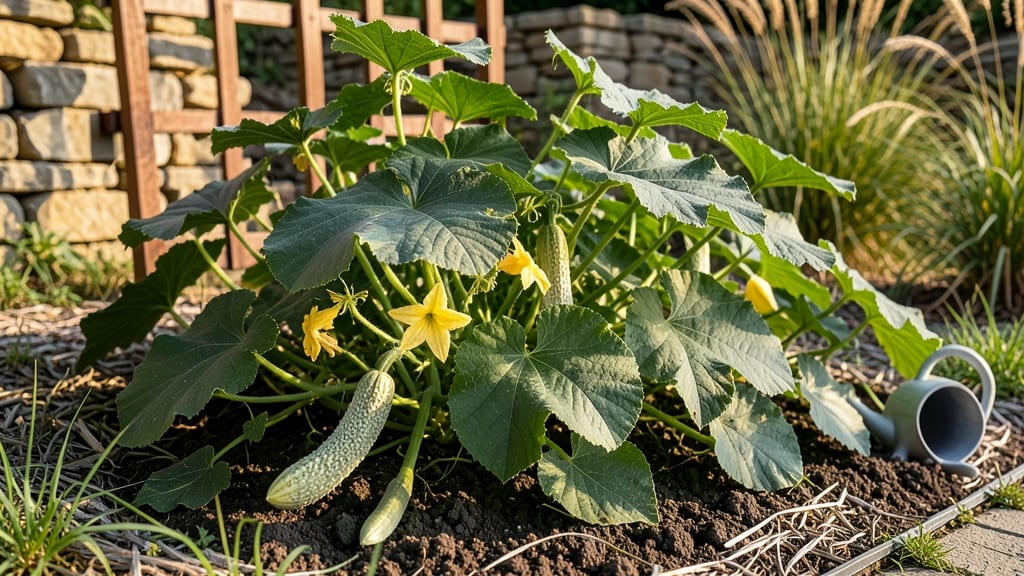
Mastering the art of lemon cucumber plant growing on your sunny balcony unlocks zesty, crisp harvests in just 60 days—no greenhouse needed. 🌿 I learned the hard way that these delicate vines need perfect conditions to thrive, but once you nail the soil, water... and sunlight, the payoff is worth it.
The first time I tasted a vine-ripened lemon cucumber straight from my balcony, I never bought store-bought again.
Start with a 5-gallon container filled with well-draining potting mix rich in compost. Lemon cucumbers crave warmth, so wait until nighttime temperatures stay above 55°F before planting.
If you're starting from seed, sow them ½ inch deep and keep the soil consistently moist until germination, which takes about 7-10 days. For faster results, transplant seedlings carefully to avoid root damage.
Place your container where it gets at least 6-8 hours of direct sunlight daily—south- or west-facing balconies work best. Water deeply when the top inch of soil feels dry, but avoid soggy roots, which lead to rot.
A balanced organic fertilizer every 2-3 weeks keeps vines vigorous and fruit production steady. Prune regularly to encourage bushier growth and better air circulation.
Harvest begins when cucumbers reach 4-6 inches long, their signature lemony flavor at its peak. The key to continuous harvests is picking frequently—overripe cucumbers signal the plant to slow production.
Watch for powdery mildew on humid days and treat with neem oil if needed. With the right care, your balcony can become a mini citrus garden without the tree!
📚 In This Guide
- What you need
- Instructions
- Tips and common mistakes
- Wrapping up and next steps
What you need
- ● Lemon cucumber seeds – 5–10 seeds (or 2–3 starter plants if buying young seedlings). Opt for heirloom or hybrid varieties like Lemon cucumber or Bush Champion for best results.
- ● Containers – 1–2 large pots (10–12 inches deep) or a 5-gallon grow bag per plant. Ensure they have drainage holes!
- ● High-quality potting mix – 5–10 gallons of well-draining, organic mix (avoid garden soil). Add perlite or vermiculite for aeration.
- ● Balcony or sunny spot – At least 6+ hours of direct sunlight daily (south or west-facing is ideal). A trellis or cage (5–6 ft tall) for vining varieties.
- ● Watering can or hose – With a gentle spray nozzle to avoid disturbing seedlings.
- ● Fertilizer – Balanced liquid fertilizer (10-10-10 or 5-5-5) or compost tea for organic growth.
- ● Seedling heat mat – If starting indoors in cool climates (70–75°F keeps seeds cozy!).
- ● Grow lights – LED or fluorescent for seedlings if natural light is limited (12–16 hours/day).
- ● pH testing kit – To check soil pH (ideal range: 6.0–6.8).
- ● Mulch (straw or shredded leaves) – Retains moisture and suppresses weeds.
- ● Pruning shears – For trimming vines or dead leaves.
- ● Plant ties or soft twine – To secure vines to trellises gently.
- ● Spray bottle – For misting seedlings or deterring pests like aphids.
Step-by-step guide to growing lemon cucumbers on your sunny balcony
Here’s how to coax those fragrant, zesty lemon cucumbers from seed to harvest in just two months—no greenhouse needed.
🌱 Step 1: Start Seeds Indoors for a Head Start
Plant your seeds 6-8 weeks before your last frost date in biodegradable pots (3-4 inches deep) filled with sterile seed-starting mix. Press each seed ½ inch deep—too shallow and they won’t germinate; too deep and they’ll struggle to break through. I like to label my pots immediately with the variety and date, because seedlings look identical until they’re a few inches tall.
Cover the pots with a humidity dome or plastic wrap and place them in a warm spot (70-75°F)—a seedling heat mat works wonders if you have one. Keep the soil evenly moist (not soggy) and expect sprouts in 5-10 days. Once they emerge, remove the dome to prevent damping-off disease. You’ll know they’re ready to harden off when they’ve developed 2-3 true leaves—that’s your signal to start acclimating them to outdoor conditions.
☀️ Step 2: Transplant to Containers with Full Sun
Choose 5-gallon containers (one per plant) with drainage holes—lemon cucumbers need room to sprawl, and their roots hate soggy soil. Fill each with a mix of 50% potting soil and 50% compost for nutrient-rich drainage. Transplant seedlings carefully, burying them up to their first true leaves to encourage strong root growth. This might seem counterintuitive, but it prevents the stems from rotting later.
Place your containers in a south-facing spot where they’ll get at least 6-8 hours of direct sunlight daily. If your balcony gets afternoon shade, supplement with a grow light for 4-5 hours. Lemon cucumbers are heavy feeders, so mix in a balanced fertilizer (10-10-10) at half-strength when you transplant. Water deeply at the base—avoid wetting the leaves to prevent fungal diseases like powdery mildew.
🌿 Step 3: Train Vines and Support Growth
As your plants grow, they’ll send out tendrils—these are their way of climbing. Install a trellis or sturdy cage (at least 5 feet tall) and gently weave the main vine through the supports. Prune side shoots (suckers) that grow in the leaf axils unless you want bushier growth—removing them directs energy to fruit production. I pinch off the first few flowers to let the plant focus on establishing stronger vines before it sets fruit.
Water deeply every 2-3 days—lemon cucumbers need consistent moisture, but their containers dry out fast in hot sun. Check soil moisture by sticking your finger 1 inch down; if it’s dry, water until it runs out the drainage holes. Mulch the soil surface with straw or shredded leaves to retain moisture and keep roots cool. You’ll start seeing tiny cucumbers 4-6 weeks after transplanting, and they’ll mature in 30-40 days from pollination.
✂️ Step 4: Harvest and Encourage Continuous Production
Pick cucumbers when they’re 3-5 inches long—any longer and they’ll turn bitter. Use pruning shears or your fingers to twist them off gently; pulling can damage the vine. Harvesting frequently (every 2-3 days) encourages the plant to produce more. I like to check my plants in the morning when the fruit is crispest and easiest to spot. Store harvested cucumbers in the fridge for up to 5 days—they won’t last long once you taste their tangy-sweet flavor!
To keep your plant productive, fertilize again with half-strength liquid fertilizer every 2 weeks once fruiting begins. If you notice yellowing leaves, it’s often a sign of nitrogen deficiency—switch to a fish emulsion for a quick boost. Deadhead spent flowers (the wilted blooms that don’t produce fruit) to redirect the plant’s energy. With proper care, a single lemon cucumber plant can yield 10-15 cucumbers over its growing season.
🌞 Step 5: Extend the Season with Simple Tricks
If your growing season is short, cover containers with frost cloth on chilly nights to protect tender vines. Lemon cucumbers thrive in warmth (70-85°F), so if temperatures dip below 50°F, growth slows dramatically. I’ve even grown them in late summer by moving pots to a sheltered corner and using row covers during cool evenings. Stop fertilizing 4 weeks before your first frost to let the plant harden off naturally.
Save seeds from your best cucumbers by letting a few overripe on the vine—this ensures the next generation will have the same zesty flavor. Dry the seeds thoroughly before storing in a paper envelope in a cool, dark place. With a little planning, you can enjoy homegrown lemon cucumbers for two growing seasons from a single packet of seeds.
Tips & tricks for perfect lemon cucumber plants on your balcony
Here's what I've learned through trial and error to ensure your lemon cucumbers thrive in containers.
Seedling Heat Control: Maintaining that 70-75°F range for your seedlings is crucial—any cooler and germination slows dramatically. I place mine on top of my fridge (which stays warm) until sprouts appear. Too warm (above 80°F) can cause leggy seedlings, so a simple heat mat with a built-in thermostat solves this perfectly. Once sprouts emerge, remove the humidity dome immediately to prevent fungal issues.
Transplanting Technique: When transplanting to your 5-gallon containers, I make two small holes in the bottom of each pot with a screwdriver before adding drainage material. This creates instant drainage while preventing soil from washing out. The 50% compost mix is non-negotiable—compost provides the microbial life these plants crave for rapid growth. I also add a handful of worm castings (optional but game-changing) to boost nutrient availability.
Sunlight Strategy: For those with limited balcony sun, I've found that LED grow lights (not cheap ones!) placed 6-8 inches above the plants for 4-5 hours in the evening can make up for morning shade. The key is positioning lights at a slight angle to prevent leggy growth. I rotate my containers daily to ensure even light exposure—this prevents one-sided growth that weakens the vines.
Harvesting Hack: The 3-5 inch harvest window is tight, so I set a phone reminder every 2-3 days to check my plants. Morning harvests yield the crispest cucumbers, but if you miss the window, don't panic—just harvest at 6 inches max. The plant will still produce, though flavor may be slightly milder. I use a small notepad to track harvest dates and plant growth habits over the season.
Pro Tips for Lemon Cucumber Plant Growing
- Here's what I've learned through trial and error to ensure your lemon cucumbers thrive in containers.
- Seedling Heat Control: Maintaining that 70-75°F range for your seedlings is crucial—any cooler and germination slows ...
- Transplanting Technique: When transplanting to your 5-gallon containers, I make two small holes in the bottom of each...
Frequently asked questions
Got questions about growing your own lemon cucumber plants? You’re not alone—here are some of the most common ones, answered for quick, stress-free gardening!
Can lemon cucumbers grow in containers?
Lemon cucumbers thrive in containers as long as the pot is at least 12 inches deep with good drainage. Use a lightweight potting mix and place the container in a spot that gets 6+ hours of sunlight daily. Just keep an eye on watering—containers dry out faster than garden beds.
How long does it take for lemon cucumbers to produce fruit?
With the right conditions, you can expect your first harvest in about 60–70 days from planting. For faster results, opt for fast-maturing varieties (like ‘Lemon’ or ‘Sweet Success’) and ensure consistent watering and warmth. Patience pays off—once they start, they’ll keep producing for weeks!
Why are my lemon cucumber leaves turning yellow?
Yellow leaves usually signal overwatering or nutrient deficiency. Check the soil—it should be moist but not soggy. If the roots are waterlogged, let the soil dry slightly between waterings. For nutrients, feed your plant with a balanced fertilizer (10-10-10) every 3–4 weeks. Yellowing can also mean pests—inspect the undersides of leaves for aphids or spider mites.
Do lemon cucumbers need trellising?
Yes! Trellising is a game-changer for lemon cucumbers. It keeps vines off the ground (reducing disease risk), improves air circulation, and makes harvesting easier. Use a strong trellis or cage and gently tie vines with soft twine as they grow. Bonus: Vertical growth saves space on your balcony!
Can I grow lemon cucumbers indoors?
Indoor growth is possible but tricky—lemon cucumbers need full sun (10+ hours/day), so place them near a south-facing window or use a grow light (12+ hours). Keep humidity high (use a tray of water or humidifier) and maintain 70–80°F temperatures. If your space is limited, try dwarf varieties like ‘Bush Champion.’
Wrapping up and next steps
Growing a lemon cucumber plant on your sunny balcony is a rewarding journey—packed with fresh, zesty flavors and the joy of homegrown success! 🌱 With just a few simple steps, you can enjoy a harvest in as little as 60 days, even in small spaces.
Whether you’re a beginner or a seasoned gardener, this plant thrives with minimal effort, offering both beauty and delicious rewards.
Ready to take the next step? Start by picking your seeds or seedlings today, and soon you’ll be savoring homemade lemon cucumber salads straight from your balcony. Happy planting! 🌞