
Companion Plants
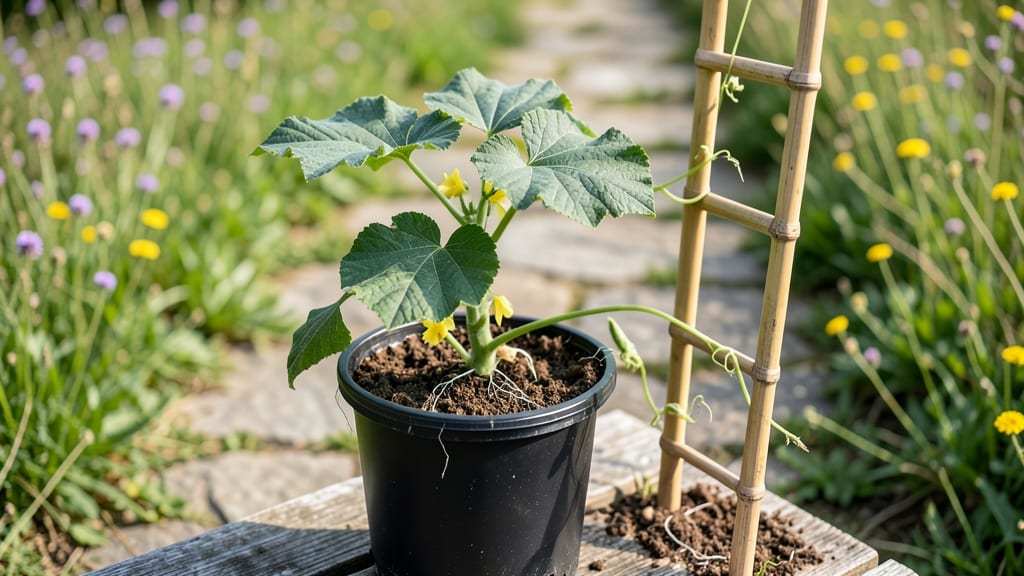
Cucumber plants in pots can outperform your expectations—if you pick the right containers and avoid these three rookie mistakes. 🌱 I learned the hard way that flimsy pots and poor drainage mean sad, wilted vines by July, but my second attempt produced 20 pounds of cucumbers in just 8 weeks.
The secret isn't fancy equipment; it's matching the plant's needs to your balcony setup.
You'll need containers at least 5 gallons per plant (bigger is better for heavy vines), lightweight potting mix with perlite, and a sturdy trellis or cage. Most people skip the trellis, and that's when cucumbers sprawl everywhere—breaking pots and blocking sunlight.
I use fabric grow bags for drainage and add a handful of compost to the soil before planting. The roots spread quickly, so don't skimp on container size.
By mid-summer, you'll be harvesting crisp cucumbers straight from your balcony, and the plants will keep producing until frost. The key is consistent watering—keep soil moist but never soggy—and a balanced fertilizer every 2 weeks.
My best yield came from pairing cucumbers with bush beans in the same pot, which naturally repels pests and adds nitrogen to the soil.
This method works for patios, fire escapes, or even sunny windowsills. The only rule? Start with healthy seedlings and give those vines room to climb. Here's how to set it up right from the beginning—no more sad, sprawling failures.
📚 In This Guide
- What you need
- Instructions
- Tips and common mistakes
- Wrapping up and next steps
What you need
- ● Containers: 5-gallon pots (or larger) with drainage holes—at least 2 per plant for climbing varieties.
- ● Potting mix: Well-draining, organic blend (avoid garden soil—it compacts!). Pro tip: Mix in perlite or coconut coir for extra aeration!
- ● Cucumber seeds/seedlings: Choose bush or compact varieties (e.g., ‘Bush Champion’ or ‘Spacemaster’) for pots. 2-3 seeds per pot (thin to 1-2 strongest plants).
- ● Support structures: Trellis, cage, or sturdy stakes (4-6 ft tall) to guide vines upward.
- ● Fertilizer: Balanced, water-soluble fertilizer (10-10-10) or compost tea for organic growth.
- ● Watering can or hose: With a gentle spray nozzle to avoid disturbing soil.
- ● Pruning shears (for trimming excess vines or yellow leaves).
- ● pH test kit (ideal pH: 6.0–6.8 for cucumbers).
- ● Mulch (straw or shredded leaves) to retain moisture.
- ● Hand trowel (for transplanting or adjusting soil).
- ● Glove (to protect from prickly vines or soil).
- ● Sunny spot! 6+ hours of direct sunlight daily (south- or west-facing balconies are ideal).
- ● Consistent watering schedule (keep soil moist but not soggy).
- ● Patience—cucumbers need 55–70 days to harvest after planting!
Instructions for planting cucumber plants in pots
Here’s how to grow vigorous cucumbers in containers—no yard needed.
🪴 Step 1: Choose the Right Containers and Drainage
Cucumbers need 5-gallon minimum containers per plant for their sprawling roots. I use fabric grow bags because they prevent root circling and allow excess water to evaporate. If using plastic or ceramic pots, ensure they’re at least 12 inches deep and have multiple drainage holes. Place a 2-inch layer of gravel or broken pottery at the bottom to prevent soil compaction and improve airflow.
Real talk: No drainage? Drill holes yourself—cucumber roots rot in soggy soil overnight. I’ve seen beginners skip this and lose entire plants within a week. Position containers where vines can spread freely—36 inches of space between pots if side-by-side.
🌱 Step 2: Fill With Lightweight, Fertile Potting Mix
Fill containers with a sterile, well-draining potting mix—never garden soil. I blend 50% premium potting mix with 30% coconut coir and 20% perlite for aeration. Add 1 cup of compost and 1 tablespoon of balanced fertilizer (10-10-10) per container to jumpstart growth. Moisten the mix until it’s damp like a wrung-out sponge—not dripping, not bone-dry.
Press the soil down lightly to remove air pockets, then create a 3-inch deep planting hole in the center. Here’s the thing—cucumbers hate disturbed roots, so I use a transplanting tool to gently slide the plant in without breaking the root ball. If planting seeds, place 2-3 seeds 1 inch deep and cover lightly.
☀️ Step 3: Plant and Provide Immediate Support
Set the cucumber plant in the hole, ensuring the top of the root ball sits level with the soil surface—burying the stem too deep causes rot. Gently firm soil around the base, then water deeply until moisture runs out the drainage holes. Immediately install a 5-foot trellis or sturdy cage—cucumbers grow 6-12 feet long if unchecked. I use galvanized wire trellises because they’re rust-resistant and last seasons.
Watch for first true leaves (the second set after the initial seed leaves) as your signal the plant has rooted. Until then, keep soil consistently moist—not soggy. If leaves yellow, you’re overwatering; if they crisp, it’s too dry. Adjust your watering schedule based on what you see, not a rigid calendar.
💧 Step 4: Water and Feed for Maximum Vine Growth
Cucumbers need 1-2 inches of water weekly, delivered at the base of the plant to avoid wetting leaves (which spreads disease). I water early morning so foliage dries by afternoon. After the first harvest, switch to liquid fertilizer (5-5-5) every 2 weeks—this boosts fruit production. Mulch with 2 inches of straw to retain moisture and suppress weeds.
Here’s where it gets fun: Train vines upward by gently tying them to the trellis with soft plant ties every 3-4 days. Prune side shoots (suckers) that form in the leaf axils—removing them directs energy to fruit production. You’ll see faster growth and heavier yields when you keep vines supported and uncluttered.
✂️ Step 5: Harvest and Prune for Continuous Production
Harvest cucumbers when they’re 6-8 inches long and firm to the touch—waiting too long makes them bitter. Use pruning shears to cut the fruit from the vine (don’t pull), then water deeply immediately after. This encourages the plant to produce more flowers and fruit. I harvest every 2-3 days during peak season to keep the plant productive.
As vines mature, prune older leaves that shade the lower plant—this improves airflow and reduces disease risk. If a vine looks exhausted by late summer, cut it back by half to rejuvenate growth. With proper care, a single container-grown cucumber can produce 20-30 pounds of fruit in a season.
Tips & tricks for thriving container-grown cucumbers
These game-changing strategies will help your balcony cucumbers flourish like they're in a full garden.
Container Size and Material: While the instructions specify 5-gallon minimum containers, I've found that 7-gallon fabric grow bags work even better for vigorous vines. The extra space prevents roots from becoming root-bound, which leads to stunted growth. If using plastic pots, opt for black containers—they absorb more heat and keep roots warmer, especially in cooler climates. Just remember to monitor moisture more closely with dark containers, as they dry out faster.
Soil Mix Optimization: The recommended 50/30/20 blend of premium potting mix, coconut coir, and perlite is excellent, but here's my upgrade: add 1/4 cup of worm castings to that 1 cup of compost. Worm castings contain beneficial microbes that boost root development and nutrient uptake. They're especially helpful when you transplant seedlings, giving them a stronger start. For even better drainage, I sift the mix through a fine mesh screen before planting to eliminate any large clumps that could compact.
Support System Secrets: That 5-foot trellis recommendation is solid, but I've had the most success with galvanized wire trellises with built-in spirals—they naturally guide vines upward without needing constant tying. For smaller spaces, consider wall-mounted trellises that attach to balconies. The key is installing support immediately after planting, even if vines aren't touching it yet. This prevents the plant from developing a sprawling habit that's hard to correct later.
Watering Wisdom: The 1-2 inches weekly guideline is perfect, but timing matters more than quantity. I've learned to water every morning at the same time—my plants have developed a rhythm where they're always thirsty by 8 AM. For the first two weeks after planting, I water every other day to help establish roots, then adjust based on weather. A simple trick: stick your finger an inch into the soil—if it feels dry at that depth, it's time to water. Overwatering is the #1 killer of container cucumbers.
Pro Tips for Planting Cucumber Plants In Pots
- These game-changing strategies will help your balcony cucumbers flourish like they're in a full garden.
- Container Size and Material: While the instructions specify 5-gallon minimum containers, I've found that 7-gallon fabric grow bags work even better for vigorous vines.
- Soil Mix Optimization: The recommended 50/30/20 blend of premium potting mix, coconut coir, and perlite is excellent, but here's my upgrade: add 1/4 cup of worm castings to that 1 cup of compost.
Frequently asked questions
Got questions about growing cucumbers in pots? You’re not alone!
Here are answers to the most common concerns—so you can grow lush, productive vines with confidence.
What’s the best pot size for cucumber plants?
Cucumbers need room to stretch! Aim for a minimum 5-gallon pot per plant (bigger is better for bush varieties). If growing multiple plants, use at least 10 gallons total and space them 12–24 inches apart. Pro tip: Add a trellis or cage to save space and improve airflow!
When is the best time to plant cucumbers in pots?
Wait until after the last frost (when soil temps hit 60°F+) and nighttime temps stay above 55°F. In warm climates, plant in early spring; in cooler areas, start late May or June. Pro tip: Use black pots to warm soil faster if your season’s short!
How often should I water potted cucumbers?
Pots dry out fast—check soil daily! Water when the top inch feels dry, aiming for 1–2 inches of water per week. Use a self-watering pot or drip system to prevent stress. Watch out: Overwatering causes root rot, so ensure pots have drainage holes!
Can I grow cucumbers in pots without a trellis?
Yes, but expect smaller yields and more sprawling vines. If skipping a trellis, choose bush varieties (like ‘Bush Champion’) and use larger pots (10+ gallons). Prune regularly to encourage upward growth. Bonus: Train vines to climb a fence or balcony railing for a space-saving hack!
Why are my potted cucumbers wilting or turning yellow?
Wilting = underwatering or heat stress; yellow leaves = overwatering, nutrient deficiency, or pests. Check roots for rot, inspect for aphids/spider mites, and adjust watering. Feed with balanced fertilizer (10-10-10) every 2–3 weeks. Quick fix: Move pots to partial shade if temps exceed 90°F!
What companion plants work well with potted cucumbers?
Pair cucumbers with basil, marigolds, or nasturtiums to repel pests and boost growth. Avoid planting near potatoes or sage—they stunt cucumber development. In small pots, radishes or lettuce make great understory companions!
Wrapping up and next steps
Growing cucumbers in pots is a rewarding way to enjoy fresh, homegrown produce—even with limited space! 🌱 With the right containers, soil, and a little care, you’ll soon be harvesting juicy cucumbers straight from your balcony. Start small, experiment with companion plants, and don’t forget to prune and water consistently. Ready to take the next step? Try planting a few seeds today and watch your green thumb grow!
Pro tip: Keep a gardening journal to track your progress—it’s the best way to refine your technique for next season! ✨