
Tools
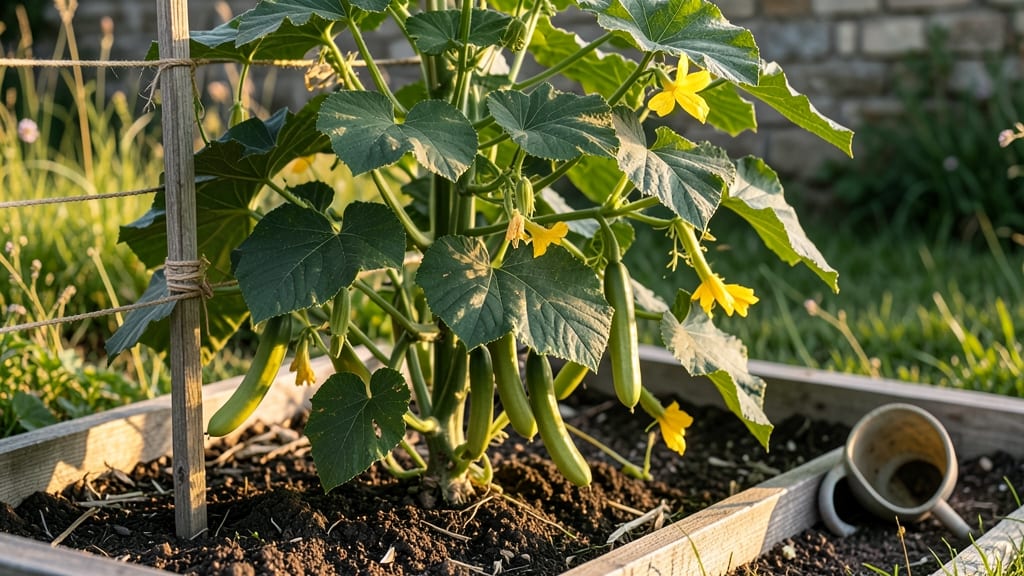
Growing cucumbers in a garden transforms a patch of soil into a vine-covered harvest machine—if you master the trellis. 🌱 I’ve turned my sprawling vines into tidy, high-yielding plants by climbing them vertically, and the difference in size and flavor is shocking.
No more cucumbers hiding under leaves or rotting on the ground.
The secret starts with the right trellis: sturdy enough to hold 20-pound fruits but simple enough to assemble in 30 minutes. Use either a wire cage, bamboo stakes, or a DIY wooden frame—just make sure it’s at least 6 feet tall to give vines room to climb.
Plant seeds near the base, then train the main stem upward as it grows.
By mid-summer, you’ll be harvesting 10-15 cucumbers per plant instead of the 3-5 you’d get from sprawling vines. The fruit stays cleaner, ripens faster, and tastes sweeter because it’s not competing with soil-borne diseases. Plus, your garden looks neater and you save space for other crops.
Works for both bush and vining varieties, and the same trellis setup lasts for years. Here’s how to set it up without the guesswork—no green thumb required.
📚 In This Guide
- What you need
- Instructions
- Tips and common mistakes
- Wrapping up and next steps
What you need
- ● Cucumber seeds or seedlings: Choose trellis-friendly varieties like ‘Straight Eight’ or ‘Marketmore 76’ (6–10 plants per 100 sq. ft. for optimal spacing).
- ● Trellis system: Vertical trellis: 6–8 ft. tall bamboo stakes (2–3 per plant) or a galvanized wire trellis (16-gauge, 4–6 ft. wide).
- ● A-frame or teepee: Sturdy wooden posts (2x2 inches, 6–7 ft. tall) + twine or nylon mesh (¼-inch mesh, 50 ft. roll).
- ● Garden soil: Well-draining, rich in compost (pH 6.0–6.8). Add 1–2 lbs. of 10-10-10 fertilizer per 10 sq. ft. at planting.
- ● Support ties: Soft plant ties or old T-shirts (cut into strips) to secure vines without damaging them.
- ○ Watering supplies: Drip irrigation kit (optional but ideal) or a watering can with a rose attachment (1–2 gallons capacity).
- ● Mulch: Straw or black plastic mulch (1–2 inches thick) to retain moisture and suppress weeds.
- ● Pruning shears: Bypass pruners (for trimming excess leaves/vines).
- ● Shade cloth: 30–50% shade fabric (if growing in hot climates).
- ● Pest control: Neem oil spray or floating row covers (for early-season protection).
Step-by-Step guide to growing cucumbers on a trellis
Here's how to transform rambling vines into bushier plants with bigger yields—using the trellis method I swear by.
🌱 Step 1: Choose the Right Trellis and Planting Site
Cucumbers need a sturdy trellis that can support 5-10 pounds per plant—I recommend a 6-foot-tall A-frame or sturdy wire grid. Install it in full sun (at least 6-8 hours daily) where soil drains well. The trellis should be 3-4 feet wide to allow airflow and prevent disease.
Dig a hole twice as wide as the root ball and 1 inch deeper than the container. Loosen the sides of the hole to encourage root spread. If planting multiple cucumbers, space them 3-4 feet apart—this gives vines room to climb without overcrowding. I always plant mine near the trellis so the first tendrils can reach upward immediately.
☀️ Step 2: Train Vines Upward and Prune Strategically
Once seedlings reach 6 inches tall, gently tie the main stem to the trellis with soft plant ties or old fabric strips—never wire, which can damage tender vines. Let 3-5 main vines grow upward before pruning side shoots. These will become your primary fruit-bearing branches.
Here's the trick: pinch off all side shoots below the first 3-5 main vines. This forces energy into upward growth and bushier lateral branches higher up. You'll see thicker stems and more fruit clusters forming along the trellis instead of sprawling on the ground. Watch for yellowing leaves at the base—this signals overcrowding, so prune aggressively to improve airflow.
💧 Step 3: Water Deeply and Fertilize for Maximum Yield
Cucumbers on trellises need 1-1.5 inches of water weekly, delivered at the base of the plant (never overhead). I water in the early morning to prevent fungal diseases like powdery mildew. Let the top 2 inches of soil dry between waterings—consistent moisture prevents bitter fruit and blossom-end rot.
Feed plants every 2-3 weeks with a balanced liquid fertilizer (10-10-10) or compost tea. You'll notice darker green leaves and faster vine growth within a week. Stop fertilizing 2 weeks before harvest to improve flavor. Mulch with 2-3 inches of straw to retain moisture and suppress weeds—this keeps soil temps steady for continuous fruiting.
✂️ Step 4: Harvest and Prune for Continuous Production
Pick cucumbers when they reach 6-8 inches long for peak flavor and to encourage more fruit. Use sharp pruners to cut stems cleanly, leaving a small nub. I harvest every 2-3 days during peak season—neglecting this step slows production and leads to bitter, seedy fruit.
After the first harvest wave, prune back any leggy growth that's past the trellis top. This redirects energy to new lateral branches. If vines show signs of stress (yellowing, curling leaves), remove all affected leaves immediately to prevent disease spread. A healthy trellis-grown cucumber plant can produce 20-30 pounds of fruit per season—double what you'd get from sprawling vines.
Tips & tricks for bushier cucumber plants with trellis support
These game-changing insights will help you transform your cucumber garden from sprawling messes into productive, trellis-climbing powerhouses.
Trellis Stability: For the sturdiest setup, anchor your 6-foot-tall trellis with 4 ground stakes at the base—one at each corner. I've seen flimsy trellises collapse under 5-pound cucumbers, so don't skimp on support. If using a wire grid, attach it to sturdy T-posts rather than flimsy stakes. The goal is to create a structure that can handle 20-30 pounds per plant at peak harvest without wobbling.
Pruning Precision: When you reach Step 2 and need to pinch off side shoots, focus on removing only those below your first 3-5 main vines. This creates a "bushy" effect higher up where sunlight is more abundant. I've found that allowing just one extra vine beyond five can reduce your harvest by 20% per plant—those extra vines compete for nutrients instead of producing fruit. Use your fingernail to gently pinch shoots rather than cutting with scissors to avoid damaging the main stem.
Watering Wisdom: The 1-1.5 inches weekly guideline assumes consistent rainfall isn't happening. To check moisture levels, stick your finger 2 inches into the soil—that's where the roots are actively growing. If it feels dry, water deeply until moisture reaches 6 inches down. I've seen cucumbers develop bitter flavors when soil moisture fluctuates, so use a drip irrigation system on a timer if you're prone to inconsistent watering. Early morning watering isn't just about disease prevention—it gives leaves time to dry completely before evening dew sets in.
Fertilizer Timing: The 2-3 week feeding schedule works best when you alternate between liquid fertilizer and compost tea. I've noticed that plants respond better to the 10-10-10 fertilizer right after a heavy harvest (when they're showing signs of nutrient depletion) and switch to compost tea when new vines are emerging. Stopping fertilization 2 weeks before harvest isn't just about flavor—it allows the plant to redirect energy from leaf production to fruit maturation, resulting in sweeter cucumbers.
Pro Tips for Cucumber In A Garden
- These game-changing insights will help you transform your cucumber garden from sprawling messes into productive, trellis-climbing powerhouses.
- Trellis Stability: For the sturdiest setup, anchor your 6-foot-tall trellis with 4 ground stakes at the base—one at each corner.
- Pruning Precision: When you reach Step 2 and need to pinch off side shoots, focus on removing only those below your first 3-5 main vines.
Frequently asked questions
Got questions about growing cucumbers in your garden? You’re not alone!
Here are answers to the most common queries to help you cultivate thriving vines and a bountiful harvest.
When is the best time to plant cucumbers in a garden?
Plant cucumbers after the last frost when soil temperatures reach at least 60°F (15°C). In warmer climates, start in early spring; in cooler zones, wait until late spring or early summer. For extended harvests, consider successive planting every 2–3 weeks.
Do cucumbers need a trellis, or can they grow on the ground?
While cucumbers can grow on the ground, trellising offers major benefits: better air circulation (reduces disease), cleaner fruit (less soil contact), and bigger yields (vines focus energy upward). Bush varieties may tolerate ground growth, but vining types thrive with support!
Why are my cucumber leaves turning yellow?
Yellow leaves often signal overwatering, nutrient deficiency, or disease. Check the soil—it should be moist but not soggy. Yellowing on older leaves? Likely nitrogen deficiency (add compost or a balanced fertilizer). Yellowing with spots? Powdery mildew—improve airflow and spray neem oil preventatively.
How do I know when cucumbers are ready to harvest?
Harvest cucumbers when they’re firm, bright green, and 6–8 inches long (varies by variety). For slicing types, pick when small; for pickling, wait until 2–3 inches. Pro tip: Use a sharp knife or twist gently to avoid damaging vines. Harvest frequently to encourage more production!
What pests should I watch for in cucumber gardens?
Common cucumber pests include:
- Cucumber beetles: Strip yellow stripes from leaves; use row covers early in the season.
- Aphids: Cluster on new growth; blast off with water or introduce ladybugs.
- Squash bugs: Check undersides of leaves; handpick or use diatomaceous earth.
- Spider mites: Tiny red dots on leaves; increase humidity with mulch.
Wrapping up and next steps
Growing cucumbers on a trellis isn’t just about saving space—it’s your secret weapon for healthier, more abundant harvests! 🌱 By mastering the right techniques, you’ll enjoy bushier vines, fewer pests, and sweeter cucumbers all season long.
Whether you’re a beginner or a seasoned gardener, these trellis tips will transform your garden into a thriving cucumber paradise.
Ready to take your harvest to the next level? Start small—try one trellis this season, experiment with varieties, and watch your confidence (and cucumbers!) grow. Happy gardening! 🌿