
Planting
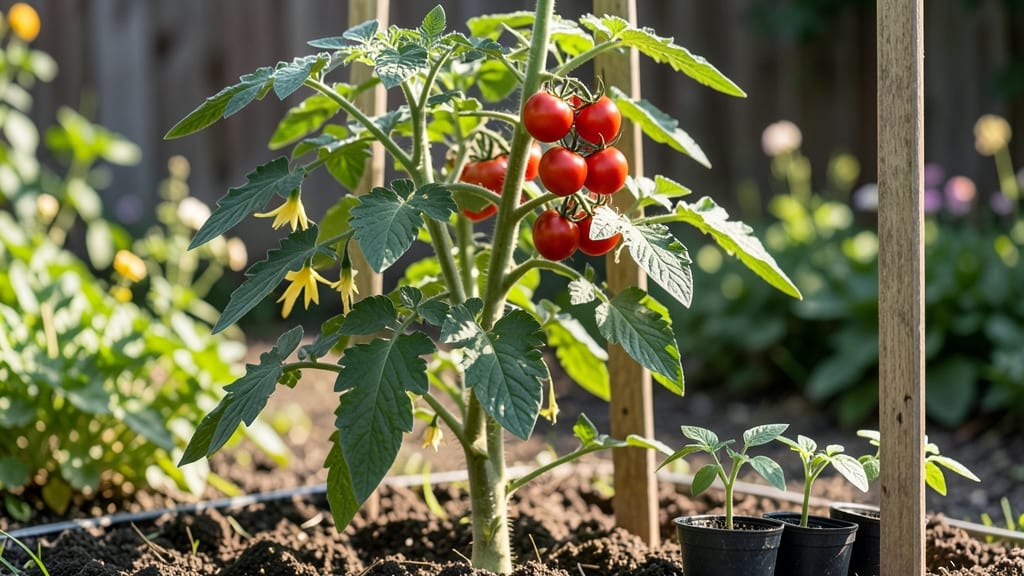
Planting tomatoes next to cucumbers isn’t just clever—it’s a time-tested duo that boosts yields and keeps pests at bay. 🌱 I’ve watched my tomato plants thrive with fewer aphids and my cucumbers sprawl happily without competing for every inch of space.
The secret lies in how these two vining plants complement each other’s growth habits, from shared nutrients to natural pest deterrence. The magic happens when you pair determinate tomatoes (bush varieties) with bush cucumbers, keeping both plants within 3–4 feet of each other.
They share similar soil needs—rich, well-draining loam with plenty of compost—and both love full sun (6–8 hours daily). Just avoid planting near indeterminate tomatoes, which can get too tall and shade out cucumbers over time.
By mid-summer, you’ll see heavier tomato clusters and cucumbers producing earlier and more consistently. The tomato foliage even acts as a living trellis for cucumbers, reducing sprawl and improving air circulation. Plus, the strong tomato scent naturally repels cucumber beetles, a common enemy of both plants.
This combo works in raised beds, containers, or in-ground gardens—just adjust spacing if your garden is small. The key is balance: give each plant enough room to breathe while letting them lean on each other’s strengths. Ready to try it?
📚 In This Guide
- What you need
- Instructions
- Tips and common mistakes
- Wrapping up and next steps
What you need
- ● Tomato plants: 2–4 healthy seedlings (determinate or indeterminate varieties, like 'Cherry Tom' or 'Roma').
- ● Cucumber plants: 2–3 seedlings (bush or vining types, like 'Straight Eight' or 'Lemon Cucumber').
- ● Garden soil: Well-draining, nutrient-rich soil (pH 6.0–7.0). Amend with compost if needed.
- ● Container or garden bed: For containers: 5-gallon pots or larger (at least 12" deep for tomatoes, 10" for cucumbers).
- ● For in-ground: A raised bed or sunny spot (6+ hours of sunlight daily).
- ● Organic fertilizer: Balanced 10-10-10 or tomato/cucumber-specific fertilizer (follow package instructions).
- ● Mulch: Straw, wood chips, or shredded leaves (2–3 inches thick).
- ● Watering can or hose: With a gentle spray nozzle.
- ● Garden stakes or cages: 6–8 ft tall for indeterminate tomatoes; 4–5 ft for determinate types.
- ○ Trellis or netting (optional but recommended): For cucumbers to save space and improve air circulation.
- ● Companion plants: Basil, marigolds, or nasturtiums to repel pests and boost growth.
- ● Epsom salt: 1 tbsp per plant (every 2 weeks) for magnesium boost.
- ● Neem oil or insecticidal soap: For organic pest control.
- ● pH test kit: To monitor soil acidity.
- ● Garden gloves and knee pads: For comfort and hygiene.
Step-by-step instructions for planting tomatoes and cucumbers together
This proven companion planting method boosts yields and deters pests naturally.
🌱 Step 1: Choose Compatible Varieties and Planting Spacing
Select determinate tomato varieties (like 'Roma' or 'Celebrity') that stay compact—these grow well alongside cucumbers without shading them out. Avoid indeterminate types that sprawl aggressively. For 4 plants, allocate a 4-foot by 4-foot area—this gives each plant 18-24 inches of space while keeping them close enough to benefit from each other.
Cucumbers need trellis support to climb vertically, so install 5-foot tall stakes or wire trellises at planting. Space cucumber seeds 12 inches apart in their designated rows, leaving 2 feet between cucumber and tomato plants. This spacing prevents competition while allowing their foliage to intermingle slightly for pest confusion.
☀️ Step 2: Prepare the Soil and Plant in Optimal Conditions
Amend the soil with 2-3 inches of compost mixed into the top 6 inches—tomatoes and cucumbers both thrive in well-draining, nutrient-rich soil with a pH of 6.0-6.8. Work in a balanced 10-10-10 fertilizer at planting time to support early growth. Avoid fresh manure, which can burn tender roots.
Plant tomato seedlings first, burying them up to their first true leaves to encourage strong root development. Drop cucumber seeds directly into the soil ½ inch deep, spacing them as noted. Water deeply immediately after planting to settle the soil and remove air pockets around roots. Mulch with 2 inches of straw to retain moisture and suppress weeds.
💧 Step 3: Water and Maintain Consistent Moisture
Both tomatoes and cucumbers need 1-1.5 inches of water per week, delivered at the base of plants to avoid wetting foliage (which spreads disease). Use drip irrigation or soaker hoses for precision—this keeps the soil evenly moist but not soggy. Check moisture by sticking your finger 1 inch deep; if it feels dry, water again.
Here's the thing—avoid overhead watering after plants flower. Wet blossoms lead to blossom-end rot in tomatoes and powdery mildew in cucumbers. Water in the early morning so foliage dries quickly. You'll see healthier vines and higher yields when moisture is consistent.
✂️ Step 4: Prune and Train for Maximum Yield
Prune suckers (the small shoots that form in the junction between the stem and branches) from tomato plants weekly to direct energy toward fruit production. Remove lower leaves up to 12 inches from the ground to improve airflow and reduce disease risk. For cucumbers, train vines along the trellis, tying them with soft plant ties every 6-8 inches as they grow.
When cucumbers produce side shoots (small vines growing from leaf axils), pinch them off to focus the plant's energy on fruit-bearing vines. This simple pruning routine prevents overcrowding and ensures larger, straighter cucumbers. You'll notice fewer yellowing leaves and more consistent fruit set when you maintain this discipline.
🪴 Step 5: Monitor and Protect From Common Pests
This companion pairing naturally deters aphids, spider mites, and cucumber beetles—the cucumbers' strong scent masks tomato plants, and vice versa. However, watch for hornworms, which love both. Handpick them daily at dawn when they're sluggish, or introduce parasitic wasps for organic control.
If you spot early signs of disease (like yellowing leaves or white powder), remove affected foliage immediately and treat with neem oil spray. The key is prevention: water at the base, avoid overhead sprinklers, and rotate crops next season to break pest cycles. With this setup, you'll harvest sweet tomatoes and crisp cucumbers simultaneously—peak flavor and efficiency.
Tips & tricks for thriving tomato-cucumber companion plantings
Here's what nobody tells you about maximizing this dynamic duo's potential—these tricks make all the difference.
Soil Prep Secret: The 2-3 inches of compost mixed into the top 6 inches of soil isn't just about nutrients—it's about creating the perfect moisture balance. I recommend adding a handful of worm castings to this mix for an extra boost of microbial activity. These beneficial organisms help break down organic matter faster, giving your plants an immediate energy source. The key is working them in gently to avoid disturbing the roots of your newly planted seedlings.
Trellis Training Tip: When training cucumber vines, don't just tie them every 6-8 inches—create a slight upward curve at each tie point. This encourages the vines to grow toward the sun while preventing fruit from touching the soil (which reduces rot risk). I use soft fabric ties because they won't cut into the vines as they thicken. Pro tip: Add a small piece of cardboard under each tie to protect tender stems from abrasion against the trellis wire.
Watering Wisdom: The 1-1.5 inches of water per week guideline works perfectly in most climates, but here's the catch: morning watering is non-negotiable. I set up my drip irrigation system to deliver water between 6-8 AM when evaporation rates are lowest. If you must hand-water, do it at the base using a watering wand with a gentle spray nozzle—this prevents soil compaction while delivering water exactly where the roots need it most.
Pest Prevention: While this pairing deters many pests, hornworms are the sneaky exception. I've found that planting a few dill or fennel plants nearby (optional but effective) attracts parasitic wasps that naturally control hornworm populations. The wasps lay their eggs on the hornworms, and the larvae that hatch will devour them. This creates a natural pest control loop that requires zero effort from you after the initial planting.
Pro Tips for Plant Tomatoes Next To Cucumbers
- Here's what nobody tells you about maximizing this dynamic duo's potential—these tricks make all the difference.
- Soil Prep Secret: The 2-3 inches of compost mixed into the top 6 inches of soil isn't just about nutrients—it's about creating the perfect moisture balance.
- Trellis Training Tip: When training cucumber vines, don't just tie them every 6-8 inches—create a slight upward curve at each tie point.
Frequently asked questions
Why should I plant tomatoes and cucumbers together?
Planting tomatoes and cucumbers together is a classic companion pairing because they support each other’s growth. Tomatoes act as natural trellises for cucumbers, saving space and improving air circulation, while cucumbers help deter pests like aphids that may target tomatoes. Plus, their shallow and deep root systems complement each other perfectly!
What’s the best time to plant them together?
Start by planting tomatoes after the last frost date in your area, as they’re frost-sensitive. Sow cucumber seeds directly into the soil 2–3 weeks later, once the soil temperature reaches at least 60°F (15°C). This staggered approach ensures both plants thrive without competing for resources early on.
Will planting tomatoes and cucumbers together attract more pests?
Not necessarily! While they share some pests (like hornworms), their companion benefits often outweigh the risks. Tomatoes can repel cucumber beetles, and cucumbers may deter tomato fruitworms. Monitor plants regularly and use row covers or neem oil if pests become an issue.
Can I plant other vegetables with tomatoes instead of cucumbers?
Tomatoes pair well with basil, onions, carrots, lettuce, and marigolds. Basil, for example, improves tomato flavor and deters pests, while onions repel aphids. Cucumbers are just one great option—experiment to find what works best in your garden!
How do I troubleshoot if my tomatoes or cucumbers aren’t thriving together?
Check for overcrowding (they need 18–24 inches apart) or nutrient competition. Add compost or balanced fertilizer to the soil, and ensure both plants get 6+ hours of sunlight daily. If diseases like blight appear, space plants further apart for better airflow and remove affected leaves promptly.
Wrapping up and next steps
Planting tomatoes next to cucumbers isn’t just smart gardening—it’s a win-win for both plants! 🌱 Their companion benefits—like pest control, space efficiency, and shared nutrients—make this pairing a must-try for any home gardener.
Whether you’re a seasoned green thumb or just starting, this dynamic duo could boost your harvest and simplify your garden layout.
Ready to give it a shot? Start small—try a single patch this season—and observe how your tomatoes and cucumbers thrive together. Happy gardening! 🌿