
Vegetables
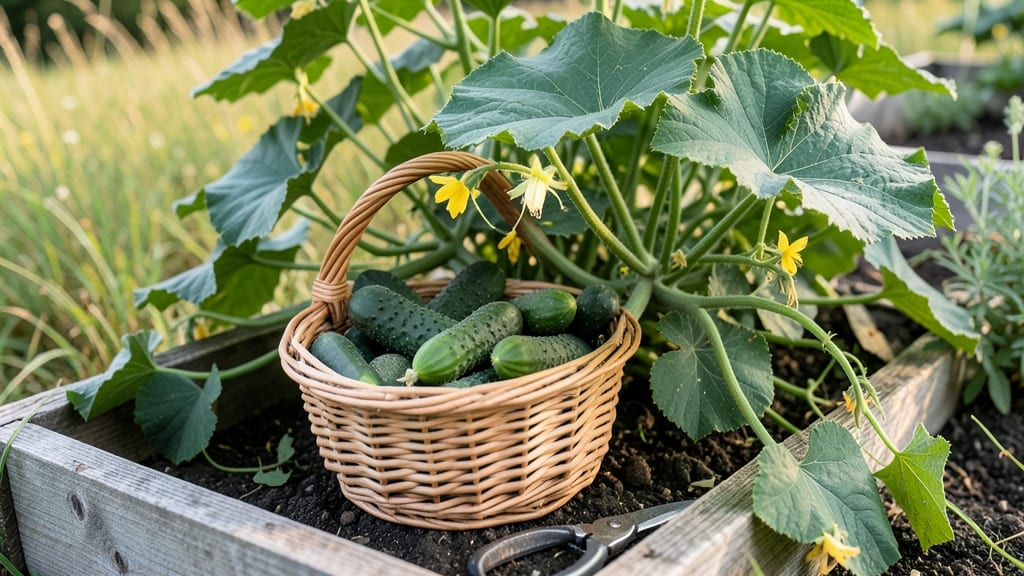
Your pickling cucumber leaves won’t just survive—they’ll thrive in jars all winter long. 🌿 The secret lies in harvesting at the right stage and preserving their crisp texture with a zesty brine that keeps pests and diseases at bay.
Most gardeners toss these leaves when they spot aphids or yellowing, but with the right care, you can turn them into tangy, crunchy treats that outlast store-bought pickles.
Start by pinching off young leaves (3–4 inches long) before they harden—this prevents powdery mildew and bacterial spot from taking hold. Aphids? Blast them off with water first, then apply neem oil to deter future infestations.
Overwatering or nutrient deficiency (like yellowing between veins) means your plants are stressed, making leaves bitter or mushy—fix it with balanced fertilizer and well-draining soil before harvesting.
Once harvested, the brine magic begins: a mix of vinegar, salt, and spices locks in freshness while adding bold flavor. Your jars will stay crisp for months, with no slimy texture or off smells—the exact opposite of store-bought disappointments.
The key is timing: harvest in the morning when leaves are hydrated, and process them within 24 hours to avoid spoilage.
This method works for any cucumber variety (even those prone to pests) and adapts to small batches or large harvests. Whether you’re dealing with aphid outbreaks or just want leaves that stay perfect for pickling, these steps ensure edible, flavorful results every time. Ready to preserve that garden bounty?
The Hidden Triggers Behind Wilting Leaves
When your cucumber leaves start turning yellow, wilting, or developing unsightly spots before they even hit the brine, it’s usually a sign that something went wrong in the growing or prep process.
Understanding these causes can help you salvage your harvest—or prevent the issue entirely. Let’s break down the science behind why cucumber leaves lose their vibrancy before pickling.
Cucumber plants thrive on consistent moisture, but too much water—especially if the soil doesn’t drain well—can drown the roots. When roots suffocate from excess water, they struggle to absorb nutrients and oxygen, leading to:
- Yellowing leaves (chlorosis): A lack of oxygen triggers the plant to break down chlorophyll, causing leaves to fade.
- Soft, mushy stems: Waterlogged soil creates anaerobic conditions, promoting fungal growth like Pythium, which rots roots and stems.
- Premature leaf drop: The plant sheds stressed leaves to conserve energy, leaving you with fewer healthy leaves for pickling.
Actionable fix: Ensure pots or garden beds have drainage holes and water only when the top inch of soil feels dry. Use well-draining soil mixes with perlite or sand.
Cucumbers are heat-sensitive, and sudden exposure to intense sunlight—especially after cool nights—can cause:
- Sunscorch: Leaves develop pale, dry patches where chlorophyll breaks down from UV stress.
- Curling or crisping edges: High temperatures force the plant to lose water faster than it can absorb, leading to dehydration.
- Bitterness in leaves: Heat stress triggers the production of cucurbitacins, compounds that make leaves taste harsh (not ideal for pickling!).
Actionable fix: Provide afternoon shade (especially in hot climates) and mulch around plants to retain moisture. Harvest leaves in the morning when temperatures are cooler.
Cucumber leaves are prime targets for pathogens like downy mildew, powdery mildew, or bacterial leaf spot. These invaders thrive in warm, humid conditions and cause:
- Yellow or brown spots with fuzzy growth (downy mildew) or white powdery coatings (powdery mildew).
- Water-soaked lesions that turn brown and crusty (bacterial infections).
- Leaf distortion or premature death as the plant diverts energy to fight the infection.
Actionable fix: Space plants for airflow, avoid overhead watering, and apply copper-based fungicides or neem oil preventatively. Remove infected leaves immediately to stop spread.
Cucumber leaves rely on a balanced diet of nitrogen, potassium, and magnesium. A deficiency in these nutrients leads to:
| Nutrient | Symptom | Cause |
|---|---|---|
| Nitrogen (N) | Pale yellow leaves (starting with older leaves) | Poor soil or over-fertilizing with phosphorus/potassium without nitrogen. |
| Potassium (K) | Yellowing edges or "scorched" leaf tips | Drought stress, leaching from overwatering, or sandy soil. |
| Magnesium (Mg) | Interveinal yellowing (yellow between veins, green veins) | Compacted or acidic soil, or excessive calcium. |
Actionable fix: Test soil pH (aim for 6.0–6.8) and amend with compost or a balanced fertilizer (e.g., 10-10-10). For magnesium, use Epsom salt (1 tbsp per gallon of water) as a foliar spray.
Even after picking, cucumber leaves can wilt if mishandled. Physical damage or improper storage triggers:
- Enzymatic browning: When cells break (e.g., from rough cutting), enzymes react with oxygen, turning leaves brown.
- Moisture loss: Leaving leaves exposed to air causes them to crisp or shrivel before brining.
- Bacterial growth: Damp leaves stored in sealed containers create the perfect breeding ground for spoilage.
Actionable fix: Harvest leaves gently with scissors, rinse in ice water to slow enzyme activity, and submerge in brine within 1 hour. Use airtight jars to preserve crispness.
Fixing Common Pickling Pitfalls
When preserving cucumber leaves in brine, a few common issues can turn your zesty project sour—literally. Here’s how to diagnose and solve them with practical, step-by-step fixes, plus tips to keep your pickled leaves crisp and vibrant every time.
Cause: Over-softening from prolonged soaking, bacterial growth, or improper acidity. Fix:
- Boost the Brine: Increase vinegar to 5% of total liquid (e.g., 5 tbsp per quart) to inhibit mold/bacteria. Use white vinegar (5% acidity) or apple cider vinegar for flavor.
- Add a Preservative: Toss in 1 tsp pickling salt or citric acid per quart of brine. Stir well before submerging leaves.
- Shorten Soak Time: Limit leaves to 3–5 days max in brine. For longer storage, ferment briefly (24–48 hours) before full pickling.
Prevention Tips: ✔ Use fresh, firm leaves—discard wilted or yellowed ones before pickling. ✔ Pack leaves tightly in jars to minimize air exposure. ✔ Store in a cool, dark place (50–70°F) to slow spoilage.
Cause: Under-softening from insufficient time or high acidity. Fix:
- Extend Brine Time: Let leaves soak 5–7 days for ideal tenderness. Check daily—taste-test a small piece!
- Reduce Vinegar Slightly: Drop to 3–4% acidity (e.g., 3 tbsp per quart) if leaves feel rubbery.
- Add a Tenderizer: Simmer leaves in brine with 1 bay leaf or 2 cloves for 10 minutes before cooling.
Prevention Tips: 💡 Parboil leaves for 2 minutes before pickling to jumpstart softening. 🌡️ Use room-temperature brine—cold liquid can slow absorption.
Cause: Poor hygiene, low acidity, or oxygen exposure. Fix:
- Scrub Jars Thoroughly: Wash jars/lids with hot, soapy water and rinse with boiling water before use.
- Use a Mold Inhibitor: Add ½ tsp potassium sorbate (food-grade) per quart of brine.
- Submerge Completely: Ensure leaves are fully covered by brine (add a small weight if needed).
Prevention Tips: ✨ Work in a clean space—sanitize counters and tools with vinegar or bleach solution. ✨ Check leaves weekly—discard any jars with moldy spots immediately.
Cause: Over-diluted vinegar or lack of flavor balance. Fix:
- Replenish the Brine: Strain old brine, mix with fresh vinegar (1:1 ratio), and pour back over leaves.
- Boost Flavor: Add 1 tsp sugar, 1 tsp mustard seeds, or 2 garlic cloves per quart for depth.
- Let It Rest: Flavor develops over 1–2 weeks—wait before tasting!
Prevention Tips: 🎯 Use filtered or boiled water to avoid off-flavors. 🔪 Stir spices into hot brine before cooling to maximize infusion.
Cause: Oxidation from air exposure or overhandling. Fix:
- Rinse in Cold Water: Before pickling, dip leaves in ice water to halt browning.
- Add Lemon Juice: Mix 1 tbsp lemon juice per quart of brine to brighten color.
- Pack Leaves Underwater: Use a jar funnel to submerge leaves while pouring brine to minimize air bubbles.
Prevention Tips: 💡 Blanch leaves for 30 seconds in boiling water, then ice bath to preserve color. 🥗 Use within 1 month for best texture/color—older leaves may darken.
For foolproof results, try this hybrid method:
- Ferment lightly: Pack leaves in a jar with 1% salt brine (10g salt/L water) for 24 hours.
- Pickle fully: Drain, rinse, then submerge in vinegar brine (5% acidity) for 3–5 days.
This combo kills bacteria and preserves crispness! 🌿✨
Frequently asked questions
Can I use cucumber leaves from any variety for pickling?
For best results, stick to young, tender leaves from pickling cucumber varieties like 'Boston Pickling' or 'National Pickling'. Mature leaves or those from slicing varieties can be tougher and more bitter. Harvest leaves when they're 3–4 inches long for ideal texture and flavor.
How do I know if cucumber leaves are safe to pickle?
Look for leaves that are bright green, firm, and free of holes or spots. Avoid leaves with yellowing, wilting, or signs of pests like aphids. If you spot any damage, wash leaves thoroughly in ice water before pickling to remove contaminants.
What’s the best vinegar ratio for crisp pickled cucumber leaves?
Use a 5% acidity vinegar (like white or apple cider vinegar) at a ratio of 1 part vinegar to 3 parts water. For extra crispness, add 1 tbsp lemon juice per quart of brine. This balance preserves texture while preventing spoilage.
Why did my pickled cucumber leaves turn brown?
Browning usually happens from oxidation or overhandling. To prevent it, rinse leaves in ice water before pickling and pack them underwater in jars. If browning occurs, add 1 tsp citric acid per quart of brine to brighten the color.
Can I reuse brine from pickled cucumber leaves?
Yes, but only if it’s still acidic and clear. Strain out the leaves, mix the old brine with fresh vinegar (1:1 ratio), and reuse for another batch. Avoid reusing if the brine smells off or has mold—always start fresh for safety.