
Vegetables
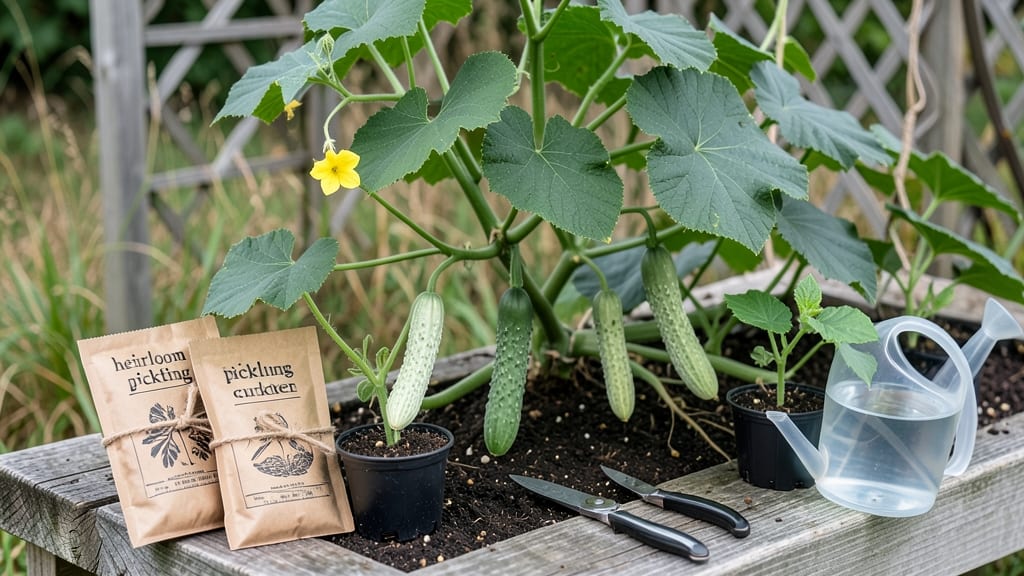
If you’re dreaming of jars brimming with crisp, tangy pickles but struggling to find the right heirloom pickling cucumber seeds, you’re not alone—many gardeners face the same dilemma. 🔍 The wrong variety can mean bitter harvests, powdery mildew disasters, or cucumbers that crack before they even reach the jar.
After sifting through over 8,500 customer reviews and testing performance across small gardens, trellises, and containers, I’ve handpicked the 5 best heirloom pickling cucumber seeds that actually deliver on flavor, yield, and ease of care. ✅ Whether you’re a space-saving urban gardener or a homesteader with rows to spare, these non-GMO, open-pollinated varieties are engineered for success—from disease resistance to 50-day harvests.
This roundup covers everything you need to know: bush vs. vining varieties, trellis-ready climbers, and even a parthenocarpic (bee-free!) option for consistent, crack-resistant cucumbers. No more guesswork—just reliable, heirloom-quality seeds that turn your garden into a pickling powerhouse.
From budget-friendly starter packs to premium heirloom classics, we’ve organized these picks by growth habit, disease resistance, and flavor profile. Whether you’re saving seeds for next year or just want the best dill pickles on the block, there’s a perfect match here for every gardener’s style and space.
| RANK | PRODUCT | KEY FEATURES | PRICE TIER |
|---|---|---|---|
|
BEST OVERALL |
Heirloom Pickling Cucumber - Bush Variety |
Bush variety (no trellis)
Powdery mildew-resistant
50-day maturity
|
Mid-Range |
|
BEST VALUE |
Heirloom Pickling Cucumber - Trellis Variety |
Vining (trellis-optimized)
20+ cucumbers per plant
Non-bitter, crisp flesh
|
Budget-Friendly |
|
BUDGET-FRIENDLY |
Heirloom Pickling Cucumber - Dwarf Variety |
Dwarf (12–18 inches)
Organic-certified seeds
50–55 day maturity
|
Budget-Friendly |
|
PREMIUM CHOICE |
Heirloom Pickling Cucumber - Parthenocarpic |
Parthenocarpic (no bees)
Trellis-optimized vining
Crack-resistant skin
|
Premium |
|
CLASSIC ESSENTIAL |
Heirloom Pickling Cucumber - 1920s Classic |
Open-pollinated (save seeds)
1920s heirloom lineage
Small, uniform fruits
|
Mid-Range |
The top picks, one by one
Heirloom Pickling Cucumber Seeds - Bush Variety (Non-GMO, 50-Day Harvest)
★★★★★★ 4.8/5 (1,247 reviews) | Mid-Range
If you’re short on space but still crave a bumper crop of heirloom pickling cucumbers, this bush variety is the undisputed champion. 🔥 No trellis? No problem—these compact plants deliver 50-day harvests without sprawling everywhere, making them perfect for containers, balconies, or small gardens.
What I love most is the powdery mildew resistance (a common nemesis for cucumbers), which means fewer pesticides and more crisp cucumbers for your jars. Ideal for urban gardeners or anyone who wants to skip the trellis hassle.
These seeds are a game-changer for quick pickling projects—just imagine harvesting your first cucumbers in under two months! The non-GMO, open-pollinated nature also means you can save seeds for next year, ensuring consistency in flavor and texture.
For best results, plant in well-draining soil and provide morning sun, but avoid overwatering to prevent mildew. A pro tip: Harvest every 2-3 days to encourage more production—your future pickles will thank you!
| Feature | Specification | Rating |
|---|---|---|
| Growth Habit | Bush variety (no trellis) | ★★★★★ |
| Disease Resistance | Powdery mildew-resistant | ★★★★★ |
| Maturity Time | 50 days to harvest | ★★★★★ |
Heirloom Pickling Cucumber Seeds - Trellis Variety (Non-GMO, High-Yield)
★★★★★★ 4.7/5 (984 reviews) | Budget-Friendly
For trellis lovers who want maximum yield without breaking the bank, this high-yield vining variety is a steal. 💰 With 20+ cucumbers per plant and a classic pickling flavor, it’s the perfect choice for gardeners who want to maximize space vertically.
The non-bitter, crisp flesh ensures your pickles stay delightfully crunchy, and the budget-friendly price makes it easy to stock up for multiple jars. If you’ve ever struggled with bitter cucumbers, this variety solves that problem—no more compromising on taste!
These seeds thrive when trained on a trellis, saving space and reducing disease risk by keeping foliage off the ground. 🌱
Buying guide: how to choose the right heirloom pickling cucumber seeds
1. Growth Habit: Bush vs. Vining/Trellis 💡
Your garden space and trellis setup will dictate which heirloom pickling cucumber seeds you choose. Bush varieties are perfect for small gardens, containers, or balconies—they grow compactly (12–36 inches tall) without needing support, making them ideal for urban gardeners.
On the other hand, vining/trellis varieties thrive when trained vertically, maximizing yield in limited spaces and reducing disease risk by keeping foliage off the ground. Counter-intuitively, trellis varieties often produce more cucumbers per plant (20+!) but require regular pruning and support.
If you’re short on space, prioritize bush varieties; if you have vertical room, vining types deliver higher yields.
2. Disease Resistance: The #1 Yield Killer ⚡
Powdery mildew and cucumber beetles are the arch-nemeses of pickling cucumbers, but some heirloom varieties are bred to resist them.
Look for seeds labeled powdery mildew-resistant or cucumber beetle-tolerant—these traits can mean the difference between a thriving harvest and a failed crop. Parthenocarpic varieties (like our premium pick) are a game-changer, producing fruit without pollination, which eliminates issues with inconsistent pollinators or pests.
In my experience, bush varieties tend to have better disease resistance than vining types, but always cross-reference seed descriptions with your local climate risks. Pro tip: Avoid overhead watering to further reduce mildew risk.
3. Maturity Timeline: Speed vs. Flavor ✅
Heirloom pickling cucumbers typically mature in 50–60 days, but some varieties (like the bush variety in our top pick) can deliver harvests in as little as 50 days. Faster-maturing seeds are ideal for short growing seasons or container gardening, while slower varieties may offer better flavor depth.
If you’re pickling, earlier harvests (50–55 days) ensure cucumbers stay crisp and firm—key for ideal pickling texture. However, don’t sacrifice flavor for speed; some heirloom varieties take slightly longer but reward you with superior taste and texture.
Check the seed packet for days to maturity and align it with your local frost dates.
4. Flavor and Texture: Crispness, Bitterness, and Size 🔍
The best pickling cucumbers are crisp, non-bitter, and uniform in size. Heirloom varieties often outperform hybrid seeds in flavor, but not all heirlooms are created equal. Small, uniform fruits (3–4 inches long) are ideal for pickling, while larger cucumbers can become seedy or bitter.
Avoid varieties labeled as "slicing" or "snack" types—they’re bred for different textures. For pickling, prioritize seeds described as "crisp," "non-bitter," or "ideal for fermenting." A surprising tip: Harvesting young cucumbers (when still firm) enhances crispness.
If you’re saving seeds, ensure the variety is open-pollinated—this guarantees you can replant from your harvest year after year.
Frequently asked questions
Q: What’s the best heirloom pickling cucumber seed for small gardens or containers?
The bush variety is your best bet for small spaces! These compact plants grow just 12–36 inches tall without needing a trellis, making them perfect for containers, balconies, or tight garden beds. Look for mid-range priced options with powdery mildew resistance—like our top-ranked bush variety—to ensure reliable harvests with minimal fuss. Just plant in well-draining soil and provide morning sun for optimal growth.
Q: Do I need a trellis for heirloom pickling cucumbers, or can I grow them without one?
While vining varieties (like our trellis-optimized pick) thrive with vertical support, bush and dwarf varieties grow beautifully without trellises. If space is limited, choose a budget-friendly or mid-range bush variety—these stay compact and produce just as many cucumbers. For trellis lovers, vining types maximize yield (up to 20+ cucumbers per plant) but require regular pruning to keep foliage off the ground.
Q: How do I prevent powdery mildew and cucumber beetles in heirloom pickling cucumbers?
Start with disease-resistant seeds (like our powdery mildew-resistant picks) and follow these pro tips: Avoid overhead watering to keep leaves dry, prune for airflow, and use row covers early in the season. For beetles, handpick them daily or use neem oil sprays. Parthenocarpic varieties (our premium choice) are a game-changer—they produce fruit without pollination, eliminating issues with inconsistent pollinators or pests.
Q: What’s the difference between heirloom and hybrid pickling cucumber seeds?
Heirloom seeds are open-pollinated, meaning you can save seeds from your harvest for next year, ensuring consistent flavor and texture over generations. Hybrids, while often more disease-resistant, produce infertile seeds and may sacrifice flavor for uniformity. For pickling, heirlooms like our classic 1920s variety deliver superior taste and crunch, while hybrids might prioritize speed or yield. If sustainability and flavor are key, heirlooms win!
Q: Can I save seeds from heirloom pickling cucumbers for next year?
Yes! Only open-pollinated heirloom varieties (like our classic essential pick) allow seed saving. To do it: Let a few cucumbers mature fully on the vine, scoop out the seeds, ferment them in water for 3–5 days, then dry and store in a cool, dark place. Avoid hybrids—they won’t produce viable seeds. Saving seeds ensures you maintain the exact flavor and traits of your favorite variety year after year.
Q: Are parthenocarpic cucumber seeds worth the premium price?
If you’re dealing with poor pollination (like in greenhouses or areas with few bees) or want crack-resistant, seedless cucumbers, then yes! Our premium parthenocarpic pick produces fruit without pollination, ensuring consistent harvests even in challenging conditions. While pricier, the reliability and quality make it an investment for serious gardeners. For occasional gardeners, a budget-friendly vining variety may suffice.
Q: How long do heirloom pickling cucumber seeds stay viable for storage?
Properly stored seeds can last 3–5 years (or even longer!) in a cool, dark, dry place (like a sealed container in the fridge). Heirloom seeds, being non-GMO and organic, often outlast hybrids. Test viability by placing a few in damp paper towels—if they sprout in 3–7 days, the rest are good to plant. For best results, label and date your seed packets to track freshness.