
Tools
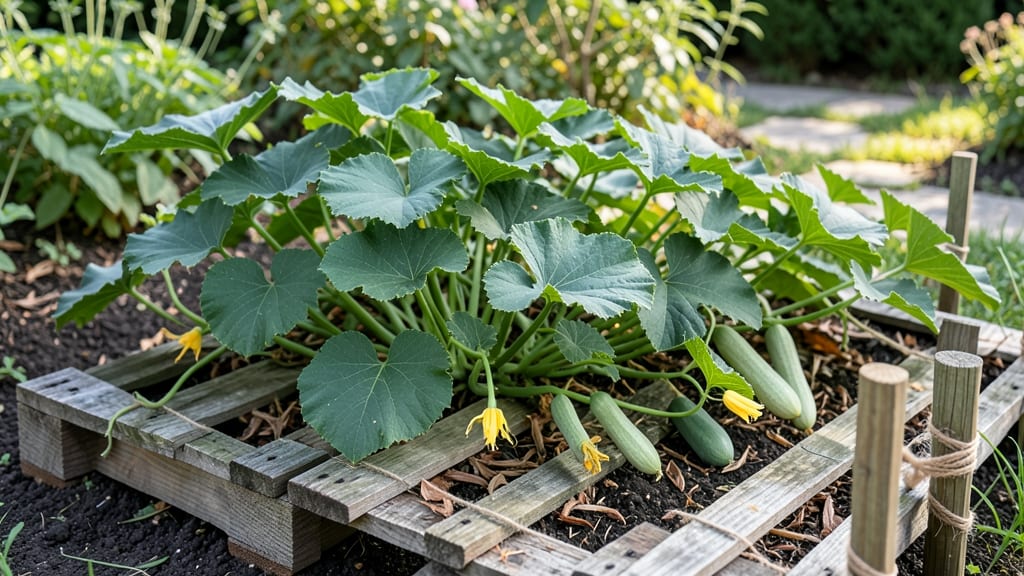
A sturdy pallet trellis for cucumbers turns sprawling vines into a vertical masterpiece. 🌿 I built mine last summer after watching my cucumbers take over half the garden—now they climb neatly while leaving space for other plants.
The best part? It's free if you salvage pallets from local stores, and the assembly takes less than an hour with basic tools.
Cucumbers need support that can handle their weight, especially when the fruits are heavy. A standard wooden pallet (not heat-treated) works perfectly—just sand rough edges and reinforce the corners if needed.
You'll also want zip ties or garden twine to guide the vines upward, and maybe some decorative paint if you're going for a rustic-chic look.
By mid-summer, your cucumbers will be sprawling up the trellis instead of across the ground, making harvests easier and keeping pests at bay. The vertical growth also improves air circulation, which means fewer diseases and happier plants. Plus, the trellis adds a charming, functional focal point to your garden.
Works for any cucumber variety—whether you're growing slicers, picklers, or those long, snake-like varieties. The same design even adapts for beans or peas if you want to mix it up. Let's get building!
📚 In This Guide
- What you need
- Instructions
- Tips and common mistakes
- Wrapping up and next steps
What you need
- ● Wooden pallet: 1 sturdy, untreated pallet (40x48" or similar). Ensure it’s free of splinters and chemicals (HT or IP-rated pallets are ideal).
- ● Cucumber seeds or seedlings: 2–4 plants (depending on pallet size). Choose bush or vining varieties like Lemon Cucumber or Straight Eight.
- ● Twine or jute twine: 50–100 ft (for tying vines). Opt for biodegradable or natural fiber.
- ● Staple gun (or screws/nails): To secure twine or slats if reinforcing the pallet.
- ● Potting soil: 1–2 bags (lightweight, well-draining mix). Avoid heavy garden soil.
- ● Containers or grow bags: 2–4 (5–7 gallon capacity). Ensure they have drainage holes.
- ● Watering can or hose: With a gentle spray nozzle for even moisture.
- ● Fertilizer: Balanced organic fertilizer (e.g., 10-10-10) or compost tea.
- ● Drill or screwdriver: For pre-drilling holes if securing containers to the pallet.
- ● Measuring tape: To ensure even spacing for containers.
- ○ Paint or sealant: (Optional) Non-toxic, water-based sealant to extend pallet life.
- ○ Decorative elements: (Optional) Moss, succulents, or hanging planters to enhance aesthetics.
- ○ Pallet jack or helper: (Optional) To lift the pallet into place if it’s heavy.
Step-by-step instructions for building a pallet trellis for cucumbers
Here's how to create a sturdy, budget-friendly vertical garden support that keeps cucumbers growing strong and organized.
🪴 Step 1: Gather and Prepare Your Materials
Find a clean, sturdy wooden pallet—avoid those with chemical markings or broken slats. I like to use a 48-inch by 40-inch standard pallet because it provides plenty of vertical space for vining cucumbers. Check for loose nails or splinters and sand down any rough edges with 80-grit sandpaper. This ensures your plants won't get snagged or damaged as they grow.
You'll also need 4-6 wooden stakes (about 2 feet long) to anchor the pallet upright. Drive these stakes into the ground at each corner of the pallet, leaving about 6 inches of the stake above the pallet's top slat. This creates a stable frame that won't wobble when cucumbers get heavy with fruit.
✂️ Step 2: Reinforce the Pallet Structure
Cucumbers can get surprisingly heavy once they start producing fruit, so reinforcing the pallet is key. Use zip ties or heavy-duty twine to secure any wobbly slats or loose boards. I like to wrap the ties around the slats in an "X" pattern for extra stability. This step prevents the trellis from collapsing under the weight of climbing vines and large cucumbers.
If your pallet has gaps larger than 3 inches, cover them with landscape fabric or chicken wire stapled to the back. This creates a solid climbing surface for the cucumber vines and prevents them from slipping through the gaps. Think of it like giving your cucumbers a safety net as they grow upward.
☀️ Step 3: Position and Secure the Trellis
Place the reinforced pallet in a spot that gets full sun—cucumbers need at least 6-8 hours of direct sunlight daily to produce well. I like to position it with the long side facing south (in the Northern Hemisphere) to maximize sunlight exposure. Drive the wooden stakes into the ground at a 45-degree angle for extra stability, then use zip ties or bungee cords to secure the pallet to the stakes.
Leave about 12 inches of space between the trellis and any nearby plants or structures. This gives cucumber vines room to sprawl and prevents them from getting tangled or shaded by other plants. If you're in a windy area, consider adding a 5th stake in the center for additional support.
🌱 Step 4: Plant and Train Cucumbers to Climb
Plant cucumber seeds or seedlings at the base of the trellis, spacing them 12-18 inches apart along the bottom edge. Water them deeply right after planting to help the roots establish. As the vines grow, gently weave them through the slats of the pallet. This encourages upward growth and keeps the fruit off the ground, reducing the risk of rot or pests.
Here's the thing—don't let the vines get too tangled. Every few days, check for any vines that have slipped through the gaps and guide them back onto the trellis. You'll see the cucumbers start to climb within a week or two, and soon you'll have a lush, vertical garden that saves space and makes harvesting a breeze.
💧 Step 5: Maintain and Harvest for Success
Water cucumbers deeply once or twice a week, aiming for 1 inch of water per week. Since the pallet elevates the plants, the soil may dry out faster than in-ground plantings. I like to use a soaker hose to water at the base, which keeps the leaves dry and reduces the risk of fungal diseases. Mulch around the base of the trellis with 2-3 inches of straw or wood chips to retain moisture and suppress weeds.
Harvest cucumbers when they're 6-8 inches long for the best flavor and to encourage more production. Regular harvesting keeps the plants focused on growing new fruit instead of letting cucumbers get overripe and bitter. You'll know it's time to harvest when the cucumbers feel firm and the skin is smooth—not waxy or dull.
Tips & tricks for perfect pallet trellis construction
Building a sturdy cucumber trellis doesn't have to be complicated—these simple tricks will help you avoid common pitfalls and create a support system that lasts all season.
Material Selection: Look for pallets labeled "HT" (heat-treated) rather than "MB" (methyl bromide-treated) to avoid potential chemical concerns. I always check for straight, unwarped boards—even slight bends can affect stability. If you find a pallet with missing slats, reinforce it with extra wooden strips secured with zip ties before planting.
Stability Secret: When driving your 4-6 wooden stakes, bury them at least 6 inches deep into the ground for maximum support. For extra wind resistance, angle the stakes outward slightly (about 15 degrees) rather than straight up. This creates a wider base that resists tipping when cucumbers get heavy with fruit.
Sunlight Strategy: Position your trellis with the long side facing south (in the Northern Hemisphere) to capture maximum sunlight during the day. If your garden gets afternoon shade, rotate the trellis so the cucumbers face east instead. Remember, those 6-8 hours of direct sunlight are non-negotiable for healthy vines and fruit production.
Maintenance Tip: Every 2-3 weeks during peak growing season, inspect your zip ties and twine for signs of wear. Replace any that show fraying or stretching, as these are the weak points that can fail under cucumber weight. I keep a small bag of extra ties handy—it's a 5-minute check that prevents big headaches later.
Pro Tips for Pallet Trellis For Cucumbers
- Building a sturdy cucumber trellis doesn't have to be complicated—these simple tricks will help you avoid common pitfalls and create a support system that lasts all season.
- Material Selection: Look for pallets labeled "HT" (heat-treated) rather than "MB" (methyl bromide-treated) to avoid potential chemical concerns.
- Stability Secret: When driving your 4-6 wooden stakes, bury them at least 6 inches deep into the ground for maximum support.
Frequently asked questions
Got questions about building and using a pallet trellis for cucumbers? You’re not alone! Here are some common concerns—and the answers you need to grow like a pro.
How tall should my pallet trellis be for cucumbers?
Aim for 6–8 feet tall to give cucumbers plenty of vertical space to climb and thrive. Most standard wooden pallets (40"–48" tall) work well, but stacking two pallets or adding crossbeams can boost height if needed. Just ensure the structure is sturdy—cucumbers can get heavy!
When is the best time to set up a pallet trellis for cucumbers?
Install your trellis 1–2 weeks before transplanting seedlings (or as soon as soil warms in spring). This gives vines time to latch onto the structure right away. If using a pallet, prep it early to let wood weather and avoid sap leaks that could harm young plants.
Can I reuse a pallet trellis for multiple growing seasons?
With proper care, a pallet trellis can last years. Clean it thoroughly after harvest to remove debris, treat wood with a non-toxic sealant (like linseed oil) to prevent rot, and store it in a dry place. Just replace any splintery or weakened boards to keep it safe for plants.
What if my cucumbers aren’t climbing the trellis?
No worries—try these fixes:
- Train vines gently: Guide the main stem upward and tie it loosely with soft twine or fabric strips.
- Prune lower leaves: Remove foliage touching the ground to reduce competition and encourage upward growth.
- Check for pests: Spider mites or aphids can weaken vines. Spray with neem oil if needed.
Are there alternatives to pallet trellises for cucumbers?
Yes! Other DIY options include:
- Bamboo poles or stakes: Bundle 3–4 poles together for stability.
- Metal cages or A-frame trellises: Great for smaller spaces.
- Repurposed fencing or lattice: Attach to a sturdy post or wall.
Wrapping up and next steps
A pallet trellis for cucumbers is a game-changer for small gardens—maximizing space, improving air circulation, and boosting yields with minimal effort! 🌱 Whether you’re a seasoned gardener or just starting, this DIY project is budget-friendly and rewarding.
Now that you’ve got the know-how, it’s time to roll up your sleeves and transform your garden into a thriving vertical paradise.
Ready to grow? Start by gathering your materials and follow the steps to build your trellis—your cucumbers will thank you with lush, vine-covered success! 🌿