
Watering
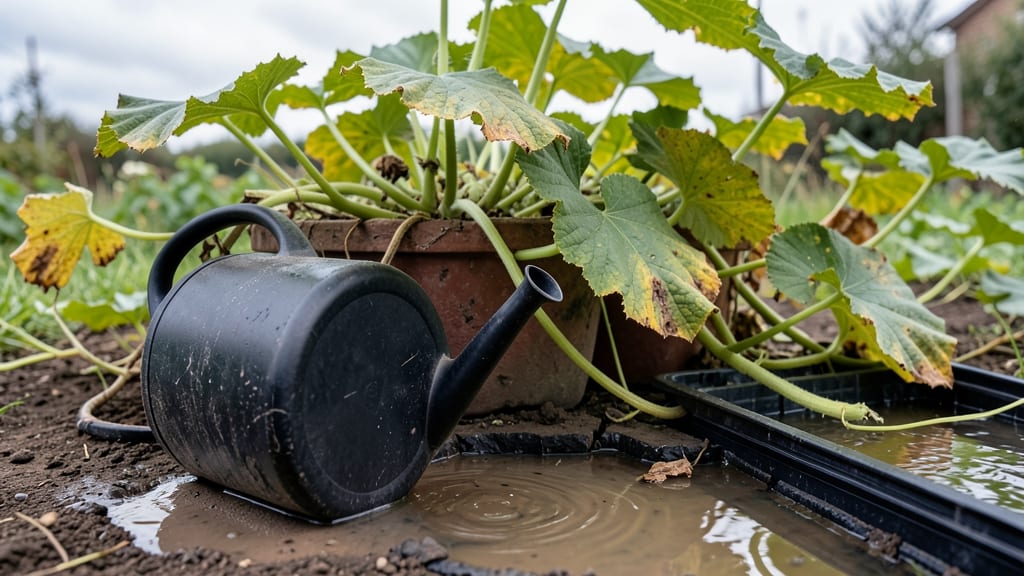
Those sad, overwatered cucumber leaves—yellowing, wilting, and smelling like a swamp—are a gardener’s worst nightmare, but your plants might still bounce back with a little TLC. 🌱 Honestly, I've drowned more cucumbers than I'd like to admit, but here's the good news: you can revive them in just a few steps without losing the whole plant.
The problem isn't just too much water—it's the soggy roots and fungal growth that follow. Most gardeners overcompensate after seeing wilted leaves, but cucumbers hate wet feet. The fix starts with checking drainage and adjusting your watering schedule to match what these thirsty plants actually need.
Within days, you'll see crisp new growth as the roots recover. The leaves will turn back to that vibrant green, and your vines will climb like they're in a cucumber competition again. Best part? These simple steps work for both backyard gardens and container plants.
Fair warning: prevention is easier than cleanup. Once you've saved your plants, keep a finger in the soil to check moisture—this quirk saved my last harvest from a similar disaster. Here's exactly how to bring them back to life.
Root Causes Of Soggy Soil
When your cucumber plants start showing signs of distress—yellowing leaves, wilting stems, or a sad, droopy appearance—it’s often a clear signal that water is the problem. But why does overwatering happen in the first place?
The answer lies in a mix of environmental, soil, and even human factors that disrupt your cucumbers’ delicate balance. Let’s break down the science behind why your plants might be drowning in their own moisture.
Cucumbers thrive in well-draining soil that allows excess water to escape quickly. If your soil is clay-heavy, compacted, or lacks organic matter, water pools around the roots instead of draining away. This creates an oxygen-deprived environment, suffocating roots and triggering:
- Root rot: Fungal pathogens like Pythium or Phytophthora flourish in soggy conditions, attacking root tissues and blocking nutrient uptake.
- Nutrient leaching: Excess water washes away essential minerals (nitrogen, potassium, phosphorus) that roots need to stay healthy.
- Stunted growth: Roots deprived of oxygen can’t absorb water efficiently, leading to wilting even when the soil is wet.
Actionable fix: Amend heavy soil with compost, perlite, or coarse sand to improve aeration. For container plants, ensure pots have drainage holes.
Even the best-intentioned gardeners can fall into the trap of watering on a schedule rather than by need. Cucumbers have shallow roots and prefer consistent moisture—but that doesn’t mean they want to swim. Common mistakes include:
- Daily light watering: Frequent shallow watering encourages roots to stay near the surface, where they dry out quickly, prompting more frequent watering.
- Ignoring weather conditions: Rainy days or high humidity can leave soil saturated longer than expected, while hot, windy days dry soil faster.
- Using the "finger test" incorrectly: Sticking your finger 1–2 inches deep isn’t enough for cucumbers; check 3–4 inches down to gauge true soil moisture.
Actionable fix: Water deeply 2–3 times per week (adjust for climate) and always check soil moisture before watering. Use a moisture meter for precision.
Potted cucumbers are especially vulnerable because their roots have nowhere to go when water accumulates. Without proper drainage, containers become deathtraps for overwatering. Key issues include:
- No drainage holes: Water sits at the bottom, creating a breeding ground for rot.
- Overpotting: Large containers hold more water than roots can absorb, leading to stagnation.
- Poor pot materials: Plastic traps moisture longer than terracotta or fabric pots, which breathe better.
Actionable fix: Upgrade to pots with drainage holes and use a well-draining potting mix (avoid garden soil). Elevate pots on feet or saucers to prevent waterlogging from below.
Cucumbers love warmth but hate stagnant air. When humidity spikes (common in greenhouses or shaded areas), excess moisture lingers in the air and the soil. This creates a double threat:
- Fungal infections: High humidity encourages powdery mildew or downy mildew, which thrive on damp leaves.
- Slowed evaporation: Water evaporates slower in humid conditions, keeping soil wet longer.
Actionable fix: Improve airflow with spacers or fans and prune foliage to allow sunlight and air circulation. Avoid watering in the evening when humidity naturally rises.
Young cucumber plants or newly transplanted seedlings struggle to establish strong root networks. Until roots spread 3–4 inches deep, they can’t absorb water efficiently, leading to:
- Surface-level roots: These dry out quickly, tricking gardeners into overwatering.
- Stress from transplant shock: Disturbed roots take time to recover, making plants more susceptible to rot.
Actionable fix: Water lightly but frequently for the first 2–3 weeks after transplanting. Use a root stimulator to encourage faster growth.
Revive Your Cucumbers Now
Overwatered cucumber leaves can feel like a disaster, but the good news? You can turn things around fast with the right steps. Below, we’ll break down the most common causes of soggy, wilted, or yellowing leaves—and how to fix them without losing your plants.
Think of this as your cucumber plant’s emergency room visit, where every action counts.
If your cucumbers are drowning in moisture, poor drainage is usually the culprit. Waterlogged soil cuts off oxygen roots need to breathe, leading to yellowing, wilting, or even mold.
🔧 Step-by-Step Fix:
- 🌱 Stop Watering Immediately
- Let the soil dry out for 24–48 hours before watering again. This gives roots a chance to recover.
- 🏗️ Improve Drainage in Containers
- If growing in pots, add perlite or coarse sand to the soil mix (20–30% of the total volume).
- Drill drainage holes if your container lacks them—use a power drill or nail for stubborn pots.
- 🌿 Raise the Plant
- Place pots on elevated trays or saucers to prevent water pooling at the bottom.
- 🌧️ Water Less, But Deeper
- Switch to deep watering 2–3 times per week (instead of daily shallow drinks). Aim for 1–1.5 inches of water per session and let excess drain away.
💡 Prevention Tips:
- Test your soil with a finger—water only when the top 1–2 inches feel dry.
- Use self-watering pots with moisture sensors to avoid guesswork.
- Mulch with straw or shredded leaves to retain moisture without suffocating roots.
If leaves are yellow with brown edges or feel mushy, root rot (from fungal/bacterial overwatering) may have set in. This is serious—act fast!
🩺 How to Diagnose & Treat:
- 🔍 Inspect the Roots
- Gently remove the plant from its pot and rinse the roots with water.
- Healthy roots are firm and white; rotten roots are black, mushy, or smell foul.
- 🛡️ Prune the Damage
- Use sterilized scissors to trim away all black/mushy roots.
- Dip healthy roots in a 1:10 hydrogen peroxide solution (3% peroxide) for 10 minutes to kill fungi.
- 🌱 Repot in Fresh, Dry Soil
- Choose a clean pot (or sanitize the old one with bleach).
- Use a well-draining mix: 60% potting soil + 30% perlite + 10% compost.
- Water lightly only after 3–4 days to let roots recover.
- 🌿 Adjust Watering Forever
- From now on, water only when the top 2 inches of soil are dry.
- Avoid wetting leaves—water at the base to prevent fungal spread.
⚠️ When to Say Goodbye
If more than 50% of roots are rotten, your plant may not recover. In that case, propagate healthy cuttings (if possible) or start fresh with a new seedling.
If leaves are crispy or curled (not mushy), you might be watering from above too often, leading to leaf burn or fungal issues.
💦 Quick Fixes:
- 🚰 Switch to Drip Irrigation or Soaker Hoses
- Water at the base (not overhead) to avoid wetting leaves, which encourages mildew.
- 🌞 Water in the Morning
- Morning watering gives leaves time to dry before nighttime humidity sets in.
- 🌿 Trim Damaged Foliage
- Snip off crispy or yellowed leaves to redirect energy to healthy growth.
🌟 Prevention Tips:
- Use a rain gauge to track watering—cucumbers need 1–1.5 inches per week (including rain).
- Space plants 2–3 feet apart for airflow, reducing humidity buildup.
- Apply neem oil spray (1 tsp per quart of water) weekly to prevent fungal diseases.
Even if you’re not sure what’s wrong, follow this emergency recovery plan to nurse your cucumbers back to health:
| Step | Action | Tools Needed |
|---|---|---|
| 🌡️ Assess the Damage | Check leaves (yellow? brown? mushy?) and roots (smell? color?). | Gloves, small trowel |
| 🚰 Adjust Watering | Stop watering for 2 days, then switch to deep, infrequent watering. | Watering can, timer |
| 🌿 Prune Problem Areas | Cut off rotted roots and dead leaves with sterilized scissors. | Pruning shears, hydrogen peroxide |
| 🏺 Repot if Needed | Move to fresh, dry soil in a pot with drainage holes. | New pot, potting mix |
| 🛡️ Boost Recovery | Fertilize lightly with balanced 10-10-10 (half-strength) after 1 week. | Fertilizer, spray bottle |
💡 Pro Tip: If your cucumbers are in ground soil (not pots), amend the bed with compost and create raised mounds to improve drainage. Avoid tilling wet soil—it compacts and worsens drainage!
By tackling the root cause (literally!) and adjusting your watering habits, your cucumbers should perk up in 1–2 weeks. Keep an eye on them, and soon you’ll be harvesting crisp, healthy cukes instead of soggy leaves! 🥒💚
Frequently asked questions
Why do my cucumber leaves turn yellow first when overwatered?
Yellowing leaves are the first sign because excess water blocks oxygen from reaching roots, causing them to suffocate. When roots can't absorb nutrients properly, the plant starts breaking down chlorophyll in older leaves first—just like how you'd eat your least favorite food when hungry! The yellowing spreads as the problem worsens.
Can I still save my cucumbers if the leaves are mushy and smell bad?
That's root rot setting in, but you might still save them! First, stop watering immediately and check the roots—if more than half are black/mushy, the plant may not recover. For less severe cases, trim the rotten roots, repot in fresh dry soil with perlite, and water lightly only after 3-4 days. Prevention is key after this!
How often should I water cucumbers to avoid overwatering?
Cucumbers prefer deep watering 2-3 times per week rather than daily shallow drinks. Stick your finger 3-4 inches deep—if it feels dry, it's time to water. Morning watering helps leaves dry quickly, preventing fungal issues. Adjust based on your climate (hotter = more frequent, cooler = less).
What's the difference between overwatered and underwatered cucumber leaves?
Overwatered leaves are yellow, limp, and often mushy with possible foul smells, while underwatered leaves are crispy, curled, and dry at the edges. The key difference is soil moisture—overwatered soil stays soggy, while underwatered soil feels bone-dry. Check the roots to confirm!
Will my cucumbers recover if I've been overwatering for weeks?
With immediate action, yes! Start by improving drainage and letting the soil dry completely. Prune any severely damaged leaves and roots, then repot in fresh soil. While recovery takes 2-3 weeks, new growth should appear if the roots aren't completely rotted. The sooner you act, the better the chances!