
Neem Oil
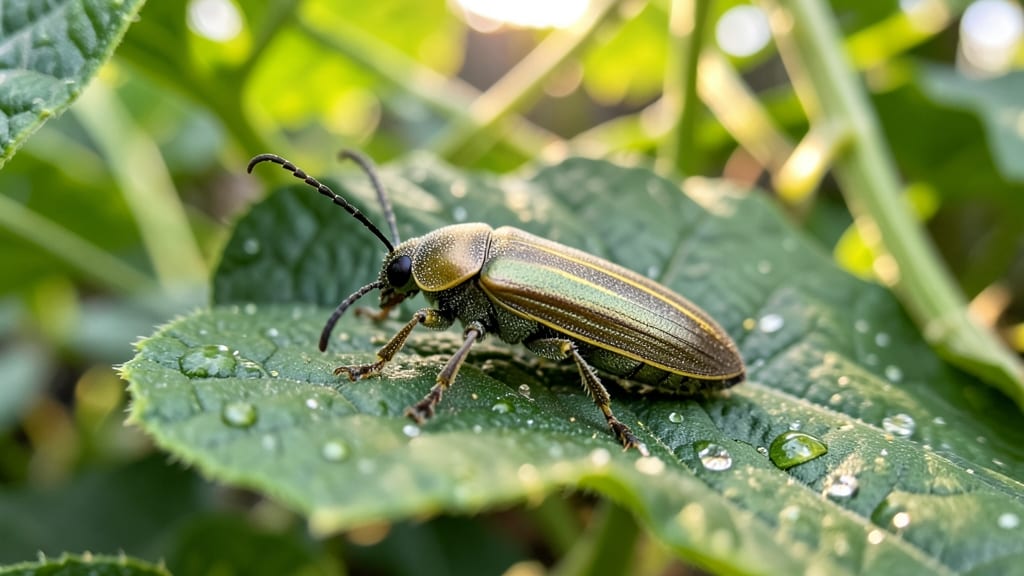
When cucumber beetles turn your cucumber plants into skeleton leaves overnight, neem oil is your secret weapon—fast, organic, and tough on pests but safe for your family. ✨ I’ve watched these tiny striped invaders chew through entire vines in a single afternoon, but a single neem oil application stops them in their tracks within hours.
The key is timing and technique, not just spraying willy-nilly.
Neem oil works because it disrupts beetles’ feeding and breeding cycles—no harsh chemicals, just natural compounds from the neem tree. You’ll need 1 teaspoon of neem oil per quart of water, a drop of dish soap (as an emulsifier), and a spray bottle.
The process takes 10 minutes and can be done in the early morning or evening to avoid harming bees. Reapply every 5-7 days or after rain until the beetles disappear completely.
What you’ll get is cucumber plants that look like they’ve been pampered, not picked clean. Leaves stay lush and green, vines grow strong, and you’ll actually harvest cucumbers instead of watching them get munched.
The best part? This same spray works on squash bugs, aphids, and even whiteflies—making it a multi-purpose garden hero for any backyard grower.
Fair warning: neem oil has a strong smell that fades quickly, and it’s safest to wear gloves while mixing. But the trade-off is worth it—your cucumbers will thank you with bigger yields and fewer pest battles all season long. Ready to reclaim your garden?
Root Causes Of Cucumber Beetle Attacks
Cucumber beetles—those tiny, striped pests—don’t just show up out of nowhere. Their presence in your garden is usually the result of a mix of environmental, ecological, and even human factors. Understanding these causes is key to preventing future infestations and making neem oil work more effectively.
Let’s break down why these beetles target your cucumbers, squash, and melons in the first place.
Cucumber beetles are drawn to plants that are already stressed or struggling. When plants are nutrient-deficient, underwatered, or overcrowded, their natural defenses weaken, making them easier targets. These beetles detect chemical signals released by compromised plants, signaling that they’re an easy meal.
Why it matters:
- Nitrogen deficiency reduces plant resilience, making them more attractive to beetles.
- Drought stress alters plant chemistry, emitting scents that lure pests.
- Poor soil health (lack of organic matter, improper pH) makes plants less capable of repelling insects.
Actionable fix: 💡 Boost plant health by:
- Using balanced organic fertilizers (like compost or worm castings) to strengthen plant immunity.
- Ensuring consistent watering (1–1.5 inches per week) to prevent stress signals.
- Thinning seedlings to reduce competition for nutrients and space.
Cucumber beetles thrive in warm, humid environments—the same conditions that many cucurbit crops (cucumbers, squash, melons) love. These beetles are most active during spring and early summer when temperatures hover between 70–90°F (21–32°C) and humidity is high. If your garden provides the perfect microclimate, you’ll likely see more beetles.
Why it matters:
- Overhead watering keeps foliage damp, creating a moist habitat beetles prefer.
- Late planting (after the first warm spell) can coincide with peak beetle activity.
- Southern or coastal regions often have longer beetle seasons due to milder winters.
Actionable fix: 🌡️ Disrupt their comfort zone by:
- Watering at the base (not overhead) to reduce humidity on leaves.
- Planting early-season varieties or using row covers before beetles emerge.
- Choosing shadier spots for vulnerable plants if your climate is beetle-heavy.
Cucumber beetles aren’t just random pests—they’re part of a larger ecosystem. When beneficial predators (like ladybugs, lacewings, or parasitic wasps) are missing or outnumbered, beetle populations explode. This often happens due to:
- Pesticide overuse: Broad-spectrum chemicals (even synthetic ones) kill both pests and their natural enemies.
- Monoculture gardening: Planting large blocks of the same crop removes biodiversity, leaving beetles unchecked.
- Loss of flowering plants: Many predator insects rely on nectar-rich flowers (like dill or marigolds) for food.
Why it matters:
- Without predators, a single female beetle can lay hundreds of eggs in a season, leading to rapid infestations.
- Beetles spread bacterial wilt, a deadly disease that can devastate entire crops if left unchecked.
Actionable fix: ✨ Restore balance with biodiversity:
- Plant companion flowers (e.g., nasturtiums, alyssum) to attract predator insects.
- Avoid harsh chemicals; opt for targeted solutions like neem oil or kaolin clay.
- Interplant diverse crops to break up beetle hotspots and confuse them.
Cucumber beetles often originate from wild or weedy host plants nearby. If your garden is close to:
- Unmanaged weeds (e.g., pigweed, smartweed, or lambsquarters)—common beetle breeding grounds.
- Nearby farms or forests with established beetle populations.
- Compost piles or leaf litter where beetles overwinter.
Why it matters:
- Adult beetles can fly up to 1 mile (1.6 km) to find new food sources, so proximity matters.
- Weeds act as nurseries, providing shelter and food for larvae before they migrate to your crops.
Actionable fix: 🔥 Create a beetle-free buffer zone:
- Remove weeds and debris within 50 feet of your garden in early spring.
- Use mulch or landscape fabric to block overwintering sites.
- Plant traps crops (like radishes or turnips) far from your main garden to lure beetles away.
By addressing these root causes—plant health, environment, ecosystem balance, and location—you’ll make your garden far less appealing to cucumber beetles. Neem oil works best when combined with these preventive strategies, creating a multi-layered defense that keeps your cucurbits thriving.
Quick Fixes for Cucumber Beetle Damage
Cucumber beetles can wreak havoc on your garden in no time, but with the right approach, you can turn the tide—especially with neem oil, a natural powerhouse for repelling and eliminating these pests.
Below are targeted solutions based on the root causes of infestations, from immediate fixes to long-term prevention.
If you’ve already spotted cucumber beetles munching on your plants, act fast to minimize damage.
🍳 Spray with Neem Oil (The Fastest Fix)
Neem oil disrupts the beetles’ feeding and reproductive cycles while being safe for plants (when used correctly). How to do it: 1. Mix the solution: Combine 1–2 tablespoons of neem oil with 1 teaspoon of mild liquid soap (like Castile soap) and 1 quart of water.
The soap helps the oil stick to the beetles. 2. Shake well: Neem oil separates, so stir vigorously before spraying. 3. Apply at dusk or dawn: Beetles are less active during cooler hours, and you avoid harming pollinators like bees.
- Cover all surfaces: Spray the top and bottom of leaves, stems, and soil around the base of plants. Beetles hide in the soil during the day!
- Reapply every 5–7 days or after rain, as neem oil breaks down quickly.
✨ Pro Tip: For extra potency, add 1 tablespoon of garlic or chili powder to the mix—beetles hate the smell!
Sometimes, a hands-on approach works best, especially for small gardens.
🕵️♂️ Handpick Beetles (Best for Early Infestations)
- When to do it: Early morning or late evening when beetles are sluggish.
- How to do it:
- Wear gloves (they can bite if provoked!).
- Look for yellow and black striped adults or larvae (white grubs near the soil).
- Drop them into soapy water to kill them instantly.
- Check under leaves and along stems—these are their favorite hiding spots.
💡 Pro Tip: Place a yellow bowl filled with soapy water near infested plants. Cucumber beetles are attracted to yellow and will drown in minutes!
Once you’ve eliminated the current beetles, take steps to keep them from returning.
🌱 Plant Smart to Deter Beetles
Cucumber beetles love cucumbers, squash, melons, and corn, but they hate certain companion plants. Plant these nearby to confuse them:
- Marigolds (repel beetles with their strong scent)
- Nasturtiums (act as a trap crop)
- Basil (deters beetles and improves cucumber flavor!)
- Radishes (their strong odor masks cucumber plants)
🌡️ Pro Tip: Interplant radishes or mustard greens between cucumber rows—they thrive quickly and disrupt beetle landing patterns.
🔪 Use Physical Barriers
Beetles are poor fliers but excellent jumpers, so block their access to young plants.
- Row covers: Use floating row covers (lightweight fabric) over seedlings until they’re established (about 3–4 weeks old).
- Collars: Wrap cardboard or aluminum foil around young stems to prevent beetles from crawling up.
✨ Pro Tip: If using row covers, secure edges tightly—beetles can slip underneath!
A clean garden is a beetle-free garden. Follow these habits to stay ahead:
- Rotate crops annually to disrupt beetle life cycles.
- Remove debris (like old vines or fallen leaves) where beetles overwinter.
- Encourage beneficial insects like ladybugs, lacewings, and parasitic wasps, which prey on cucumber beetles.
- Water deeply in the morning to strengthen plants and wash away eggs/larvae.
Final Note: Consistency is key! Neem oil and prevention methods work best when used regularly—don’t wait until beetles return. With these steps, your cucumbers, squash, and melons will stay safe, healthy, and pest-free! 🌱💚
Frequently asked questions
How soon will I see results after spraying neem oil on cucumber beetles?
You should notice a reduction in beetle activity within 24–48 hours, but for complete control, reapply every 5–7 days or after rain. The oil disrupts their feeding and breeding cycles, so consistency is key—don’t expect miracles from a single application. For heavy infestations, combine with handpicking or companion plants for faster results.
Can I use neem oil if I have bees pollinating my garden?
Yes, but with precautions! Apply neem oil only at dusk or dawn when bees are less active, and avoid spraying flowers directly. Bees avoid treated foliage after 4 hours, so time your applications carefully. Pro tip: Focus on leaves and stems where beetles hide, and skip flowering parts of your plants during treatment.
Will neem oil work on cucumber beetle larvae too?
Neem oil is effective against all life stages—adults, eggs, and larvae. The oil smothers larvae in the soil and disrupts their development. For best results, spray both the soil surface and plant foliage, as larvae often hide near the base of plants. Reapply after rain to maintain protection against hatching larvae.
How do I know if my neem oil spray is strong enough?
Your mix should have a thin, milky consistency—not too thick (like paint) or too watery. The soap acts as an emulsifier, so it should blend smoothly when shaken. Test effectiveness by spraying a small area first: if beetles avoid it within 24 hours, your concentration is likely correct. If not, increase to 2 tablespoons per quart of water.
Can I use neem oil as a preventative measure before beetles appear?
Yes! Neem oil works as both a treatment and preventative. Apply it every 7–10 days during peak beetle season (spring to early summer) to create a protective barrier. Combine this with companion planting (like marigolds or basil) and row covers for young plants to create a multi-layered defense before beetles even arrive.