
Vegetables
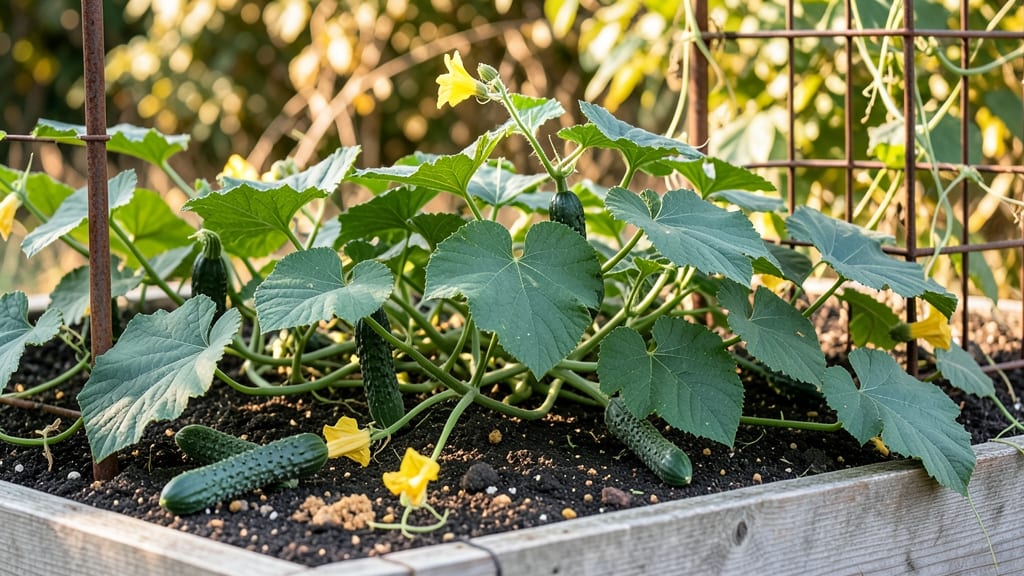
Growing Mexican sour gherkin cucumbers delivers tangy, crunchy pickles straight from your garden in just 60 days—no store-bought briny flavor needed. 🌱 I planted mine last spring after struggling with bland heirloom cucumbers, and the difference was shocking: these little gems pack a punch of lemony bite perfect for pickling.
The secret lies in their thick skin and compact vines, which thrive in small spaces and produce prolifically when given the right care.
You’ll need full sun (6+ hours daily), well-draining soil, and a trellis or container—these cucumbers sprawl but stay manageable. Start seeds indoors 4-6 weeks before last frost or sow directly after soil warms to 60°F.
Water consistently (1-2 inches weekly) but avoid soggy roots, which invite disease. Prune regularly to encourage bushier growth and better air circulation, and watch for cucumber beetles—cover young plants with row fabric until they’re established.
Harvest begins 50-60 days after planting, when fruits are 1-2 inches long and still firm. The earlier you pick, the more prolific the plant becomes—left too long, they turn bitter. Their bright green, bumpy skin and crisp flesh make them ideal for quick pickles, salads, or even fresh snacking.
One plant yields enough for dozens of jars of homemade pickles, saving you money and effort.
Perfect for small gardens, containers, or even balconies, these cucumbers adapt well to heat and drought once established. If your summers are scorching, provide afternoon shade to prevent sunscald.
The key to success? Stay consistent with water and watch for pests early—your reward will be a bounty of zesty, homegrown pickles that taste nothing like store-bought.
📚 In This Guide
- What you need
- Instructions
- Tips and common mistakes
- Wrapping up and next steps
What you need
- ● Seeds: Mexican sour gherkin (Cucumis sativus ‘Mexican Sour Gherkin’) – 10–15 seeds (or 3–5 plants if starting with transplants). Look for heirloom or organic varieties for the best flavor!
- ● Growing Space: Direct sunlight (6–8 hours daily)
- ● Container (5-gallon bucket or larger) or in-ground plot (3–4 feet wide rows, spaced 3–4 feet apart)
- ● Soil: Well-draining, fertile soil with a pH of 6.0–6.8. Mix in compost (2–3 cups per planting hole) for extra nutrients.
- ● Fertilizer: Balanced organic fertilizer (10-10-10 or 5-5-5) – 1 tbsp per plant at planting time
- ● Side-dress with compost tea or fish emulsion every 3–4 weeks for a flavor boost!
- ● Support: Trellis, cage, or stakes (3–4 feet tall) to encourage vertical growth and improve air circulation.
- ● Watering Supplies: Drip irrigation or watering can with a fine rose nozzle (to avoid damaging delicate leaves).
- ● Pruning Shears: Small, sharp shears for trimming vines and harvesting.
- ● Mulch: Straw or shredded leaves to retain moisture and suppress weeds.
- ● Row Cover: Lightweight fabric to protect young plants from pests or cool nights.
- ● Epsom Salt: 1 tbsp dissolved in water (sprayed on leaves) for extra magnesium and flavor enhancement.
- ● Harvest Basket or Tote: A breathable bag or basket to gently collect cucumbers without bruising.
- ● pH Test Kit: To monitor soil acidity and adjust as needed.
Step-by-Step guide to growing Mexican sour gherkin cucumbers
Here's how to cultivate these tangy, pickle-perfect cucumbers in just 60 days—no fancy equipment needed.
🌱 Step 1: Prepare Your Planting Site for Fast Germination
Mexican sour gherkin cucumbers thrive in warm soil with excellent drainage. Choose a location that gets full sun (6-8 hours daily), as they need consistent warmth to develop their signature tangy flavor. If you're planting in containers, ensure each has at least 10 gallons of space—these vines spread quickly and need room to stretch.
Work 2-3 inches of compost into the top 6 inches of soil to improve fertility and drainage. These cucumbers are heavy feeders, so I always mix in a handful of balanced organic fertilizer (10-10-10) at planting time. Avoid fresh manure—it can burn tender roots and delay germination. Test your soil's pH; these cucumbers prefer a slightly acidic to neutral range of 6.0-6.8.
☀️ Step 2: Plant Seeds or Transplants at the Right Time
Wait until the soil temperature reaches at least 60°F before planting—cold soil slows germination and leads to weak seedlings. If you're starting from seed, plant 1-2 seeds per hole, burying them just ½ inch deep. Space plants 12-18 inches apart in rows that are 3-4 feet apart to allow for trellising later.
For faster results, transplant seedlings after they've developed 2-3 true leaves. Harden them off first by placing them outside in a shaded area for 2-3 hours daily for 5-7 days before transplanting. You'll know they're ready when they look vibrant and perky, not wilted or leggy.
💧 Step 3: Water Deeply and Maintain Consistent Moisture
Water immediately after planting to settle the soil around the roots. Mexican sour gherkins need 1-1.5 inches of water per week, but they prefer deep, infrequent watering over light daily sprinkles. Water at the base of the plant in the morning to allow foliage to dry out—this prevents fungal diseases like powdery mildew, which loves damp leaves.
Mulch around the base with 2-3 inches of straw or shredded leaves to retain moisture and suppress weeds. Check soil moisture by sticking your finger 1 inch deep—if it feels dry, it's time to water. Overwatering is the biggest mistake here; soggy soil leads to blossom-end rot and weak fruit development.
✂️ Step 4: Train Vines and Prune for Maximum Yield
Install a 5-6 foot tall trellis or sturdy fence near your plants as soon as they sprout. Gently weave the main vine upward, securing it with soft plant ties every 12 inches. This keeps fruits off the ground, reduces disease risk, and improves air circulation. Prune any side shoots that form in the first 3-4 weeks—these cucumbers focus energy on fruit production, not foliage.
Watch for male and female flowers—female flowers have tiny cucumbers at their base. Once you see fruit set, reduce watering slightly to concentrate flavor. Harvest when cucumbers are 2-3 inches long for the best tangy, crisp texture. Pick consistently to encourage more production; unharvested fruits signal the plant to stop flowering.
🌿 Step 5: Fertilize and Monitor for Pests/Diseases
Feed plants with a low-nitrogen fertilizer (5-10-10) every 3-4 weeks after flowering begins. Too much nitrogen leads to leafy growth at the expense of fruit. I like to side-dress with compost tea mid-season for a gentle nutrient boost. Stop fertilizing 2 weeks before harvest to avoid bitter-tasting cucumbers.
Keep an eye out for cucumber beetles and aphids—they love these plants. Spray with neem oil weekly as a preventative, or introduce ladybugs for natural pest control. If you notice yellowing leaves, it could be a sign of powdery mildew; improve air circulation and remove infected leaves immediately. Rotate crops next season to prevent soil-borne diseases from recurring.
Tips & tricks for perfect Mexican sour gherkin cucumbers
These insider tricks will help you grow cucumbers with that signature tangy kick in just 60 days—no green thumb required.
Soil Temperature Secret: That 60°F soil temperature in Step 2 isn't just a suggestion—it's the magic number for germination. I've planted these cucumbers in cooler soil and watched germination drag out for weeks. Use a soil thermometer if you're unsure; most garden centers sell them for under $10. If your soil runs cold, consider using black plastic mulch to warm it up faster—it can add 5-10°F to soil temperature.
Container Growing Hack: When planting in containers with 10 gallons of space, choose ones with drainage holes and add a layer of gravel at the bottom. This prevents waterlogging, which is especially critical for these cucumbers since soggy soil leads to blossom-end rot. I've also found that containers with 12-14 inch diameters give roots better access to moisture and nutrients than narrow ones.
Watering Wisdom: The 1-1.5 inches of water per week in Step 3 might seem like a lot, but these cucumbers are thirsty plants. Here's my trick: water deeply every 4-5 days rather than daily shallow watering. This encourages deep root growth and prevents powdery mildew by keeping foliage dry. Use a rain gauge or tuna can to measure your water—it's shocking how much less we actually give plants compared to what they need!
Harvest Timing: Those 2-3 inch cucumbers in Step 4 are tiny but mighty—harvesting at this size is what gives them their signature tangy flavor. I set a timer to check plants every 2-3 days once they start producing. The smaller you pick them, the more the plant will keep producing. If you miss a harvest window, cucumbers can grow up to 4 inches before becoming too seedy and bitter for pickling.
Pro Tips for Mexican Sour Gherkin Cucumber
- These insider tricks will help you grow cucumbers with that signature tangy kick in just 60 days—no green thumb required.
- Soil Temperature Secret: That 60°F soil temperature in Step 2 isn't just a suggestion—it's the magic number for germination.
- Container Growing Hack: When planting in containers with 10 gallons of space, choose ones with drainage holes and add a layer of gravel at the bottom.
Frequently asked questions
Got questions about growing your own Mexican sour gherkin cucumbers?
You’re not alone! Here are some of the most common queries—plus quick, actionable answers to help you crush that tangy harvest.
What’s the difference between Mexican sour gherkin cucumbers and regular pickling cucumbers?
Mexican sour gherkin cucumbers (like Cucumis sativus varieties such as ‘Mexican Sour Gherkin’ or ‘Tepin’) are bred for their small size (1–3 inches), thick skin, and intense sour flavor. Regular pickling cucumbers (like ‘Boston Pickling’) are often larger and milder. The gherkin’s bite is perfect for escabeche or quick pickles—think tangy, crunchy, and slightly spicy!
How long does it take to harvest Mexican sour gherkins?
With the right care, you can harvest 60–70 days after planting (check seed packets for exact varieties). The key? Pick them young! Wait until they’re 1–3 inches long—if you let them grow bigger, they’ll turn bitter and lose that signature sour punch. Pro tip: Harvest every 2–3 days to encourage more production.
Can I grow Mexican sour gherkins in containers or small spaces?
These cucumbers thrive in 5-gallon containers or vertical trellises (they’re bushy but not vining like some varieties). Just ensure the pot has drainage holes and use a lightweight potting mix. For small spaces, try bush gherkin varieties or train them upward with a 3–4 foot trellis. Bonus: Containers let you move plants to follow the sun!
What if my gherkins turn yellow or bitter before harvesting?
Yellowing or bitterness usually means overmaturity or stress. Common fixes:
- Heat stress: Provide afternoon shade in hot climates (75–85°F is ideal).
- Watering issues: Keep soil consistently moist (not soggy). Drought or uneven watering causes bitterness.
- Overcrowding: Thin plants to 12–18 inches apart for better airflow.
If it’s too late, use them in cooked dishes (like salsas) where bitterness blends in!
Are there substitutes if I can’t find Mexican sour gherkin seeds?
Yes! Try these close alternatives for pickling:
- ‘Lemon Cucumber’ – Small, sour, and lemon-shaped.
- ‘National Pickling’ – Classic for quick pickles (but milder).
- ‘Miniature White’ – Tiny and crisp, great for escabeche.
Pro tip: If using larger cucumbers, slice them thin and pickle for 24–48 hours to mimic the gherkin’s tang.
Wrapping up and next steps
Growing your own Mexican sour gherkin cucumbers is a rewarding journey that delivers crisp, tangy pickles in just 60 days! With the right soil, sunlight, and care, you’ll unlock a flavorful harvest straight from your garden.
Whether you’re a seasoned gardener or a curious beginner, these vibrant cucumbers are a game-changer for homemade pickles and fresh snacks.
Ready to dive in? Start by gathering your supplies—then plant, nurture, and enjoy the sweet (and sour!) rewards of your hard work. Your taste buds—and your kitchen—will thank you! 🌱🍅