
Vegetables
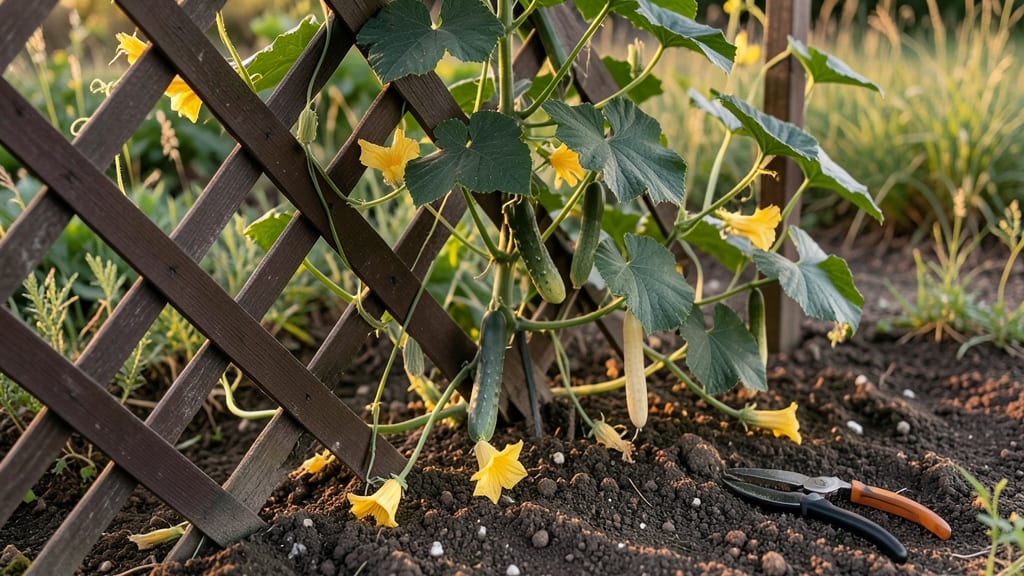
Growing Boothby Blonde cucumbers means 55-day speedsters climbing your trellis with crisp, golden fruit. 🌱 I fell for this variety after my first harvest—sweet, tender slices that taste nothing like the bitter store-bought ones. These aren’t just fast; they’re flavor game-changers for small spaces or impatient gardeners.
They thrive in full sun and well-draining soil, but here’s the secret: poles or strong trellises are non-negotiable. Without support, vines sprawl, fruits rot, and you’ll spend summer chasing cucumbers.
Start seeds indoors 3-4 weeks before your last frost, or plant directly after soil warms to 60°F—these cucumbers hate cold feet. Once established, keep soil consistently moist (not soggy) and fertilize lightly with compost tea every 2 weeks.
Watch for cucumber beetles and powdery mildew—their arch-nemeses—and harvest daily to encourage more production. The first fruits appear in 55 days, but if you prune suckers (those little side shoots), you’ll get even bigger, straighter cucumbers.
Perfect for containers (5-gallon pots work) or small gardens, these cucumbers pair beautifully with radishes, lettuce, and nasturtiums. The key? Start early, train aggressively, and harvest religiously. Your summer salads will never be the same.
📚 In This Guide
- What you need
- Instructions
- Tips and common mistakes
- Wrapping up and next steps
What you need
- ● Seeds: 5–10 Boothby Blonde Cucumber seeds (organic or heirloom preferred).
- ● Growing Containers or Garden Space: For containers: 5-gallon pots (1 per plant) with drainage holes.
- ● For in-ground: Well-draining soil, full sun (6+ hours/day), and space 12–18 inches apart.
- ● Pole or Trellis System: 6–8 ft tall bamboo stakes, A-frame trellis, or netting (1 per plant).
- ● Potting Mix: 1 bag of high-quality, seed-starting mix (or compost-amended garden soil).
- ● Fertilizer: Balanced organic fertilizer (5-5-5 or compost tea) or slow-release granules.
- ● Watering Can or Hose: With a gentle spray nozzle for seedlings.
- ● Hand Trowel or Transplanter: For planting seeds or seedlings.
- ○ Pruning Shears: To trim excess vines or suckers (optional but helpful).
- ● Mulch: Straw or shredded leaves to retain moisture (1–2 inches).
- ○ Shade Cloth (Optional): 30–50% coverage for seedlings if temps exceed 85°F.
- ● Gloves & Sunscreen: Because cucumber love is a hands-on (and sun-safe) affair!
- ● Warmth: Soil temps above 60°F (use a soil thermometer if unsure).
- ● Last Frost Date: Plant after your area’s last frost (or start indoors 3–4 weeks early).
- ● Patience: These cucumbers grow fast—but consistency is key for pole-climbing success!
Step-by-Step instructions for growing Boothby Blonde cucumbers
Here’s how to coax these fast-growing, pole-climbing beauties to maturity in under two months.
🌱 Step 1: Choose the Right Location and Trellis Setup
Boothby Blonde cucumbers thrive when trained vertically, so install a sturdy 6-foot trellis or poles spaced 4 feet apart before planting. I use galvanized wire mesh for durability—it holds the vines securely even as they swell with fruit. Position the trellis in full sun, where it receives at least 8 hours of direct light daily. If your garden gets afternoon shade, opt for a south-facing wall to maximize morning sun exposure.
These cucumbers grow aggressively, so ensure the trellis can support 10+ pounds per plant by mid-season. I anchor mine with stakes driven 12 inches deep into the soil to prevent toppling. The key is stability—nothing ruins a harvest faster than a collapsed trellis mid-summer.
🌱 Step 2: Prepare Soil and Plant Seeds or Transplants
Work 2 inches of compost into the top 6 inches of soil to improve drainage and fertility. Boothby Blonde cucumbers prefer slightly acidic to neutral soil (pH 6.0-7.0) and perform best in well-draining, loose soil. If your garden soil is heavy clay, amend it with 1 part perlite per 3 parts soil to prevent root rot. I also add a handful of bone meal at planting time to boost early root development.
Sow 2-3 seeds per hill, 1 inch deep, spacing hills 3 feet apart to allow for vigorous vine growth. If using transplants, bury them deeper than the root ball—cucumbers develop additional roots along their stems, which strengthens the plant. Water immediately after planting to settle the soil and encourage root contact.
✂️ Step 3: Train Vines and Prune for Optimal Growth
Once seedlings emerge, guide the main vine onto the trellis by gently tying it with soft plant ties every 12 inches. Prune aggressively to encourage upward growth—remove all side shoots until the vine reaches the top of the trellis. This focuses the plant’s energy on producing long, straight fruits rather than bushy, tangled growth. I use clean pruning shears to snip just above a leaf node, which prevents disease entry.
After the main vine climbs the trellis, allow 2-3 lateral branches to develop per node. These will bear the fruit, so monitor them closely. Remove any male flowers (they have a long stem and no swelling at the base) to redirect the plant’s energy toward female flowers, which produce the cucumbers. You’ll see female flowers as small, swollen buds at the base of the stem.
💧 Step 4: Water and Fertilize for Maximum Yield
Water deeply 2-3 times per week, aiming for 1-1.5 inches of water per week. Boothby Blonde cucumbers are drought-sensitive, so maintain consistent moisture—uneven watering leads to bitter fruit and blossom-end rot. I water in the early morning to reduce fungal risks and improve uptake. Use a soaker hose to deliver water directly to the roots without wetting the leaves.
Fertilize every 3 weeks with a balanced, organic fertilizer (10-10-10) once the vines start climbing. Stop fertilizing 2 weeks before harvest to avoid over-softening the fruit. I also sprinkle crushed eggshells around the base monthly to provide calcium, which prevents blossom-end rot—a common issue with cucumbers.
🍉 Step 5: Harvest at Peak Ripeness for Best Flavor
Harvest Boothby Blonde cucumbers when they reach 6-8 inches long and develop a smooth, golden-yellow skin. Use pruning shears to cut the fruit from the vine, leaving a ½-inch stem attached. This prevents damage to the vine and encourages continuous production. I harvest every 2-3 days in peak season—neglecting harvests slows the plant’s productivity and leads to overripe, seedy cucumbers.
Store harvested cucumbers in the fridge for up to 1 week or use them immediately in salads, pickling, or fresh eating. The key to a prolonged harvest is consistent pruning and training—keep the trellis clear of debris and remove any yellowing leaves to maintain airflow. With proper care, a single Boothby Blonde plant can yield 10-15 cucumbers over 55 days.
Tips & tricks for perfect Boothby Blonde cucumber growth
These game-changing insights will help you maximize your harvest with minimal effort—no more wasted vines or bitter cucumbers.
Trellis Stability: The 6-foot trellis instructions mention is non-negotiable for these vigorous climbers. I reinforce mine with additional cross-bracing halfway up—this prevents the top from swaying in wind, which can snap tender vines. For extra security, I use zip ties to connect the trellis to the stakes, creating a rigid frame. A collapsed trellis mid-season means lost fruit and frustrated gardeners.
Soil pH Precision: While the instructions call for slightly acidic to neutral soil (pH 6.0-7.0), I test my soil annually with a digital pH meter—these cucumbers are sensitive to even slight deviations. If your soil tests below 6.0, add pelletized lime (1/2 cup per 100 square feet) two months before planting. Above 7.0? Mix in sulfur (1/2 pound per 100 square feet) for better nutrient uptake. The bone meal mentioned in Step 2 is particularly effective at stabilizing pH in the root zone.
Pruning Timing: The aggressive pruning in Step 3 requires patience—don't rush it! I wait until the main vine has at least 3 sets of true leaves before guiding it up the trellis. This ensures the plant has established a strong root system to support the weight of future fruit. When removing male flowers, I use a small magnifying glass to identify them more accurately—those tiny buds are easy to miss, and every male flower removed means more energy for female flowers that produce cucumbers.
Watering Strategy: The 1-1.5 inches of water per week recommendation works, but timing matters just as much. I install a rain gauge near my trellis to track rainfall—if we get 1 inch from rain, I skip the soaker hose that week. The key is consistency: I water at the same time every morning (6-7 AM) to establish a routine the plants will follow. For container growing, I add water-absorbing crystals to the soil mix to help maintain moisture between waterings.
Pro Tips for Boothby Blonde Cucumber
- These game-changing insights will help you maximize your harvest with minimal effort—no more wasted vines or bitter cucumbers.
- Trellis Stability: The 6-foot trellis instructions mention is non-negotiable for these vigorous climbers.
- Soil pH Precision: While the instructions call for slightly acidic to neutral soil (pH 6.0-7.0), I test my soil annually with a digital pH meter—these cucumbers are sensitive to even slight deviations.
Frequently asked questions
Got questions about growing the Boothby Blonde Cucumber? You’re not alone!
Here are answers to the most common queries—from planting to harvest—so you can grow these fast, flavorful cucumbers like a pro.
How fast do Boothby Blonde Cucumbers actually grow?
These pole-climbing speedsters live up to the hype! With ideal conditions (warm soil, full sun, and consistent moisture), you can expect vines to sprout in 7–10 days and cucumbers ready for harvest in just 55 days from planting. Pro tip: Use trellises early to encourage vertical growth and faster fruiting!
When is the best time to plant Boothby Blonde Cucumbers?
Wait until after the last frost when soil temps hit 60°F+ (15°C+). For cooler climates, start seeds indoors 4–6 weeks before transplanting or use row covers to protect young plants. Boothby Blondes thrive in heat, so avoid planting until nighttime temps stay above 50°F (10°C).
Can I grow Boothby Blonde Cucumbers in containers?
These vining cucumbers do well in 5-gallon+ containers with a sturdy trellis or cage. Ensure pots have drainage holes and use a lightweight potting mix enriched with compost. Place containers in full sun (6+ hours/day) and water consistently—container-grown plants dry out faster.
What pests or diseases should I watch for with Boothby Blonde Cucumbers?
Common culprits include cucumber beetles, aphids, and powdery mildew. Prevent pests with row covers early on, and rotate crops yearly to avoid soil-borne diseases. For mildew, improve airflow with proper spacing and avoid overhead watering. A quick spray of neem oil can also help keep pests at bay!
How do I know when Boothby Blonde Cucumbers are ready to harvest?
Pick them when they’re 6–8 inches long and bright golden-yellow—they’ll be crisp, sweet, and tender. Use pruning shears or a knife to avoid damaging the vine. Harvest frequently (every 2–3 days) to encourage more production! Warning: Overripe cucumbers turn seedy and bitter, so don’t wait too long.
What can I do if my Boothby Blonde Cucumbers stop producing?
Common reasons include overcrowding, lack of water, or uneven pollination. Try these fixes:
- Thin vines to improve airflow and sunlight.
- Water deeply (1–2 inches per week) and keep soil moist.
- Hand-pollinate flowers with a paintbrush if bees are scarce.
- Fertilize lightly with compost or a balanced veggie feed.
Wrapping up and next steps
Growing Boothby Blonde cucumbers is a rewarding journey—packed with speed, flavor, and minimal fuss! With just a little patience (and a sturdy trellis 🌱), you’ll enjoy crisp, golden-skinned cucumbers in under two months.
Whether you’re a seasoned gardener or a curious beginner, these pole-climbing beauties make summer harvests feel like a victory.
Ready to dive in? Start small: Grab your seeds, prep your space, and let these speedy growers surprise you! Share your progress or harvest tips in the comments—we’d love to see your Boothby Blonde success stories! 🌟