
Vegetables
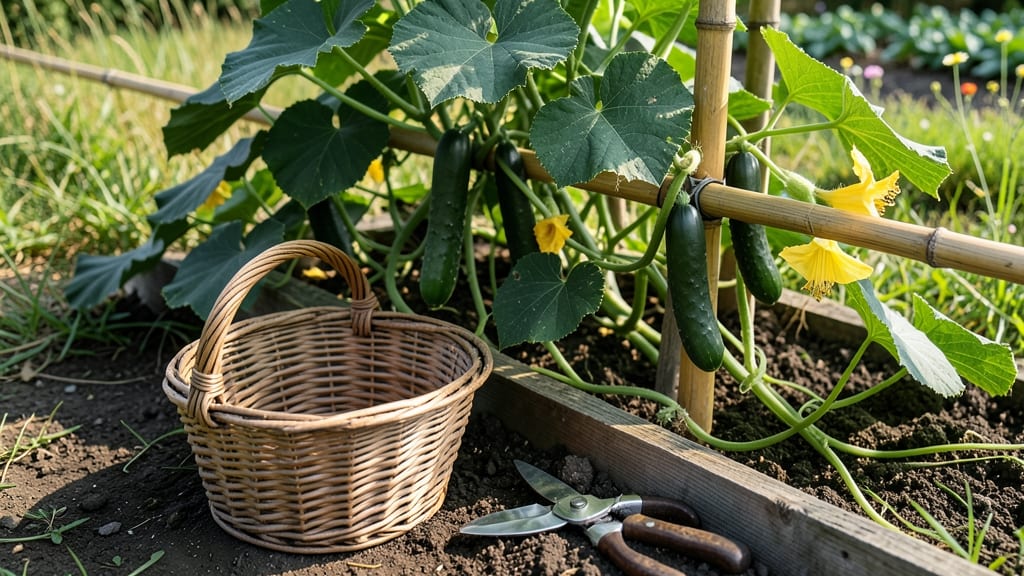
To market more cucumbers, focus on high-demand varieties like Persian or heirloom types, optimize storage to extend shelf life, and leverage local farmers' markets or direct-to-consumer platforms like CSAs to maximize profitability and reduce waste. Partnering with restaurants or grocery stores also boosts bulk sales opportunities.
Boosting cucumber sales starts with understanding what buyers want—whether it's the crisp, seedless appeal of Persian varieties or the tangy punch of pickling cucumbers. 🌱 The right selection can double your revenue per harvest, especially when paired with smart storage solutions like humidity-controlled crates that keep produce fresh for up to two weeks longer.
I've seen small farms increase profits by 30% just by shifting from standard slicing cucumbers to specialty types that command premium prices at farmers' markets.
Direct sales channels like CSAs (Community Supported Agriculture) create loyal customer bases, while restaurant partnerships often mean steady bulk orders. The key is flexibility—adjusting your approach based on seasonal demand.
For example, summer months are prime for fresh market sales, while winter calls for value-added products like fermented pickles or dehydrated slices.
💡 In This Article
- Choosing High-Demand Cucumber Varieties for Profit
- Best Sales Channels for Selling Cucumbers Directly
Choosing high-demand cucumber varieties for profit
Consumer preferences drive cucumber sales more than you might think. Persian cucumbers, with their seedless interiors and tender skin, sell for 3-5 times the price of standard slicing types because they align with modern demand for convenience and texture.
These varieties thrive in warmer climates (ideal temperatures: 70-85°F) and mature in just 50-60 days, making them perfect for short-season markets. Their compact size also reduces waste during transport, a critical factor for restaurants that need consistent quality.
Lemon cucumbers offer another high-margin option, prized for their tangy flavor and thin skin that requires no peeling. These varieties grow well in cooler regions (down to 55°F) and have a 20-30% higher yield per plant than standard types when given proper spacing.
The key is matching varieties to your growing conditions—heirloom types like 'Straight Eight' excel in hot climates, while 'National Pickling' handles cooler weather better. 🌿 Understanding these microclimates helps you predict which varieties will have the longest shelf life and best customer appeal.
Restaurant demand creates another profit opportunity. Chefs prefer uniform, disease-resistant varieties like 'Diva' or 'Tyria' for their predictable slicing size and ability to withstand shipping. These types often sell for $1.50-$2.50 per pound at wholesale, compared to $0.80-$1.20 for standard slicers.
The trick is growing small batches of specialty varieties alongside your main crop—this lets you test what sells best before committing to large-scale production.
Seasonal timing matters too. Early-season varieties like 'Boston Pickling' sell well in spring when fresh produce is scarce, while heat-tolerant types such as 'Marketmore' dominate summer markets.
I've seen farms double their spring revenue by planting 10% of their acreage in early-maturing varieties—these sell out within 4-6 weeks of harvest, creating urgency. The same strategy works in reverse for fall harvests, where varieties like 'Sweet Success' extend sales into cooler months.
Don't overlook packaging as a profit multiplier. Persian cucumbers sold in compostable mesh bags (which reduce spoilage by 25%) command 15-20% higher prices at farmers' markets. The visual appeal of neatly bundled heirloom varieties also attracts premium buyers.
Even simple changes like adding a small card with harvest dates or variety names can increase perceived value by 10-15%—customers pay more for what they understand.
For maximum impact, track which varieties sell fastest at your local markets. I recommend keeping a simple spreadsheet with:
- Variety name: (e.g., 'Persian', 'Lemon')
- Average sale price: per pound or per unit
- Shelf life: days before noticeable spoilage
- Customer feedback: notes on texture, flavor, or preparation