
Vegetables
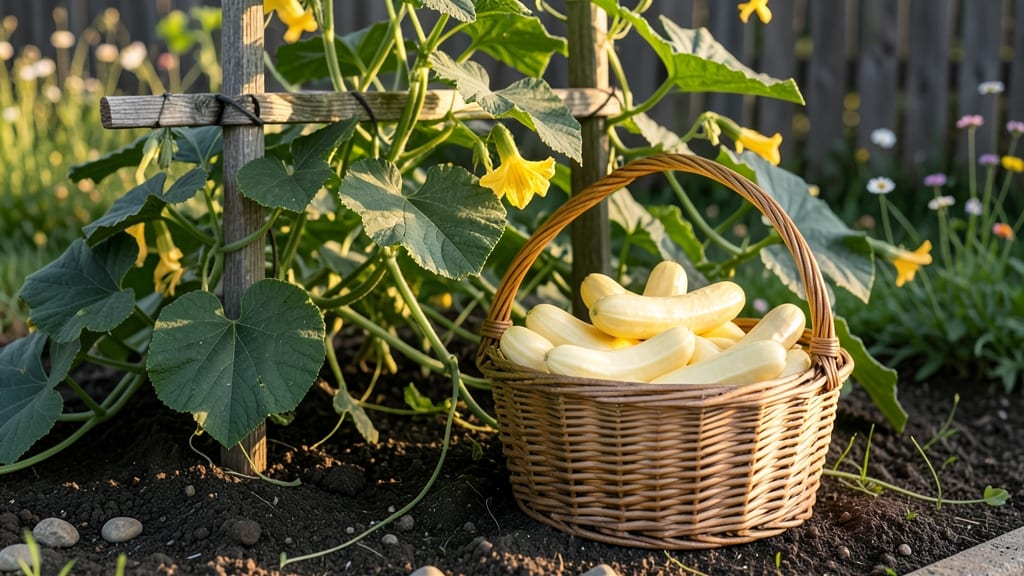
Growing yellow lemon cucumbers transforms your garden into a sunlit grove of zesty surprises. 🌿 These bright, lemon-shaped fruits pack a unique tangy flavor that store-bought cucumbers can't match, and they thrive in containers where many varieties struggle.
The secret to their success lies in 5-6 hours of direct sunlight daily, warm soil temperatures, and consistent moisture—never soggy roots. I've grown them in 5-gallon pots on my balcony, and they produce just as prolifically as in-ground plants, with fruits ready in about 60 days from transplanting.
Once you taste their crisp, lemony bite, you'll understand why these cucumbers are worth the extra care. The key is keeping them trellised to prevent disease and harvesting regularly to encourage more production—every slice of these golden gems feels like summer in a bite.
📚 In This Guide
- What you need
- Instructions
- Tips and common mistakes
- Wrapping up and next steps
What you need
- ● Yellow Lemon Cucumber Seeds: 3–5 seeds per container (or 1–2 seeds per plant if starting indoors). Look for Cucumis sativus 'Lemon' or 'Yellow Straight Eight' varieties.
- ● Containers: 5-gallon pots or larger (at least 12–18 inches deep) with drainage holes. Pro tip: Use fabric grow bags for better aeration! 💡
- ● Potting Mix: High-quality, well-draining organic mix (avoid garden soil—it compacts!). Aim for a blend with perlite or vermiculite.
- ● Compost or Fertilizer: Balanced organic fertilizer (5-5-5 or 10-10-10 NPK ratio) or compost tea for nutrient boost.
- ● Trellis or Cage: 4–6 feet tall to support vines (bamboo stakes or tomato cages work great!).
- ● Watering Can or Hose: With a gentle spray nozzle to avoid disturbing seedlings.
- ● Mulch: Straw or shredded leaves to retain moisture and regulate soil temp.
- ● Seedling heat mat (if starting indoors in cool climates).
- ● Mycorrhizal fungi powder to enhance root growth.
- ● Row covers or shade cloth (30–50%) for young plants in hot climates.
- ● Pruning shears for managing vines and harvesting.
- ● pH test kit (ideal soil pH: 6.0–6.8 for cucumbers).
Step-by-step instructions for growing yellow lemon cucumbers in containers
Here’s how to coax these vibrant, sweet cucumbers to thrive in pots with minimal fuss.
🌱 Step 1: Choose the Right Container and Soil Mix
Yellow lemon cucumbers need at least a 5-gallon container per plant to support their sprawling vines. I opt for fabric grow bags because they wick moisture away from roots, preventing the rot that’s common with plastic. Fill the container with a well-draining potting mix—I blend 50% premium potting soil, 30% coconut coir, and 20% perlite for aeration. This mix stays loose enough for roots to breathe while retaining enough moisture for thirsty cucumbers.
Tap the container gently to settle the mix, then water it thoroughly until it’s damp 2 inches deep. Let it drain completely before planting. The reason for this prep is simple: cucumbers hate soggy roots. A well-aerated mix prevents that while still holding enough water to keep vines happy during hot afternoons.
☀️ Step 2: Plant Seeds or Transplants at the Right Time
Start seeds indoors 4-6 weeks before your last frost date, or transplant 3-4 week old seedlings when soil reaches 60°F. I like to sow 2 seeds per container—just in case one fails to germinate. Plant them 1 inch deep, pressing lightly to ensure good soil contact. Cover with a thin layer of vermiculite to retain moisture during germination.
Keep the soil consistently moist (not soggy) and place the container in a warm, sunny spot—a south-facing windowsill or under grow lights. Germination takes 7-10 days at 70-75°F. Once seedlings emerge, thin to the strongest one, snipping the weaker at the base. This prevents competition and gives your cucumber room to stretch.
🪴 Step 3: Train Vines and Provide Support Early
Cucumbers are aggressive climbers, so install a 5-foot trellis or tomato cage the day you transplant. I use hemp twine to gently weave vines upward, encouraging them to grow vertically instead of sprawling. This saves space and keeps fruit off the ground, reducing rot risk. Start training when vines reach 6 inches tall—just loop the twine around the main stem and the trellis, guiding growth upward.
Here’s the thing—don’t let vines get too long before training. If you wait until they’re 2 feet tall, they’ll break under their own weight. Instead, check your plants every 3-4 days and adjust twine as needed. Yellow lemon cucumbers produce both male and female flowers, so you’ll see tiny cucumbers forming along the vine—keep them tied up to avoid snapping.
💧 Step 4: Water and Feed for Maximum Yield
Cucumbers need 1-2 inches of water weekly, but containers dry out faster. I water deeply in the morning, soaking the soil until it drains from the bottom. Let the top 1 inch dry out before watering again—this prevents fungal diseases like powdery mildew. Mulch with 2 inches of straw to retain moisture and keep roots cool.
Feed every 2 weeks with a balanced liquid fertilizer (10-10-10) once flowers appear. I also mix in compost tea monthly for a natural boost. The key is consistency: cucumbers respond to steady nutrients with heavier yields. Watch for yellowing leaves—this usually means either overwatering or a nutrient deficiency. Adjust accordingly.
✂️ Step 5: Harvest and Prune for Continuous Production
Yellow lemon cucumbers ripen in 55-65 days, and you’ll know they’re ready when they’re 3-4 inches long and a bright yellow-green. Harvest in the morning with a sharp pair of pruners, cutting the stem just above the fruit. This encourages more flowers and fruit to form. I pick every 2-3 days—neglecting harvests slows production and leads to bitter, seedy cucumbers.
Prune yellowing or diseased leaves immediately to improve airflow. Also, pinch off the first few flowers if your plant looks stressed—this redirects energy to root and vine growth. With proper care, one container can produce dozens of cucumbers over the season. Save a few seeds from your best cucumbers for next year’s crop!
Tips & tricks for thriving yellow lemon cucumbers in containers
These sun-loving cucumbers reward patience with a bountiful harvest—here's how to maximize their potential in containers.
Soil Aeration Secret: The 50-30-20 mix of premium potting soil, coconut coir, and perlite isn't just about drainage—it's about creating an oxygen-rich environment for roots. I've found that adding a handful of worm castings to this blend boosts microbial activity, which helps break down nutrients faster. The key is maintaining that loose structure; if your mix compacts after watering, fluff it gently with a fork before planting. This prevents the dreaded "soggy root" syndrome that stunts growth.
Germination Temperature: Those 70-75°F germination temps aren't arbitrary—they're the sweet spot where seeds activate their natural enzymes. I've learned the hard way that cooler temps (below 65°F) can stretch germination to 14+ days. For faster results, place containers on a seedling heat mat during germination. Once your seedlings emerge, maintain that warm environment for the first week to encourage strong root development before transplanting outdoors.
Vine Training Strategy: The 6-inch height threshold for starting vine training isn't just a number—it's about preventing structural damage. I've seen vines snap under their own weight when left unchecked, especially with the vigorous yellow lemon variety. Here's my pro move: Install your trellis early, then use soft plant ties (not wire) to gently guide vines upward. The goal is to create a "ladder" effect where new growth naturally follows the trellis path. This vertical growth saves space and keeps fruit clean off the ground.
Watering Wisdom: That 1-2 inch weekly water requirement assumes ideal conditions, but containers dry out faster. I've developed a simple test: Stick your finger 1 inch into the soil—if it feels dry, water thoroughly until it drains from the bottom. The morning watering routine prevents fungal issues by giving leaves time to dry before evening humidity sets in. And here's a bonus tip: Use a moisture meter in your containers for the first month to get a feel for your specific setup's drying rate.
Pro Tips for Yellow Lemon Cucumbers
- These sun-loving cucumbers reward patience with a bountiful harvest—here's how to maximize their potential in containers.
- Soil Aeration Secret: The 50-30-20 mix of premium potting soil, coconut coir, and perlite isn't just about drainage—it's about creating an oxygen-rich environment for roots.
- Germination Temperature: Those 70-75°F germination temps aren't arbitrary—they're the sweet spot where seeds activate their natural enzymes.
Frequently asked questions
Got questions about growing yellow lemon cucumbers?
Here are answers to the most common ones—from planting to harvest—so you can enjoy these zesty little gems with confidence!
How long does it take for yellow lemon cucumbers to mature?
Yellow lemon cucumbers typically mature in 55–65 days from transplanting, depending on your climate and growing conditions. Start seeds indoors 3–4 weeks before the last frost, or sow directly in warm soil (60°F+). Patience pays off—these tiny cucumbers pack a big flavor!
Can I grow yellow lemon cucumbers in containers?
These compact vines thrive in 5-gallon containers or larger with at least 12–18 inches of depth. Use well-draining potting mix, provide a trellis or cage for support, and place them in a sunny spot (6+ hours of light daily). Just ensure containers have drainage holes to prevent root rot. Pro tip: Add compost or worm castings to boost nutrient uptake!
What’s the difference between yellow lemon cucumbers and regular cucumbers?
Yellow lemon cucumbers are smaller, sweeter, and less seedy than standard slicing cucumbers. They’re 2–3 inches long, with a crisp, tangy flavor (like a cross between a cucumber and a lemon!). Perfect for snacking, salads, or pickling—no peeling required! Their thin skin also means faster cooking times.
Why aren’t my yellow lemon cucumbers turning yellow?
If your cucumbers stay green, check these fixes:
- Sunlight: Ensure they get full sun (6+ hours/day)—partial shade can delay ripening.
- Watering: Keep soil consistently moist (not soggy) to avoid stress.
- Nutrients: Yellowing leaves? Feed with a balanced fertilizer (like 10-10-10) or compost tea.
- Variety mix-up: Double-check your seeds—some "lemon cucumbers" are actually lemon cucumbers (a different heirloom variety) that stay green!
What can I substitute if I can’t find yellow lemon cucumbers?
Need a similar crunchy, mild flavor? Try these swaps:
- Persian cucumbers: Sweeter, seedless, and smaller—great for snacking.
- Sour gherkins: Tiny, tangy, and perfect for pickling.
- Mini pickling cucumbers: Like ‘Boston Pickling’—crisp and mild.
- Zucchini blossoms (stuffed): For a unique twist if you’re feeling adventurous!
Wrapping up and next steps
Growing yellow lemon cucumbers is a rewarding journey that brings vibrant color and fresh, crunchy rewards to your garden—even in containers! With the right soil, sunlight, and care, you’ll enjoy a bountiful harvest that’s perfect for salads, snacks, or gifting to neighbors. 🌱✨
Ready to take the next step? Start by selecting your favorite variety, gathering your supplies, and planting those seeds or seedlings this season. Whether you’re a beginner or a seasoned gardener, these sunny little cucumbers will brighten up your space—and your plate!