
Vegetables
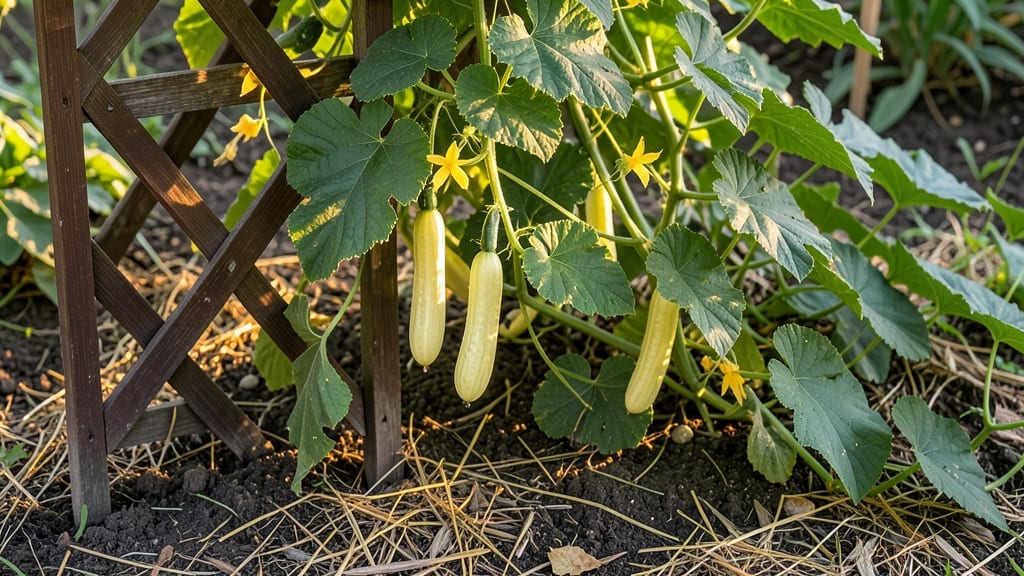
Lemon cucumbers go from seed to harvest in 60-70 days when you nail each growth stage—here’s exactly what to expect at every turn. 🌱 I’ve grown them for years, and the difference between a few bitter fruits and a bountiful harvest comes down to timing, light, and a little patience.
The journey starts with a tiny seed and ends with crisp, tangy cucumbers straight from your garden.
The first 10-14 days are all about germination and those fragile seedlings reaching for the light. You’ll see the first leaves unfurl, followed by the true leaves that signal it’s time to transplant.
Then comes the flowering phase—those delicate yellow blooms mean fruiting is just around the corner, but only if you’ve given them enough water and nutrients. Miss this stage, and you’ll end up with fewer cucumbers.
By week 6, you’ll start spotting tiny cucumbers forming behind the flowers, and that’s when the real magic happens. With proper care, you’ll harvest 1-2 cucumbers per plant per week at their peak—crisp, lemon-flavored, and ready to slice.
The key is consistency: water deeply, prune regularly, and watch for pests that love young vines.
Whether you’re growing in containers or a sunny patch of soil, these stages apply. Indoor growers just need extra light, while outdoor plants benefit from trellises to keep vines off the ground. Follow this timeline, and you’ll go from seed to perfect harvests every season—no guesswork, just delicious results.
📚 In This Guide
- What you need
- Instructions
- Tips and common mistakes
- Wrapping up and next steps
What you need
- ● Seeds or seedlings: Lemon cucumber seeds (e.g., 'Lemon' or 'Sweet Success') or young plants (6–8 per container or 2–3 per square foot in garden beds).
- ● Soil: Well-draining, nutrient-rich potting mix or garden soil (amend with compost for fertility). Quantity: 1–2 cubic feet per plant (or 10–12" deep containers).
- ● Containers (if needed): 5–7 gallon pots with drainage holes (or trellis-compatible fabric grow bags).
- ● Trellis or support: 6–8 ft tall stakes, cages, or netting (lemon cucumbers are vining!).
- ● Fertilizer: Balanced organic fertilizer (10-10-10) or compost tea. Apply: At planting and mid-season.
- ● Watering supplies: Drip irrigation or hose with a gentle spray nozzle (consistent moisture is key!).
- ● Mulch: Straw or shredded leaves (to retain moisture and suppress weeds).
- ● Pruning shears (for managing vines).
- ● Row covers (to protect seedlings from pests early on).
- ● pH test kit (ideal soil pH: 6.0–6.8).
- ● Growth regulator (like seaweed extract) for bushier plants.
- ● Harvest basket (to avoid bruising those delicate cucumbers!).
Understanding lemon cucumber growth stages for perfect harvests
Here's how to track each development phase—so you'll know exactly when to expect vines, flowers, and those prized fruits.
🌱 Step 1: Germination and Early Seedling Development
After planting your seeds at ½ inch deep in warm soil (70-80°F), germination typically occurs within 7-14 days. You'll see the first sign when tiny green shoots push through the soil surface. These initial leaves are called cotyledons—simple, rounded leaves that provide energy for the young plant to grow.
Keep the soil consistently moist but not soggy during this stage. Overwatering can cause the seedlings to rot before they even get a chance to establish. Once the first true leaves appear (they'll look more complex than the cotyledons and resemble the mature plant's foliage), your seedlings are ready for their next growth phase. This usually happens within 10-14 days after germination.
🌿 Step 2: Vegetative Growth and Vine Development
With proper care, your lemon cucumber plants will enter a rapid growth phase, producing 3-5 inches of vine growth per week. This is when you'll see the characteristic tendrils and lobed leaves develop. The vines will start to sprawl, which is why providing a trellis or support system early is crucial—it prevents the plants from becoming tangled and diseased.
Watch for the first appearance of side shoots emerging from the leaf axils. These will become your future fruiting branches. During this stage, your plants need 1-2 inches of water per week and 6+ hours of sunlight daily. You'll know they're thriving when the leaves are deep green and the vines grow vigorously. This phase typically lasts 3-4 weeks after the first true leaves appear.
☀️ Step 3: Flowering and Pollination
When your plants reach 4-6 weeks old, you'll notice small yellow flowers beginning to bloom. Lemon cucumbers are monoecious, meaning they produce both male and female flowers on the same plant. The female flowers will have a tiny cucumber forming at their base, while male flowers will have a slender stem. This is the critical stage for pollination—either by bees or hand-pollination if you're growing indoors.
To encourage pollination, gently shake the plant in the morning or use a small brush to transfer pollen from male to female flowers. You'll know pollination has occurred when the tiny cucumbers at the base of the female flowers begin to swell within 3-5 days. Keep the soil consistently moist during this stage, as stress can cause flowers to drop before setting fruit.
🍉 Step 4: Fruit Development and Maturity
The real excitement begins when those tiny cucumbers start growing rapidly. Lemon cucumbers typically reach harvest size (4-6 inches long) within 50-60 days from planting. You'll know they're ready when the skin turns a vibrant yellow-green and the seeds inside feel firm but not hard when pressed gently with your thumb.
Harvesting regularly encourages more fruit production. Use pruning shears or a sharp knife to cut the cucumbers from the vine, leaving a small stem attached. The skin should be smooth and the fruit should yield slightly to gentle pressure. If left too long on the vine, lemon cucumbers can become seedy and bitter, so check them every 2-3 days during peak production.
⏰ Step 5: Post-Harvest and Plant Care
After the main harvest, your lemon cucumber plants may produce a second flush of fruit, though it will be smaller. Continue to water deeply but reduce frequency as the season progresses. You'll know it's time to let the plant rest when the vines turn brown and the leaves begin to yellow—this usually happens in late summer or early fall, depending on your climate.
To prepare for next season, cut the vines back to the ground and compost the plant material. This helps prevent disease buildup in the soil. With proper care, your lemon cucumber plants will reward you with a bountiful harvest year after year. Keep an eye out for pests like cucumber beetles and treat them promptly to ensure healthy growth in future seasons.
Tips & tricks for perfect lemon cucumber growth
A few strategic insights will help you navigate each growth phase like a seasoned gardener.
Soil Temperature Matters: Maintaining that 70-80°F soil temperature range is crucial during germination. Use a soil thermometer to monitor conditions—especially if you're planting early or late in the season. If your soil runs cooler, consider using a cold frame or black plastic mulch to create a warmer microclimate. Remember, seeds won't germinate below 55°F, so don't plant until your soil warms up properly.
Visual Growth Cues: In Step 2, when your plants are producing 3-5 inches of vine growth per week, look for these key indicators: healthy vines should have deep green, glossy leaves with visible veins, and the tendrils should curl tightly when mature. If you notice yellowing leaves or stunted growth, check your watering schedule—1-2 inches per week is ideal, but ensure proper drainage to prevent root rot. The vines should feel firm to the touch, not mushy.
Pollination Strategy: When your plants reach 4-6 weeks old and begin flowering, create a simple pollination routine: shake the plants gently in the morning for 30 seconds when bees aren't active, or use a small paintbrush to transfer pollen from male to female flowers. This mimics natural pollination and ensures those tiny cucumbers at the base of female flowers will swell within 3-5 days. Keep a close eye on these developing fruits—they're your first sign of successful pollination.
Harvest Timing: For that perfect 4-6 inch lemon cucumber, harvest every 2-3 days during peak production. The skin should be smooth and firm with a vibrant yellow-green hue. Press gently with your thumb—if the seeds feel firm but not hard, it's ready. If you miss this window, cucumbers can become seedy and bitter, so frequent checking pays off. Use pruning shears for clean cuts that won't damage the plant.
Pro Tips for Lemon Cucumber Growth Stages
- A few strategic insights will help you navigate each growth phase like a seasoned gardener.
- Soil Temperature Matters: Maintaining that 70-80°F soil temperature range is crucial during germination.
- If you notice yellowing leaves or stunted growth, check your watering schedule—1-2 inches per week is ideal, but ensure proper drainage to prevent root rot.
Frequently asked questions
Got questions about growing lemon cucumbers?
You’re not alone! Here are some of the most common queries—plus quick answers to help you grow confidently.
How long does it take for lemon cucumbers to mature?
Lemon cucumbers typically reach maturity in 50–65 days from planting, depending on your climate and growing conditions. In warmer regions, they may mature faster (as early as 45 days), while cooler areas could extend the timeline. Check seed packets or plant tags for exact varieties—some dwarf types mature quicker!
Can I harvest lemon cucumbers at different stages?
For small, tender fruit (great for pickling or salads), harvest when they’re 1–3 inches long. Let them grow larger (up to 6 inches) for a milder, sweeter flavor. Overripe cucumbers turn yellow and soft—harvest before that! Regular picking (every 2–3 days) encourages more production.
What’s the best temperature for growing lemon cucumbers?
Lemon cucumbers thrive in warm soil (70–90°F) and air temperatures. They won’t germinate well if soil is below 60°F, so wait until nighttime temps stay above 50°F. If you’re in a hot climate, provide afternoon shade to prevent sunscald. In cooler areas, use black plastic mulch or row covers to extend the season.
Why aren’t my lemon cucumbers flowering?
No flowers? Check these fixes:
- Lack of sunlight: Cucumbers need 6–8 hours of direct sun daily.
- Temperature stress: Too hot (<95°F) or too cold (<55°F) can halt flowering.
- Poor pollination: Hand-pollinate with a small brush if bees are scarce.
- Nutrient deficiency: Add compost or a balanced fertilizer (high in phosphorus).
Can I grow lemon cucumbers in containers?
Yes! Choose a 5-gallon container or larger with drainage holes. Use a lightweight potting mix and a trellis to save space. Dwarf varieties (like ‘Lemon’ or ‘Bush Champion’) work best. Just ensure the container gets full sun and water consistently—containers dry out faster than garden beds.
Wrapping up and next steps
Growing lemon cucumbers is a rewarding journey, and understanding their growth stages—from seed to harvest—sets you up for success. 🌱 Whether you're a beginner or a seasoned gardener, patience and care will yield sweet, tangy rewards.
Now that you know the timeline, take the next step: grab your seeds, prepare your soil, and watch your garden thrive!
- Pro tip: Keep a garden journal to track progress and fine-tune your techniques!