
Flowers
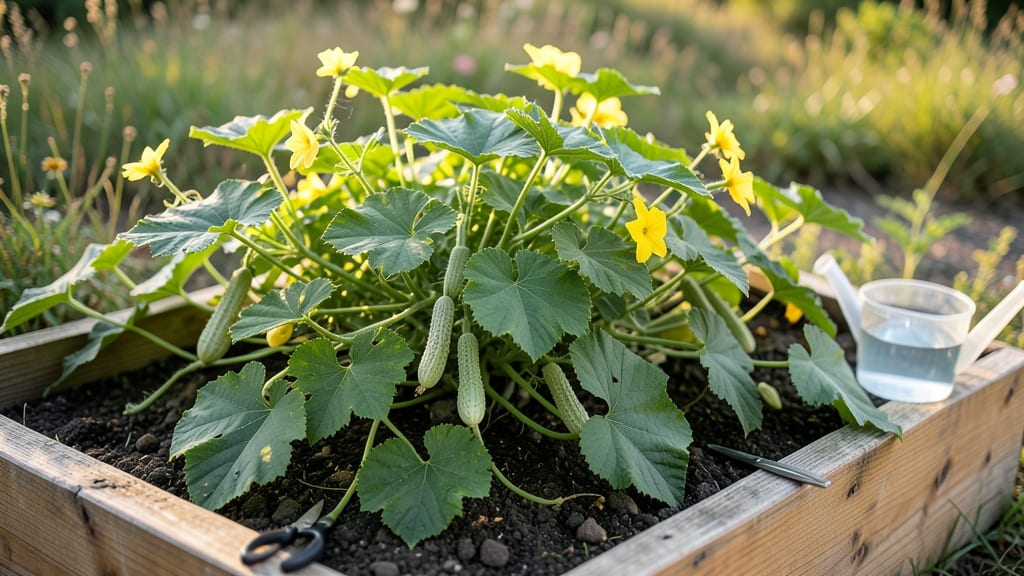
Lemon cucumber flowers aren't just pretty—they're the secret to sweeter fruit and edible blooms for your plate. 🌿 These fragrant yellow blossoms appear after proper pollination, transforming your vines into both a productive harvest and a kitchen garden showstopper.
The key? Understanding when and how to support them for maximum yield.
First, identify the flowers: they're bright yellow, star-shaped, and appear in clusters where fruit will develop. Hand-pollination helps in greenhouses or when bees are scarce—just gently shake vines or use a soft brush to transfer pollen.
Prune strategically too: remove spent blooms to encourage more flowers and keep vines focused on fruit production rather than excess foliage.
You'll notice a difference in just a few weeks—more flowers mean more fruit, and those edible blooms add a citrusy zing to salads or cocktails. The flowers themselves are tender and best harvested in the morning when they're freshest.
Store them briefly in the fridge if you're not using them immediately.
Troubleshooting poor flowering? Check for consistent watering, adequate sunlight (6+ hours daily), and balanced fertilizer. Over-fertilizing with nitrogen can lead to leafy growth at the expense of flowers. With the right care, your lemon cucumbers will reward you with both beauty and bounty all season long.
📚 In This Guide
- What you need
- Instructions
- Tips and common mistakes
- Wrapping up and next steps
What you need
- ● Lemon cucumbers (or regular cucumbers + lemon zest) – 2 medium cucumbers (organic preferred for best flavor and safety).
- ● Fresh lemon juice – 2 tbsp (for acidity and preservation).
- ● Edible flowers – 1 cup (choose from nasturtiums, pansies, or borage—ensure they’re pesticide-free and safe for consumption).
- ○ Honey or simple syrup – 1 tbsp (optional for sweetness, but helps bind flavors).
- ● Water – ¼ cup (for hydrating the flowers and cucumber mixture).
- ● Sharp paring knife or peeler – For thinly slicing cucumbers and removing seeds.
- ● Mixing bowl – A medium-sized bowl for combining ingredients.
- ● Whisk or fork – To gently blend the mixture without crushing the flowers.
- ○ Fine-mesh strainer (optional) – Helps drain excess liquid if the flowers absorb too much.
- ○ Small saucepan (optional) – For heating water to make a simple syrup.
- ● Tweezers or small tongs – For delicately placing flowers on garnishes or salads.
- ● Fresh mint or basil leaves – 4-5 leaves, finely chopped (adds a bright herbal note).
- ● Sea salt or flaky salt – A pinch (enhances the cucumber’s natural sweetness).
- ● Edible glitter or gold leaf – For a luxurious touch on cocktails or desserts.
- ○ Clear gel food coloring (optional) – A drop of lemon-yellow for a vibrant hue (use sparingly!).
Step-by-step guide to growing lemon cucumber flowers for edible blooms
Here's how to coax those fragrant, zesty flowers from your lemon cucumber plants—ready for salads and cocktails.
🌱 Step 1: Select and Plant Lemon Cucumber Seeds
Start with lemon cucumber seeds (like 'Lemon' or 'Bush Champion') in 4-inch pots filled with sterile seed-starting mix. Press seeds ½ inch deep—they need darkness to germinate. I like to use biodegradable pots so I can transplant without disturbing roots later. Keep the soil consistently moist but not soggy at 70-75°F until sprouts appear in 7-10 days.
Once seedlings show first true leaves (the second set after the initial cotyledons), harden them off by moving them to bright indirect light for a week. This prevents shock when they hit the garden. Lemon cucumbers are heat-loving, so wait until nighttime temps stay above 55°F before transplanting outdoors.
☀️ Step 2: Provide Optimal Growing Conditions
Plant in full sun (at least 8 hours daily) with support structures like trellises or cages—lemon cucumbers vine aggressively. I use 5-gallon fabric grow bags for better drainage and root health. Space plants 18-24 inches apart to allow airflow, which prevents fungal diseases that can ruin blooms.
Water at the base (not leaves) to keep soil evenly moist—lemon cucumbers need 1-1.5 inches weekly, more in heat. Mulch with straw to retain moisture and suppress weeds. The key to fragrant flowers? Balanced fertility. Feed every 2-3 weeks with a low-nitrogen, high-phosphorus fertilizer (like 5-10-10) to encourage blooming over leafy growth.
🌿 Step 3: Encourage Flower Production
Lemon cucumbers bloom prolifically when they get consistent warmth and sunlight. If flowers appear but drop off, it’s often due to stress—check for underwatering, pests, or sudden temperature swings. I hand-pollinate stubborn plants by gently tapping blooms with a small brush to release pollen.
Harvest young leaves and tendrils occasionally to redirect energy into flowers. You’ll know you’re on track when bright yellow blossoms open in 4-6 weeks after transplanting. These are your edible stars—pick them early in the morning when flavors are most intense. Use clean scissors to snip stems just above a leaf node to encourage more blooms.
✂️ Step 4: Harvest and Use Flowers
Harvest flowers when fully open but still vibrant—they’ll last 3-5 days in the fridge. Rinse gently under cool water to remove pests, then pat dry with a paper towel. Store in a sealed container lined with a damp paper towel to maintain freshness. For cocktails, infuse spirits with flowers for 24 hours—they’ll release their citrusy aroma beautifully.
In salads, use 1-2 flowers per serving as a garnish or lightly toss with greens. Their lemony, slightly peppery flavor pairs well with goat cheese, mint, and citrus vinaigrettes. If you miss the harvest window, dry flowers on a wire rack for 1-2 days to preserve their essence for teas or winter dishes.
Tips & tricks for perfect lemon cucumber blooms
The secret to vibrant, fragrant lemon cucumber flowers lies in these small but critical details that make all the difference between a modest harvest and a bountiful display.
Germination Conditions: The 70-75°F soil temperature range is non-negotiable for reliable germination. I've found that placing pots on a seedling heat mat set to 75°F speeds up sprouting to exactly 7-10 days. If your home stays cooler, consider using a clear plastic dome over the pots to create a mini greenhouse effect while maintaining that critical temperature. Remember, darkness is key during germination—keep pots covered until you see those first little sprouts breaking through.
Transplanting Timing: The nighttime temperature threshold of 55°F isn't just arbitrary—it's when lemon cucumbers truly start thriving. I wait until late May in my zone 6 garden before transplanting, even if daytime temps are perfect. Cold nights can shock the plants, causing them to drop flowers prematurely. For container growers, move pots to a sheltered location if nighttime temps dip below 55°F, especially during the first two weeks after transplanting.
Flower Preservation: Those bright yellow blossoms are delicate but worth the effort. For maximum freshness after harvest, I've developed a quick preservation method: immediately after rinsing, gently blot the flowers with a paper towel, then place them in a single layer on a clean kitchen towel. Store in an open container in the fridge—this prevents moisture buildup that causes flowers to wilt faster. The damp paper towel trick in the sealed container isn't just for show; it maintains the flowers' vibrant color and lemony aroma for those crucial 3-5 days.
Pro Tips for Lemon Cucumber Flowers
- The secret to vibrant, fragrant lemon cucumber flowers lies in these small but critical details that make all the difference between a modest harvest and a bountiful display.
- Germination Conditions: The 70-75°F soil temperature range is non-negotiable for reliable germination.
- Transplanting Timing: The nighttime temperature threshold of 55°F isn't just arbitrary—it's when lemon cucumbers truly start thriving.
Frequently asked questions
Got questions about growing or using lemon cucumber flowers? You’re not alone! Here are answers to the most common queries to help you bloom with confidence.
Can I grow lemon cucumber flowers in containers?
Lemon cucumbers thrive in containers as long as they have at least 5-gallon pots with drainage holes. Choose a lightweight variety like ‘Lemon’ or ‘Sweet Success’ for better success. Just ensure they get 6–8 hours of sunlight daily and keep the soil consistently moist.
How long does it take for lemon cucumber flowers to bloom?
With the right care, you’ll see delicate yellow flowers in 4–6 weeks after planting, especially in warm climates (zones 9–11). In cooler areas, start seeds indoors 6–8 weeks before the last frost for a head start. Patience pays off—harvest flowers in the morning for peak fragrance!
Are lemon cucumber flowers safe to eat raw?
Yes! These edible blooms are mildly citrusy and slightly sweet, perfect for garnishing salads, cocktails, or desserts. Just rinse gently to remove pesticides and trim the base. Avoid flowers sprayed with herbicides. Pro tip: Pair them with honey or mint for a refreshing twist!
What do I do if my lemon cucumber flowers wilt or drop?
Wilting or dropping flowers usually mean stress—check for overwatering, underwatering, or heat stress. Ensure soil stays evenly moist (not soggy) and provide afternoon shade in hot climates. If flowers drop, focus on fruit production—they’ll return next season!
What’s a good alternative if I can’t grow lemon cucumbers?
Try edible flowers like nasturtiums (peppery, vibrant), pansies (mild sweetness), or borage (cucumber-like flavor). For a citrusy kick, citrus blossoms (like orange or lime) work too! Check local nurseries for pesticide-free options.
Wrapping up and next steps
Exploring the world of edible flowers like lemon cucumber flowers opens up a delicious and fragrant adventure for your kitchen! 🌸 Whether you’re garnishing salads, brightening cocktails, or simply adding a zesty twist to dishes, these blooms bring both beauty and flavor.
Now that you’re equipped with the know-how, why not start experimenting? Try growing your own or sourcing them fresh to elevate your next culinary creation—your taste buds (and guests!) will thank you.
Next step: Grab a bouquet of lemon cucumber flowers and let your creativity bloom! 🌿