
Featured
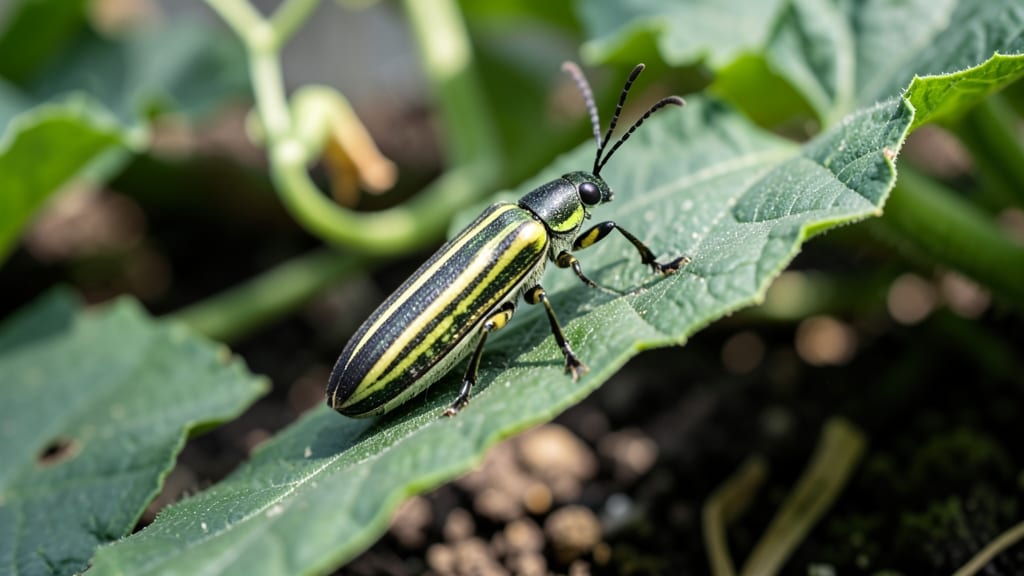
The insects that eat cucumber leaves—like cucumber beetles, aphids, and spider mites—can turn your thriving vines into skeleton leaves in days. 🌱 I’ve watched entire plants collapse when these tiny invaders strike—until I learned their life cycles and how to outsmart them before they multiply.
The first sign is usually chewed leaves or sticky residue, but by then it’s often too late. Early detection means checking undersides of leaves daily and removing eggs by hand when you spot them.
The good news? Most of these pests have natural predators too—ladybugs, lacewings, and parasitic wasps—that can help reclaim your garden if you give them a chance.
📚 In This Guide
- What you need
- Instructions
- Tips and common mistakes
- Wrapping up and next steps
What you need
- ○ Magnifying glass or hand lens – A 10x magnification lens helps spot tiny insects and their damage up close. (Optional: A USB microscope for even closer inspection.)
- ● Notebook and pen – For recording observations, dates, and insect activity. A waterproof notebook is ideal for outdoor use.
- ● Small containers or jars – 2–3 clear plastic or glass jars (8–12 oz) with lids for capturing or transporting insects for closer study.
- ● Tweezers or forceps – Fine-tip tweezers (5-inch length) for gently picking up insects without harming them.
- ● Spray bottle with water – A 16-oz misting bottle for rinsing off leaves or diluting natural sprays.
- ● Garden gloves – Nitrile or cotton gloves to protect your hands from prickly plants or irritating insects.
- ● Pruning shears – Bypass pruners for trimming heavily infested leaves (sterilize with rubbing alcohol between uses).
- ● Insect identification guide or app – A printed guide (e.g., National Geographic Field Guide to Insects) or a free app like iNaturalist or PictureThis for quick ID help.
- ● Yellow sticky traps – 2–4 traps (12x16 inches) to monitor flying insect activity near cucumber plants.
- ● Neem oil or insecticidal soap – 16-oz bottle for non-toxic treatment if pests are overwhelming.
- ● Beneficial insect habitat – A small mesh cage or predator-friendly plants (like dill or marigolds) to attract natural predators.
- ● Camera or smartphone – For documenting damage or sharing findings with gardening communities.
- ● Soap and water solution – Mix 1 tbsp mild dish soap + 1 quart water in a spray bottle for a quick rinse-off treatment.
How to identify and manage common cucumber leaf-eating insects
Cucumber plants are a magnet for hungry pests—here’s how to spot the troublemakers and take action before they strip your vines bare.
🐛 Step 1: Spot the Culprits by Visual Clues
Start by examining your cucumber leaves closely. Cucumber beetles (yellow or striped) leave jagged, irregular holes and feed on both leaves and flowers. Look for tiny, skeletonized patches where only the leaf veins remain. Aphids, on the other hand, cluster on the undersides of leaves, creating sticky honeydew residue and curling the foliage. If you see chewed edges with smooth, ragged bites, slugs or snails are likely the culprits, especially after rain.
Check the soil surface too—cutworms hide during the day but emerge at night to devour entire leaves, leaving only the midrib. Early morning inspections are key. If you spot tiny, white, moth-like adults fluttering near the plants, their larvae (loopers) will soon follow, stripping leaves overnight. Each pest leaves a distinct signature, so don’t assume—inspect carefully.
🌿 Step 2: Use Physical Barriers for Immediate Protection
For cucumber beetles and loopers, wrap the lower stems of young plants with floating row covers (the lightweight fabric from your supplies). Secure the edges with soil or bricks to prevent pests from crawling underneath. This blocks adult beetles and moths from laying eggs while allowing sunlight and water to reach the plants. I’ve found that removing covers temporarily for pollination (if growing for fruit) works best during peak bloom hours when bees are active.
For slugs and snails, create a diatomaceous earth barrier around the base of plants. Sprinkle a ½-inch band of the powder in a circle, reapplying after rain. The microscopic particles dehydrate their slimy bodies on contact. Avoid overapplying—just enough to form a visible line. Pair this with beer traps (use the 1 cup of beer from your supplies) in shallow dishes buried at soil level. Slugs are drawn in and drown overnight.
💧 Step 3: Apply Targeted Organic Sprays
For aphids, mix the 1 tablespoon of neem oil with 1 teaspoon of dish soap and 1 quart of water in your spray bottle. Shake well and apply directly to the undersides of leaves where aphids hide. Reapply every 3-4 days until the infestation clears, focusing on new growth. Neem disrupts their life cycle and deters future attacks. I’ve seen heavy infestations vanish within 5-7 days of consistent spraying, but persistence is key—miss a day, and they’ll return.
To combat cucumber beetles, use the 1 tablespoon of kaolin clay mixed with 1 gallon of water. Spray the solution onto leaves in the early morning or late evening to avoid harming pollinators. The clay creates a protective film that beetles avoid. For stubborn cases, add 1 teaspoon of hot pepper wax to the mix—it repels beetles without harming beneficial insects. Always test sprays on a few leaves first to check for sensitivity.
✂️ Step 4: Introduce Natural Predators for Long-Term Control
Invite ladybugs and lacewings to your garden by planting dill or fennel nearby—they attract these aphid-eating allies. Release 5-10 ladybugs per plant at dusk when they’re least active. For parasitic wasps, which target caterpillars like loopers, hang 1-2 yellow sticky traps (from your supplies) near the cucumber patch. These wasps lay eggs inside looper larvae, killing them from within. Avoid placing traps too close to beneficial insects’ nesting sites.
Encourage ground beetles by leaving leaf litter around the base of plants. These voracious predators feast on cutworm eggs and young larvae. If you spot praying mantises, leave them be—they’re cucumber leaf devourers too. For slug control, release nematodes (the 1 packet from your supplies) into the soil during damp evenings. They seek out and paralyze slugs within 48 hours, making them a silent but effective solution.
🌱 Step 5: Prevent Future Infestations Through Garden Hygiene
Remove and destroy damaged leaves immediately—don’t compost them. Pests like cucumber beetles overwinter in plant debris, so clear all cucumber vines at season’s end. Rotate crops next year; don’t replant cucumbers or squash in the same spot for at least 3 years. This breaks the life cycle of soil-borne pests. I’ve also found that interplanting cucumbers with marigolds deters beetles with their strong scent—try 3-4 marigold plants per cucumber patch for natural repulsion.
Water cucumbers at the base, not overhead, to reduce slug activity and fungal diseases that weaken plants. Mulch with straw to keep soil moist and discourage beetles from laying eggs. Inspect new plants before transplanting—quarantine any with visible pests for 48 hours to prevent spreading them to your garden. A little vigilance now saves hours of cleanup later.
Tips & tricks for spotting and stopping cucumber leaf-eaters
Here's what I've learned from years of battling cucumber leaf pests—these tricks will help you stay ahead of the damage.
Timing is Everything: Early morning is the best time to spot cutworms and slugs because they're most active then. I've saved entire cucumber plants by catching cutworms before they could do real damage. For loopers, check your plants at dusk when the moths are most likely to lay eggs. This proactive approach means you can act before the larvae become a major problem.
Layered Defense Works Best: Don't rely on just one method. Combine the floating row covers from Step 2 with the kaolin clay spray from Step 3 for cucumber beetles. The covers block the adults while the clay deters them from landing. For slugs, pair the diatomaceous earth barrier with beer traps—this creates a multi-pronged attack that covers all their escape routes. I've seen infestations completely vanish when using this layered approach.
Natural Predator Placement Matters: When releasing ladybugs or nematodes, timing and location are key. Release ladybugs at dusk when they're least active and place them directly on aphid-infested leaves. For nematodes, apply them to damp soil during the evening when slugs are most active. I've found that applying nematodes right after watering helps them move more effectively through the soil to find their targets.
Prevention Pays Off: The quarantine tip in Step 5 is crucial—always inspect new plants before bringing them into your garden. I've caught multiple infestations before they could spread by isolating suspicious plants for 48 hours. This simple step has saved me countless hours of cleanup later in the season. Remember that prevention is always easier than cure when dealing with garden pests.
Pro Tips for Insects That Eat Cucumber Leaves
- Here's what I've learned from years of battling cucumber leaf pests—these tricks will help you stay ahead of the damage.
- Timing is Everything: Early morning is the best time to spot cutworms and slugs because they're most active then.
- Layered Defense Works Best: Don't rely on just one method.
Frequently asked questions
What are the most common insects that eat cucumber leaves?
The top culprits include cucumber beetles (striped and spotted varieties), aphids, cabbage loopers, slugs, and Japanese beetles. These pests can strip leaves in days if left unchecked. Early identification is key—check undersides of leaves and stems for eggs or chewed edges.
When is the worst time of year for cucumber leaf pests?
Peak activity occurs during late spring to early summer when temperatures rise and cucumbers start vining. Cucumber beetles thrive in warm, humid conditions, while aphids explode in populations during rapid plant growth. Monitor plants closely after transplanting or when flowers appear.
What’s the best natural way to protect cucumber leaves from insects?
Start with row covers (lightweight fabric) to block beetles and loopers. Introduce beneficial insects like ladybugs or parasitic wasps for aphids. For slugs, use copper tape or beer traps. Neem oil or kaolin clay can deter chewing insects without harming pollinators.
Will insect damage still let my cucumbers grow and produce fruit?
Yes, but heavy defoliation stresses plants. If only a few leaves are eaten, cucumbers often recover. However, cucumber beetles can transmit bacterial wilt—remove infected plants immediately. Focus on protecting young leaves and flowers, as these are critical for fruit development.
What should I do if my cucumber plants are already heavily damaged?
Act fast! Prune severely damaged leaves to redirect energy to new growth. Apply compost or fish emulsion to boost recovery. For beetles or loopers, handpick adults or use soapy water sprays at dusk. If bacterial wilt is suspected, destroy the plant and rotate crops next season.
Pro Tip:
Rotate planting locations yearly to disrupt pest life cycles. Interplant cucumbers with marigolds or basil—these repel many leaf-eating insects naturally!
Wrapping up and next steps
Identifying and understanding the insects that eat cucumber leaves can be a game-changer for your garden! 🌱 From voracious cucumber beetles to sneaky aphids, these pests may seem like a nuisance, but they also offer opportunities to learn and adapt.
By recognizing their signs early and using natural or organic solutions, you can protect your plants while keeping your garden thriving.
Ready to take action? Start by inspecting your cucumber plants regularly and implementing a few of the strategies mentioned—whether it’s introducing beneficial predators like ladybugs or using homemade sprays. Your green thumb is stronger than you think! 💪