
How To
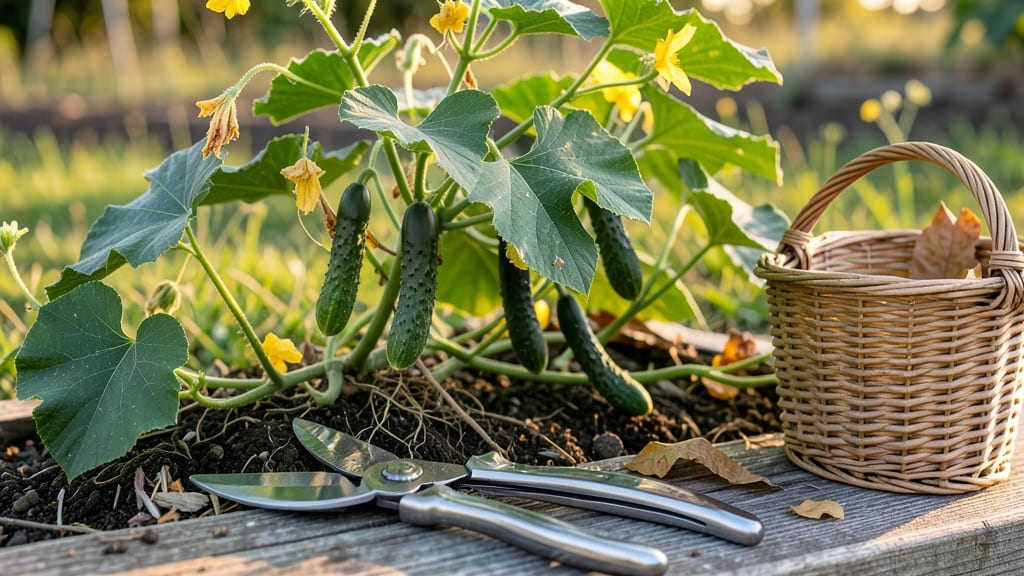
To tell when cucumbers are ready for harvest, focus on size, color, and a simple thumb test—these three clues will transform your garden into a steady supply of crisp, flavorful 🥒.
Picking cucumbers at the perfect moment means the difference between crunchy, flavorful bites and bland, seedy disappointments—here’s how to master the timing like a pro gardener.
Most gardeners miss the window because they rely on size alone, but color and texture play just as big a role. A 6-inch cucumber with a yellow stem end is ready now, while one that’s 8 inches but still firm may need a few more days.
Below, I’ll break down the exact visual and tactile cues—plus how to adjust for slicing, pickling, or bush varieties—so you never harvest too early or too late again.


The ultimate cucumber ripeness guide: size, color & texture tricks
Mastering the art of picking cucumbers at peak ripeness transforms your harvest from bland to burstingly fresh. The key lies in combining size, color shifts, and a simple thumb test—each clue reveals whether your cucumber is ready for slicing, pickling, or eating fresh.
I’ve grown cucumbers for years, and these tricks have saved me from overripe, seedy disappointments every summer.
Most gardeners focus only on size, but color changes and skin texture are equally critical. A cucumber’s stem end, for example, shifts from vibrant green to yellow when it’s ready—this subtle detail often gets overlooked.
Meanwhile, the firmness test (using your thumb) separates perfect cucumbers from those that are past their prime. Let’s break down each method so you can harvest like a pro.
| Ripeness Indicator | Slicing Cucumbers | Pickling Cucumbers | Overripe Warning |
|---|---|---|---|
| Size Range | 6–8 inches | 1–3 inches (smaller) | 10+ inches (brittle) |
| Stem End Color | Yellow (stopped growing) | Green or slight yellow | Brown/dry (rotting) |
| Skin Texture | Slightly bumpy, tender | Smooth, firm | Soft, wrinkled |
| Thumb Test | Gives slightly (like a ripe avocado) | Firm but not hard | Mushy or hollow-sounding |
| Seed Development | Small, soft seeds | Tiny or none | Large, hard seeds |
Start with size—most slicing cucumbers hit their prime at 6–8 inches long. For pickling varieties like Boston Pickling, aim for 1–3 inches—they’re sweeter and crunchier when smaller. Pro tip: Measure from the stem end to the blossom end (the bulbous tip) for accuracy.
I’ve found that underripe cucumbers (under 4 inches) often lack flavor, while oversized ones (10+ inches) turn seedy and bitter.
Next, check the stem end color. A vibrant green stem means your cucumber is still growing—wait a day or two. But when it turns yellow, that’s your cue to harvest. This shift signals the cucumber has stopped growing and reached peak sweetness.
For variegated varieties like Lemon Cucumber, look for stripes to darken slightly—this indicates ripeness too. Overlooking this detail once cost me an entire batch of cucumbers that turned mealy overnight.
The thumb test is my favorite trick because it’s foolproof. Press your thumbnail into the cucumber’s skin near the blossom end. If it leaves a slight dent but doesn’t puncture, it’s ready. For slicing types, the skin should feel tender but firm—like a ripe peach.
Pickling cucumbers should feel firmer, almost crisp, to handle the brining process. Avoid cucumbers that feel hard (underripe) or mushy (overripe), as these will ruin your dishes.
Don’t forget to inspect the blossom end (the bulbous tip). It should be slightly soft and rounded, not hard or shriveled. A hard blossom end often means the cucumber was harvested too early, while a shriveled one signals overripeness.
I also check for surface bumps—small, raised areas are normal, but large, soft spots indicate rot. These clues help me avoid wasting cucumbers that might spoil within days.
For heirloom or specialty varieties, like Armenian Cucumbers or English Horned, ripeness cues can vary. These often mature longer (up to 10–12 inches) and may develop a waxy sheen when ready. Always refer to the seed packet for variety-specific guidance.
My Persian Cucumbers, for example, stay small (4–6 inches) and sweetest when harvested at golden-green—a color shift I learned to watch for after my first failed batch.
Harvesting at the right time isn’t just about flavor—it’s about encouraging more production. Cucumbers are prolific, but they’ll focus energy on fewer fruits if left on the vine too long. I pick mine every 2–3 days during peak season to keep the plants productive.
Overripe cucumbers also attract pests like cucumber beetles, which can devastate your crop. By mastering these ripeness tricks, you’ll enjoy a steady supply of fresh, flavorful cucumbers all summer long.
One common mistake I see is waiting until cucumbers are too large before picking. While some varieties (like Long English) can grow up to 12 inches, most slicing types peak at 6–8 inches. Waiting too long leads to seedy, bitter cucumbers that even pickling can’t save.
The same goes for color: A deep green hue is ideal for slicing, but pickling cucumbers should stay lighter green. Always match your harvesting to the variety’s intended use.
Finally, store your freshly picked cucumbers properly to preserve their crunch. Place them in the fridge (not the crisper drawer) in a paper towel-lined container to prevent moisture buildup. I’ve found that cucumbers
Common mistakes that ruin your cucumber harvest (and how to avoid them)
Even experienced gardeners fall into the trap of harvesting cucumbers too early or letting them linger on the vine too long. Overripe cucumbers turn bitter and seedy, while underripe cucumbers lack flavor and crunch.
The key is understanding the subtle differences between slicing varieties and pickling varieties, which mature at different rates.
One of the biggest mistakes I see is waiting until cucumbers are fully yellow or spotted before picking—this is a sure sign of overripeness. Slicing cucumbers should be harvested when they're still dark green and firm, while pickling cucumbers can tolerate slightly larger sizes but still need to be firm and crisp.
Let's break down the warning signs and how to adjust your harvesting schedule.
🚨 How to Tell When Cucumbers Are Ready
Check the stem end: A yellow stem end means the cucumber has stopped growing. Green stem ends indicate it's still growing.
Thumb test: Press gently with your thumbnail. Ready cucumbers should yield slightly but not feel mushy. Overripe ones will feel soft or squishy.
Size matters: Slicing types (6-8 inches), pickling types (2-3 inches). Never harvest by color alone—some varieties stay green even when ripe!
Waiting too long to harvest is especially damaging to slicing cucumbers, which develop bitterness as they mature. The longer they stay on the vine, the more cucurbitacin (a natural compound) builds up, turning your fresh cucumber salad into a bitter disappointment.
I once left a batch of slicing cucumbers on the vine for 10 days, and they were inedible—don’t make my mistake!
On the flip side, harvesting too early means you're missing out on the peak flavor window. Pickling cucumbers can handle a slightly longer wait, but even they lose crispness if left too long.
The best approach? Check your plants every 2-3 days during peak production months (June-August). For bush varieties, this might mean harvesting every 1-2 days, while vining types can handle slightly longer intervals.
Another common error is assuming all cucumbers ripen at the same rate. English cucumbers (long and ribbed) and Persian cucumbers (small and seedless) mature faster than standard slicing types.
I learned this the hard way when I tried to harvest my Persian cucumbers using the same schedule as my slicing varieties—resulting in a mix of overripe and underripe produce. Always research your specific variety’s ideal harvest window!
To keep your cucumbers producing at their best, harvest consistently and remove overripe fruit immediately. This encourages the plant to focus on producing new cucumbers rather than letting old ones rot. A quick morning harvest (before 10 AM) gives you the freshest cucumbers and keeps your plants healthy.
Pro tip: Use a pair of clean pruning shears or a sharp knife to avoid damaging the vines.
Remember, the goal is crisp, flavorful cucumbers that are ready when you need them. By paying attention to stem color, size, and texture, you’ll avoid the most common pitfalls and enjoy a bountiful harvest all season long. Happy harvesting! 🥒