
Picking
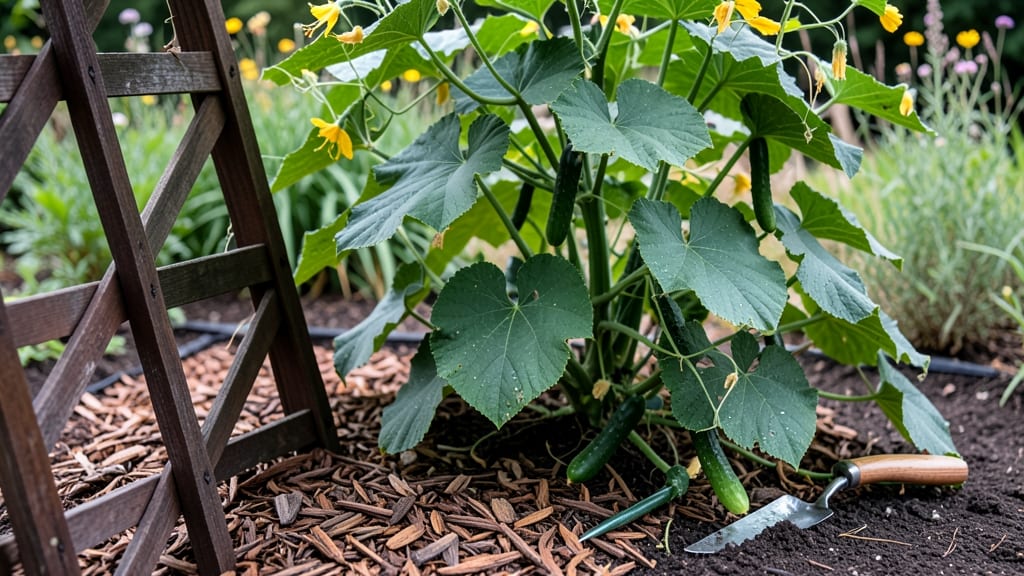
Raising cucumbers on a trellis turns chaotic vines into a neat, productive vertical garden that saves space and produces more fruit. 🌱 I learned the hard way—last year's sprawling plants took over half my patio, and the fruit sat on the ground, rotting before harvest. This method changed everything.
The secret isn’t fancy equipment—just a sturdy trellis (even a simple A-frame works), well-draining soil, and consistent watering. You’ll need about 3-4 feet of vertical space per plant, and cucumbers will climb like jungle vines, sending out 10-15 pound harvests instead of struggling in the dirt.
By mid-summer, your trellis will be heavy with crisp, straight cucumbers—no more curled, bitter fruit from touching the ground. The vines stay cleaner, pests have fewer hiding spots, and you’ll pick 30-50% more than with traditional ground planting. Works for patios, balconies, or small backyards.
Here’s how to set it up without the mess.
📚 In This Guide
- What you need
- Instructions
- Tips and common mistakes
- Wrapping up and next steps
What you need
- ● Cucumber Seeds or Seedlings: 5–10 seeds (if starting from seed) or 3–5 seedlings (if buying plants)
- ● Tip: Choose bush varieties (like 'Bush Champion') for compact growth or vining types (like 'Straight Eight') for trellising.
- ● Trellis or Support System: 1–2 5–6 ft tall trellises (A-frame, vertical net, or sturdy stakes)
- ● Twine or soft plant ties (1–2 rolls, 10–15 ft each)
- ● Growing Space: Container: 5-gallon pot or larger (for each plant) with drainage holes
- ● OR Garden bed: 3–4 ft wide rows (space plants 12–24" apart)
- ● Soil & Fertilizer: Well-draining potting mix (for containers) or loamy garden soil (amend with compost)
- ● Balanced fertilizer (5-10-10 or compost tea) at planting time
- ● Watering Supplies: Watering can or hose with gentle spray nozzle
- ○ Drip irrigation system (optional but helpful)
- ● Mulch: Straw or black plastic to retain moisture and suppress weeds.
- ● Pruning shears: For trimming vines (if growing long varieties).
- ● Row covers: Lightweight fabric to protect seedlings from pests.
- ● Harvest basket or scissors: For easy picking!
Step-by-step instructions for growing cucumbers vertically
Here's my foolproof method for growing 4 vigorous cucumber plants in tight spaces using trellises.
🪴 Step 1: Select and Prepare Your Trellis System
Choose a freestanding A-frame trellis or wall-mounted vertical garden that's at least 6 feet tall—cucumbers need vertical space to climb and produce straight, blemish-free fruits. I prefer metal or sturdy wooden frames because they won’t sag under the weight of heavy vines. Install your trellis in a location with full sun exposure (6-8 hours daily) and partial afternoon shade to prevent leaf scorch.
If using a wall-mounted system, secure it with galvanized screws into studs or use heavy-duty brackets for wind resistance. For freestanding trellises, bury the base 6 inches deep or anchor with stakes and twine to prevent tipping. This ensures your plants have stable support as they grow—nothing worse than watching a trellis collapse mid-season.
🌱 Step 2: Plant Cucumbers at the Base of the Trellis
Dig 4 planting holes, each 12 inches wide and deep, spaced 3-4 feet apart at the base of your trellis. Cucumbers have sprawling root systems, so give them room to establish before training vines upward. Amend the soil with 2-3 inches of compost to improve drainage and fertility—cucumbers are heavy feeders and reward rich soil with bigger yields.
Place 1 cucumber seedling (or 2-3 seeds per hole if starting from seed) in each hole, burying the stem up to the first set of true leaves. This encourages stronger root development. Water deeply to settle the soil, then apply a 2-inch layer of mulch around the base to retain moisture and suppress weeds. Avoid piling mulch against the stems—keep it 2 inches away to prevent rot.
☀️ Step 3: Train Vines Upward and Provide Support
As vines reach 6-8 inches tall, gently weave them through the trellis using soft plant ties or old fabric strips. Avoid wire or plastic ties—they can damage tender stems. Cucumbers grow fast, so check daily and guide new growth upward. You’ll see tendrils (spiral structures) at the stem tips—these grab the trellis naturally, but a little help ensures even distribution.
Prune side shoots that form below the first 6 inches of the main vine to direct energy upward. Remove any yellow or diseased leaves immediately—cucumbers are prone to powdery mildew, and removing infected foliage early prevents spread. By 4-6 weeks, your vines should reach the top of the trellis, and you’ll start seeing flower buds forming along the stems.
💧 Step 4: Water and Fertilize for Maximum Yield
Water deeply 2-3 times per week, aiming for 1-1.5 inches of water per session. Cucumbers have shallow roots and wilt quickly when dry, so drip irrigation or a soaker hose at the base is ideal. Water in the early morning to reduce disease risk—wet leaves overnight invite fungal issues. You’ll know you’re doing it right when the soil feels moist 2 inches down but not soggy.
Feed plants every 2-3 weeks with a balanced liquid fertilizer (10-10-10) or a compost tea for organic growth. Stop fertilizing 2 weeks before harvest—too much nitrogen late in the season leads to leafy growth at the expense of fruit. Watch for yellowing leaves, which often signal nutrient deficiency or overwatering. Adjust accordingly—cucumbers are forgiving but need consistency.
✂️ Step 5: Harvest and Maintain Through the Season
Start harvesting when fruits reach 6-8 inches long for slicing cucumbers or 8-10 inches for pickling varieties. Use pruning shears to cut stems ¼ inch above the fruit—this encourages more production. Check vines every 2-3 days in peak season; unharvested cucumbers shrink the plant’s energy and reduce future yields. Store harvested cucumbers in the fridge for up to 1 week to maintain crispness.
Continue pruning dead or overcrowded vines weekly to improve airflow. By late summer, you’ll see yellowing leaves as the plant prepares for dormancy. At this point, reduce watering but keep the soil lightly moist. If frost threatens, harvest any remaining fruits—cucumbers won’t survive below 32°F, but you’ll still get a few more harvests before the season ends.
Tips & tricks for perfect vertical cucumber cultivation
Transforming your garden into a vertical cucumber haven isn't just about saving space—it's about maximizing yield and plant health. Here's what I've learned from years of trellis gardening that'll help you avoid common pitfalls and get the most from your vertical setup.
Trellis Stability is Non-Negotiable: The 6-foot height requirement isn't arbitrary—it's the minimum needed to support cucumber vines at their heaviest when fruits are developing. I've seen trellises collapse under the weight of just 2-3 mature cucumbers. For extra security, add diagonal cross-bracing if your trellis lacks it. This creates a more rigid structure that won't sway in wind or bow under fruit weight. The key is to secure your trellis before planting, not after the vines have already started climbing.
Soil Preparation Makes All the Difference: While the instructions call for 2-3 inches of compost, I recommend going deeper—especially if your soil is sandy or clay-heavy. Amend the planting holes with a 6-inch layer of compost mixed with a handful of worm castings. This extra boost gives cucumbers the phosphorus they need for strong root development and fruit production. The 12-inch hole depth isn't just about roots—it also prevents surface compaction that can strangle young roots as they expand.
Watering Wisdom for Vertical Plants: The 2-3 times per week recommendation works for most climates, but I've found that vertical cucumbers actually need slightly more frequent watering than ground plants. Their roots are concentrated near the base, making them more susceptible to drying out. Instead of sticking to a schedule, check soil moisture daily during hot spells—aim for that 2-inch depth to stay consistently moist. Morning watering is crucial, but I also recommend a light evening watering during peak summer heat to help prevent afternoon wilting that can stress the vines before they've had time to recover.
Pruning Strategy for Maximum Yield: When pruning side shoots below the first 6 inches, don't be overly aggressive—leave 2-3 strong side shoots to develop. These can become secondary vines that produce additional fruits. The key is to monitor growth weekly and remove only the weakest shoots. I've found that plants with 2-3 main stems actually produce more consistently than those with just one. Also, watch for male flowers (they have a long stem with no swelling at the base) and remove them—they waste plant energy that could go toward female flowers that produce fruit.
Pro Tips for Raise Cucumbers
- Transforming your garden into a vertical cucumber haven isn't just about saving space—it's about maximizing yield and plant health.
- Trellis Stability is Non-Negotiable: The 6-foot height requirement isn't arbitrary—it's the minimum needed to support cucumber vines at their heaviest when fruits are developing.
- Soil Preparation Makes All the Difference: While the instructions call for 2-3 inches of compost, I recommend going deeper—especially if your soil is sandy or clay-heavy.
Frequently asked questions
Got questions about growing cucumbers? You’re not alone! Here are some of the most common queries—plus quick answers to help you grow like a pro.
How long does it take for cucumber plants to produce fruit?
With the right care, cucumbers typically start producing fruit 50–70 days after planting (depending on the variety). Trellised plants often yield faster since vines stay healthy and focused on fruiting. Keep an eye out for those first baby cucumbers—harvest them early to encourage more production!
Why are my cucumber leaves yellowing or curling?
Yellowing leaves usually signal overwatering, nutrient deficiency (like nitrogen), or pests (e.g., aphids or cucumber beetles). Check soil moisture—cucumbers prefer consistent but not soggy conditions. For curling, inspect the undersides of leaves for pests or check for powdery mildew (a white, dusty fungus). Prune affected areas and improve airflow.
Can I grow cucumbers in containers or small spaces?
Bush varieties (like ‘Bush Champion’) or trellised vines
thrive in containers as small as 5-gallon pots. Just ensure the container has drainage, and use a lightweight potting mix. For vertical gardens, a 5-foot trellis can save space while maximizing yields—perfect for patios or balconies!
How often should I water cucumber plants?
Cucumbers need 1–2 inches of water per week, especially during flowering and fruiting. Water deeply at the base (avoid wetting leaves to prevent disease) and mulch to retain moisture. Pro tip: Drip irrigation or soaker hoses keep soil evenly moist without waste—ideal for hot climates.
What’s the best way to harvest cucumbers to keep the plant producing?
Pick cucumbers frequently (every 2–3 days) when they’re small to medium-sized for the best flavor and to encourage more growth. Use pruning shears or a sharp knife to avoid damaging vines. Warning: Overripe cucumbers (large, seedy, or bitter) signal the plant to slow production—stay on top of harvests!
Wrapping up and next steps
Raising cucumbers on a trellis isn’t just space-smart—it’s a game-changer for bountiful, healthy harvests! With the right setup, you’ll enjoy crisp, disease-resistant vines and easy picking. Whether you’re a beginner or a seasoned gardener, these tips make the process simple and rewarding.
Ready to grow like a pro? Start small—plant a few seeds or seedlings this season, and watch your trellis transform into a vertical garden oasis. 🌱 Next, experiment with varieties, share your wins, and soon you’ll be the neighborhood cucumber hero! Happy gardening!