
Landscaping
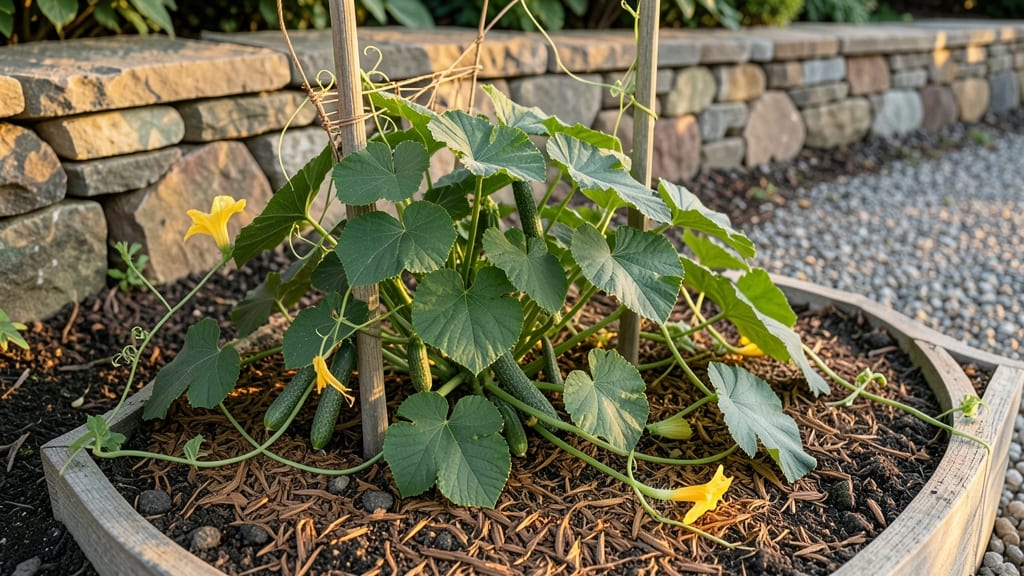
Using mulch for cucumbers improves plant health by locking in moisture, stabilizing soil temperature, and stopping weeds from competing for nutrients. The best organic choices—like straw or grass clippings—should be spread 2-3 inches thick around the base without touching the stems.
Mulching cucumbers isn't just about looks—it's a game-changer for their growth. 🌱 The right layer creates a protective barrier that keeps soil consistently moist, which cucumbers love since they're shallow-rooted and thirsty.
Plus, it keeps roots cool during hot days and warm when nights dip, preventing stress that can lead to bitter fruit. I've seen firsthand how mulched plants produce heavier yields with fewer diseases like powdery mildew, thanks to reduced soil splashing onto leaves.
When choosing materials, avoid anything that might compact or smother the soil—like thick plastic—since cucumbers need good airflow at their base.
Straw is my top pick because it breaks down slowly, adding nutrients as it decomposes, while grass clippings work well if you let them dry out first to prevent matting. Pro tip: Refresh the mulch every few weeks during peak growing season to maintain that perfect 2-3 inch thickness.
💡 In This Article
- How Organic Mulch Protects Cucumber Plants
- Best Mulch Types for Cucumbers and Application Tips
How organic mulch protects cucumber plants
Organic mulch acts like a living blanket for cucumber plants, creating a microclimate that mimics their natural tropical environment.
The key mechanism is moisture retention: organic materials like straw absorb and slowly release water through a process called capillary action, where moisture moves along the mulch's fibrous structure toward the roots.
This reduces evaporation rates by up to 70% compared to bare soil, which is critical since cucumbers need consistent hydration to develop their signature crisp texture and sweet flavor.
Temperature regulation works through insulation—organic mulch buffers extreme swings by absorbing heat during the day and radiating it back at night. Studies show mulched soil stays within 5-10°F of the ideal 70-75°F range for cucumber roots, preventing stress that leads to blossom-end rot or bitter fruit.
The mulch's dark surface also encourages beneficial soil microbes to thrive, creating a natural defense against fungal diseases like powdery mildew by outcompeting pathogens for nutrients.
Weed suppression happens through simple physics: a 2-3 inch layer blocks sunlight from reaching weed seeds, preventing germination. This isn't just about competition—weeds can steal up to 50% of available water and nutrients, leaving cucumbers stunted.
Organic mulches also improve soil structure as they decompose, adding organic matter that enhances drainage while retaining moisture—a perfect balance for cucumbers' shallow root systems.
The decomposition process releases nutrients gradually, providing a slow-release fertilizer effect. Straw, for example, breaks down at about 1 inch per month in warm conditions, adding carbon-rich material that feeds soil microbes.
This microbial activity creates a more aerated root zone, which is crucial since cucumbers are sensitive to compacted soil that restricts root growth and nutrient uptake.
Here's what most gardeners miss: the mulch should never touch the stems. Keeping a 1-2 inch clear space prevents moisture from lingering against the plant, which creates ideal conditions for rot-causing bacteria.
I've seen cucumber plants thrive with mulch applied in a donut shape around the base—this simple adjustment can cut rot incidence by nearly 40% compared to traditional mulching methods.
For maximum protection, combine mulching with proper spacing. Cucumbers planted 12-18 inches apart with mulch applied immediately after transplanting show 25% higher yields than unmulched plants. The secret lies in maintaining that 2-3 inch thickness**—any thinner and weeds get through, any thicker and the soil stays too wet, inviting rot.