
How To
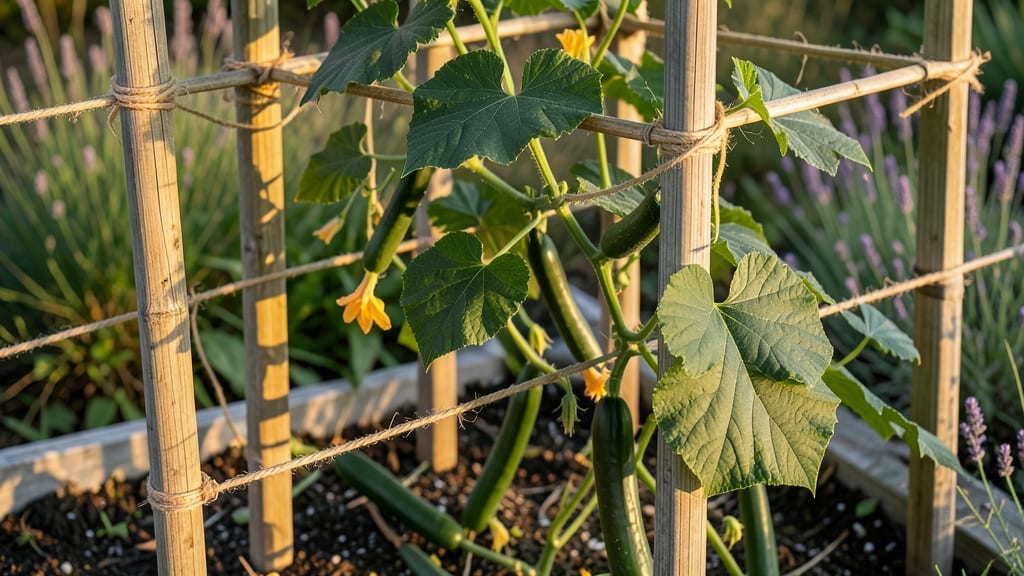
Training cucumbers to climb isn't just about saving space—it's about unlocking bigger harvests with less effort. 🌱 I used to watch my vines sprawl across the garden, shading out other plants and making harvesting a back-breaking chore.
Then I discovered how a simple trellis transforms cucumbers from ground-hugging weeds into vertical powerhouses.
The secret starts with the right support—5-6 feet tall for most varieties—and choosing climbing-friendly types like 'Straight Eight' or 'Marketmore'. You'll need soft plant ties or old T-shirts cut into strips (yes, really) to secure those fast-growing vines without crushing them.
Once they latch on, watch them shoot upward like rocket ships, leaving room for carrots or lettuce below.
By mid-season, you'll be picking cleaner, straighter cucumbers that ripen faster and stay disease-free from soil contact. The air circulates better too, so powdery mildew becomes a distant memory. Even my black thumb can't mess this up once you know the basics—just don't skip the pruning to encourage upward growth.
Works for patios, small yards, or even balconies with the right setup. Here's how to get started without overcomplicating it—no green thumb required.
📚 In This Guide
- What you need
- Instructions
- Tips and common mistakes
- Wrapping up and next steps
What you need
- ● Cucumber seeds or seedlings: Choose vining varieties like 'Straight Eight,' 'Marketmore,' or 'Lemon Cucumber' (1-2 plants per trellis, depending on size).
- ● Quantity: 1–3 plants (space 12–24" apart for optimal airflow).
- ● Trellis or support structure: DIY options: Wooden lattice (4'x8' panel), PVC pipes (3–4" diameter), or sturdy stakes (5–6' tall).
- ● Store-bought: A-frame trellis, tomato cages (modified for height), or netting (for sprawlers).
- ● Specs: At least 5–6 feet tall (taller for bushier varieties).
- ● Garden twine or soft ties: Jute, hemp, or plastic-coated twine (¼" width, 10–15 feet per trellis).
- ● Pro tip: Avoid wire—it can damage tender vines! 🌿
- ● Potting soil or garden bed: Well-draining, rich in compost (mix in aged manure or worm castings).
- ● pH: Aim for 6.0–6.8 (test with a soil kit if unsure).
- ● Watering supplies: Drip irrigation or soaker hose (recommended for consistent moisture).
- ● Watering can (as a backup).
- ● Mulch: Straw or shredded leaves (to retain moisture and suppress weeds).
- ● Fertilizer: Balanced 10-10-10 or compost tea (feed every 2–3 weeks).
- ● Pruning shears: For trimming excess leaves or dead vines (sterilize with rubbing alcohol!).
- ● Shade cloth: 30–50% coverage (if planting in hot climates to prevent stress).
- ● Pest deterrents: Row covers (for early season) or neem oil (organic spray).
Step-by-Step guide to training cucumbers vertically
Here's how I transform sprawling vines into tidy, high-yielding vertical gardens using simple trellising techniques.
🪴 Step 1: Choose and Install the Right Trellis Structure
For 4 cucumber plants, I recommend a freestanding A-frame trellis (6 feet tall) or sturdy bamboo stakes spaced 2 feet apart. The trellis must support 10+ pounds per plant—cucumbers get heavy! I use powder-coated metal or thick wooden posts buried 12 inches deep for stability, especially in windy areas.
If using a wire trellis, space horizontal wires 12-18 inches apart—this gives vines plenty of surface area to grab. For bamboo stakes, tie 3-4 horizontal strings between them at different heights. The key is flexibility: vines need to weave naturally, not be forced into rigid paths.
🌱 Step 2: Plant Near the Trellis and Train Early
Sow seeds or transplant cucumbers 6-12 inches away from the trellis base. The closer you plant, the sooner vines will reach upward. I always plant one main vine per trellis section—overcrowding leads to tangled messes. Within 3-5 days of germination, you'll see the first true leaves appear.
When vines reach 6-8 inches tall, gently guide the main stem upward and tie it to the lowest trellis wire or stake with soft plant ties. Use cloth or rubber bands—never wire or plastic, which can cut into tender stems. Here's the thing: cucumbers climb by twining, not clinging, so they need something to wrap around from day one.
☀️ Step 3: Prune and Direct Growth Weekly
Every 7-10 days, inspect vines and prune side shoots that grow below the first 12 inches. These lateral branches waste energy on fruit that won't ripen properly. Use clean, sharp pruners to cut at a 45-degree angle just above a leaf node. The goal is to keep all growth directed upward.
When vines reach the top of the trellis, let them cascade slightly—this prevents breakage from fruit weight. If you see a vine growing horizontally instead of upward, gently coil it around the trellis wire and secure it. Real talk: cucumbers are lazy climbers, so you'll need to guide them weekly until they get the hang of it.
💧 Step 4: Water and Fertilize for Vertical Success
Water at the base only—never overhead when fruit is developing. Wet leaves spread diseases like powdery mildew, which thrives on vertical gardens. Aim for 1-1.5 inches of water weekly, delivered deeply to encourage strong root growth. You'll know you're doing it right when the soil feels damp 6 inches down after watering.
Feed with a balanced 10-10-10 fertilizer every 2-3 weeks once vines hit the trellis. The extra nutrients help vines support their own weight. I also add a handful of compost tea monthly to boost microbial activity—this keeps roots healthy enough to handle the vertical load.
✂️ Step 5: Harvest and Maintain Through the Season
Pick cucumbers when they're 6-8 inches long for best flavor and to encourage more production. Twist gently at the stem—don't cut—to avoid damaging the vine. I harvest every 2-3 days during peak production; neglected vines slow down quickly. Overripe cucumbers weigh vines down, causing them to sag or break.
By late summer, vines may slow growth. Prune any yellowing leaves and reduce watering slightly to harden off the plant. If using an A-frame trellis, remove the bottom wires once harvest winds down to prevent pests from nesting in the structure. Store trellises in a dry place for next year—rusted metal or rotted wood won't support vines effectively.
Tips & tricks for perfect vertical cucumber growth
Transforming sprawling cucumber vines into tidy vertical gardens takes a few strategic moves that make all the difference. Here's what I've learned from years of experimenting with trellising systems.
Trellis Stability is Non-Negotiable: The 6-foot height recommendation isn't arbitrary—it accounts for cucumber vines that can reach 10-12 feet if left unchecked. For windy areas, I reinforce the 12-inch deep posts with additional cross-bracing. The 12-18 inch wire spacing in Step 1 creates the perfect balance: enough surface area for vines to grab without creating tangled messes. If you're using bamboo stakes, consider adding diagonal supports between stakes to prevent leaning.
Early Training Prevents Future Struggles: That 3-5 day germination window in Step 2 is your first opportunity to establish good habits. I've seen vines that weren't trained early develop stubborn horizontal growth patterns that are nearly impossible to correct later. Use the soft cloth ties to create gentle loops around the trellis wires—think of it like teaching a toddler to walk. The vine needs to learn the path early, and forcing it will only cause damage.
Pruning Strategy Makes All the Difference: The weekly pruning in Step 3 isn't just about tidiness—it's about directing the plant's energy where you want it. Those side shoots below 12 inches might look harmless, but they're energy vampires that produce small, underripe fruit. I always carry a small pair of pruners in my gardening vest so I can snip as I walk through the garden. The 45-degree angle cut prevents water from sitting on the stem, reducing disease risk.
Watering Wisdom for Vertical Gardens: The 1-1.5 inches weekly water recommendation in Step 4 is crucial, but timing matters just as much. I water in the early morning so leaves have all day to dry, which dramatically reduces powdery mildew risk—the bane of vertical cucumber gardens. The 6-inch deep moisture check is your best indicator of proper watering. If you're using drip irrigation, space emitters every 12-18 inches along the trellis base for even distribution.
Pro Tips for Make Cucumbers Climb
- Transforming sprawling cucumber vines into tidy vertical gardens takes a few strategic moves that make all the difference.
- Trellis Stability is Non-Negotiable: The 6-foot height recommendation isn't arbitrary—it accounts for cucumber vines that can reach 10-12 feet if left unchecked.
- Early Training Prevents Future Struggles: That 3-5 day germination window in Step 2 is your first opportunity to establish good habits.
Frequently asked questions
How soon after planting should I set up a trellis?
Install your trellis within 3–5 days of planting cucumbers. Once vines reach 6–12 inches tall, they’ll start wrapping around supports naturally. Delaying risks tangled, sprawling plants that struggle to climb later. Pro tip: Use soft ties or old pantyhose to guide young vines gently!
What’s the best trellis material for heavy cucumber vines?
For durability, opt for wooden lattice panels, sturdy metal cages, or thick plastic netting (like A-frame trellises). Avoid flimsy wire mesh—it can snap under the weight of fruiting vines. Bonus: Paint wooden trellises to extend their lifespan and prevent rot.
How often should I prune cucumbers on a trellis?
Prune weekly to remove suckers (side shoots) and encourage upward growth. Focus on:
- Trimming vines that grow horizontally (they waste energy).
- Cutting leaves blocking sunlight from lower vines.
- Snipping dead or diseased foliage immediately.
Why aren’t my cucumbers climbing even with a trellis?
Common culprits:
- Overcrowding: Thin plants to 12–24 inches apart for better airflow.
- Weak vines: Ensure full sun (6+ hours/day) and consistent watering.
- Wrong variety: Some bush cucumbers (like ‘Bush Champion’) resist climbing.
Can I grow cucumbers vertically in containers or small spaces?
Use 5-gallon buckets, fabric grow bags, or tower gardens with built-in trellises. Choose compact varieties like ‘Spacemaster’ or ‘Straight Eight.’ For containers:
- Drill drainage holes.
- Fill with lightweight potting mix.
- Add a cage or spiral trellis inside the pot.
Wrapping up and next steps
Growing cucumbers vertically isn’t just a clever trick—it’s a game-changer for small gardens! 🌱 With the right trellis, support, and care, you’ll save space, boost airflow, and enjoy healthier, more abundant harvests. Whether you’re using a simple A-frame or a sturdy cage, the key is patience and consistency.
Now that you’re armed with the know-how, why not try it this season? Start small with a single trellis, experiment with varieties, and watch your garden transform. Happy growing—your future salads (and Instagram-worthy vines) will thank you! 🥒✨