
Tools
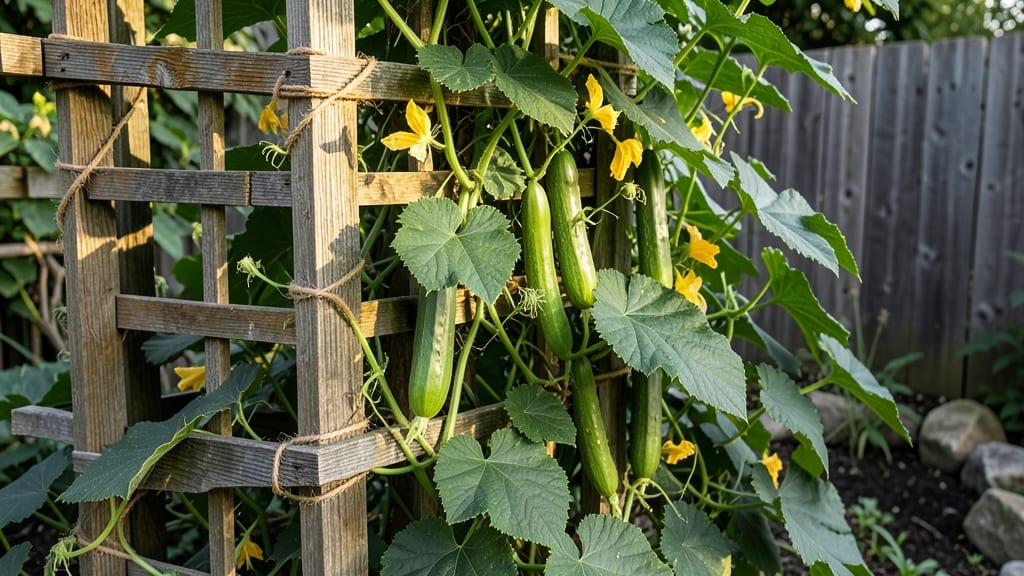
Building a cucumber trellis transformed my backyard from a tangled mess to a neat, high-yielding garden corner in just 60 days. 🌱 Last summer, my sprawling vines took over the yard, shading everything in sight—until I learned how to train them vertically.
The difference? Cleaner plants, fewer diseases, and cucumbers that ripen faster because they get better airflow and sunlight.
You don’t need fancy materials—just bamboo stakes, sturdy twine, or even repurposed fencing—and the whole project takes under an hour. I used 4-foot bamboo poles spaced 3 feet apart, tied with jute twine, and my vines climbed like they were on a jungle gym.
The best part? You’ll save space, reduce pests, and end up with longer, straighter cucumbers that are easier to harvest.
Once your trellis is up, simply weave the vines gently as they grow—no pruning required. By mid-summer, you’ll have a wall of green producing cucumbers at a rate that’ll make your neighbors jealous.
The key is starting early; plant your seeds or seedlings right next to the trellis so they can climb from day one.
Works for any garden size, from small containers to full backyard plots. Whether you’re dealing with bush or vining varieties, this method keeps everything organized and productive. Ready to turn those sprawling vines into a vertical masterpiece?
📚 In This Guide
- What you need
- Instructions
- Tips and common mistakes
- Wrapping up and next steps
What you need
- ● Trellis Structure: 4–6 wooden posts (4x4 inches, 6–8 feet tall) or metal stakes (galvanized for durability)
- ● Twine, jute twine, or garden twine (1/4-inch thick, 50–100 feet) (biodegradable options available)
- ● Horizontal supports: 2–3 wooden slats (2x4 inches, 6–8 feet long) or metal mesh (1-inch grid, 4x8 feet)
- ● Fasteners: Galvanized nails or screws (3–4 inches long) or zip ties (heavy-duty, 100+ pieces)
- ● Staple gun + staples (if using mesh or twine)
- ● Extras for Stability: Concrete mix (5–10 lbs) or stake anchors (for windy areas)
- ○ Post caps or paint (optional, for aesthetics)
- ● Measuring tape (for precise spacing)
- ● Hammer or drill (for assembling the trellis)
- ● Scissors or wire cutters (for trimming twine/mesh)
- ○ Level (optional but helpful) for keeping posts straight
- ● Gloves (to protect your hands from splinters or rough edges)
- ● Cucumber seeds or seedlings (ready to climb once your trellis is up!)
- ● Plant ties or soft garden twine (to gently secure vines as they grow)
- ● Solar-powered twine dispenser (for easy, eco-friendly winding)
- ● Decorative plants (e.g., nasturtiums or marigolds) to companion-plant alongside cucumbers
Step-by-step instructions for building a sturdy cucumber trellis
Here’s how I build a trellis that keeps cucumbers off the ground, boosts airflow, and maximizes fruit production.
🪴 Step 1: Choose and Prepare Your Trellis Materials
For a 4-foot tall trellis that supports 4 plants, I use two 6-foot wooden stakes (2x2 inches) and three horizontal bamboo canes (1/2-inch diameter). The stakes should be spaced 3 feet apart—this creates a stable frame that won’t wobble when vines get heavy. If you’re using metal or PVC pipes instead, drill holes every 6 inches for tying vines later.
Drive the stakes 6 inches deep into the soil at each end of your planting area. For extra stability, especially in windy spots, pound them in at a 15-degree angle outward—this widens the base and prevents leaning. Use a level to keep them perfectly vertical before securing with a mallet. If your soil is rocky, pre-drill pilot holes to avoid splitting the wood.
☀️ Step 2: Attach Horizontal Supports for Vine Guidance
Cut the bamboo canes to 4-foot lengths—this matches the height of mature cucumber vines. Tie them horizontally between the stakes at 12-inch intervals (so three canes total: at 12 inches, 24 inches, and 36 inches from the ground). I use jute twine because it’s biodegradable and won’t damage the vines when you adjust ties later.
Secure the canes tightly at the stake intersections by wrapping the twine three times around both the stake and cane. Leave a 4-inch tail to tuck under the knot—this prevents unraveling when vines tug on the structure. For a more permanent setup, use galvanized wire instead of twine, but bend it gently to avoid sharp edges that could cut into stems.
🌿 Step 3: Train Vines and Secure Growth Habits
When cucumber seedlings reach 4-6 inches tall, gently weave the main vine through the lowest horizontal cane (12 inches up). Use soft plant ties (available at garden centers) to anchor the vine without crushing it—think of it like a loose hug. As the vine grows, guide it upward in a spiral pattern around each cane, securing it every 12 inches with ties.
Here’s the thing—don’t let vines wrap tightly around the canes. Instead, loop them once and tuck the end under the tie. Tight coils strangle the stem as it thickens. Watch for side shoots (small stems branching off the main vine) and prune them off unless you’re growing a bush variety. These side shoots drain energy from fruit production, so pinch them 1 inch above the leaf node with your thumbnail.
✂️ Step 4: Maintain Structure and Prevent Overcrowding
Every 7-10 days, check the trellis for loose ties or sagging canes. Cucumber vines can add 5-10 pounds of weight per plant once fruiting begins, so adjust ties as needed. If a cane bows under the load, add a second support cane alongside it and redistribute the vines. I also remove any yellowing or diseased leaves by snipping them at the base—this keeps airflow circulating and prevents powdery mildew.
When fruits appear, tie them gently to the trellis with twine to prevent rot from ground contact. Leave 6-8 inches of stem on each cucumber—this ensures proper nutrient flow. If vines outgrow the trellis (they can reach 10+ feet in ideal conditions), let the excess trail along the ground. The plant will focus energy on the trellised section, where you’ll get the biggest yields.
Tips & tricks for building a sturdy cucumber trellis
Common pitfalls—and how to sidestep every one—when constructing a cucumber trellis that lasts the season.
Stability First: The 15-degree angle for stakes isn't just about looks—it's a game-changer for wind resistance. I learned this the hard way after watching a perfectly vertical trellis topple in a summer storm. For extra security in windy areas, consider adding a third stake in the center and connecting it to the horizontal canes with additional twine. This creates a triangular support system that's nearly unbreakable.
Material Alternatives: While bamboo canes work beautifully, don't overlook plastic-coated wire or reclaimed wood slats as budget-friendly options. If using wire, bend it into gentle curves rather than sharp angles—this prevents vine damage when you adjust growth later. For the horizontal supports, space them 12 inches apart as specified, but add an extra cane at 48 inches if your variety tends to grow exceptionally tall.
Vine Training Secrets: The spiral pattern mentioned in Step 3 isn't just decorative—it creates natural airflow around the vine, reducing humidity that could lead to fungal issues. When training, use your thumb to gently press the vine against the cane before securing. This prevents the plant from growing into the tie, which makes future adjustments impossible. For bush varieties, you can skip the trellis entirely and focus on pruning side shoots to direct energy toward fruit production.
Maintenance Shortcuts: That 7-10 day maintenance check doesn't have to be labor-intensive. I keep a small garden toolkit with pre-cut twine, scissors, and a spray bottle of water nearby. After each check, give the vines a quick misting—this not only keeps them hydrated but also helps prevent powdery mildew. For large gardens, consider using zip ties instead of twine for faster adjustments, though they're less biodegradable.
Pro Tips for Make A Cucumber Trellis
- Common pitfalls—and how to sidestep every one—when constructing a cucumber trellis that lasts the season.
- Stability First: The 15-degree angle for stakes isn't just about looks—it's a game-changer for wind resistance.
- Material Alternatives: While bamboo canes work beautifully, don't overlook plastic-coated wire or reclaimed wood slats as budget-friendly options.
Frequently asked questions
Got questions about building the perfect cucumber trellis? You’re not alone! Here are some of the most common concerns—plus quick, no-fuss answers to keep your vines thriving.
What’s the best time to set up a cucumber trellis?
Plant your trellis right after transplanting seedlings (or direct-sowing seeds) into the ground. For warm climates, aim for early spring; in cooler zones, wait until soil temps hit 60°F+. A trellis gives vines support within 2–3 weeks of growth, so don’t delay—cucumbers climb fast!
Can I reuse a trellis from last year?
Trellises made from wood, metal, or sturdy plastic can last years with a little TLC. Scrub off old plant debris, check for rust or rot, and reinforce weak spots. Just avoid reusing bamboo or twine—these degrade faster and may harbor pests. Pro tip: Sterilize with a 10% bleach solution to prevent disease.
What if my cucumbers aren’t climbing?
No vines? No problem—try these fixes:
- Check sunlight: Cucumbers need 6+ hours of direct sun daily. Move the trellis to a sunnier spot.
- Train the vines: Gently tie the main stem to the trellis with soft twine or cloth strips.
- Prune aggressively: Snip off side shoots (suckers) to focus energy upward.
- Fertilize: A balanced 10-10-10 mix can boost growth.
Do I need a fancy trellis, or will a DIY work?
DIY trellises rule! Skip the store-bought hassle with these easy alternatives:
Material
How-To
T-posts + twine
Drive 4–6 ft posts into the ground, then crisscross twine in a diamond pattern.
PVC pipes
Cut pipes into 5-ft sections, secure vertically, and add horizontal rungs every 12 inches.
Fence or netting
Stretch garden netting (1-inch mesh) over a wire frame for a no-climb zone.
Will a trellis keep pests away?
A trellis reduces some pests (like squash bugs) by lifting vines off the ground, but it won’t eliminate them. Prevent issues with:
- Row covers for young plants.
- Neem oil sprays for aphids/spider mites.
- Regular inspections—remove yellowing leaves or eggs on the undersides.
Wrapping up and next steps
Building a cucumber trellis is a simple yet rewarding way to maximize your garden’s potential—whether you’re a seasoned gardener or just starting out! 🌱 With the right materials and a little creativity, you’ll enjoy healthier vines, higher yields, and easier harvesting in no time.
Now that you’ve got the know-how, why not take the next step and transform a corner of your yard or balcony into a thriving cucumber oasis? Grab your tools, get growing, and watch your plants climb to new heights!