
How To
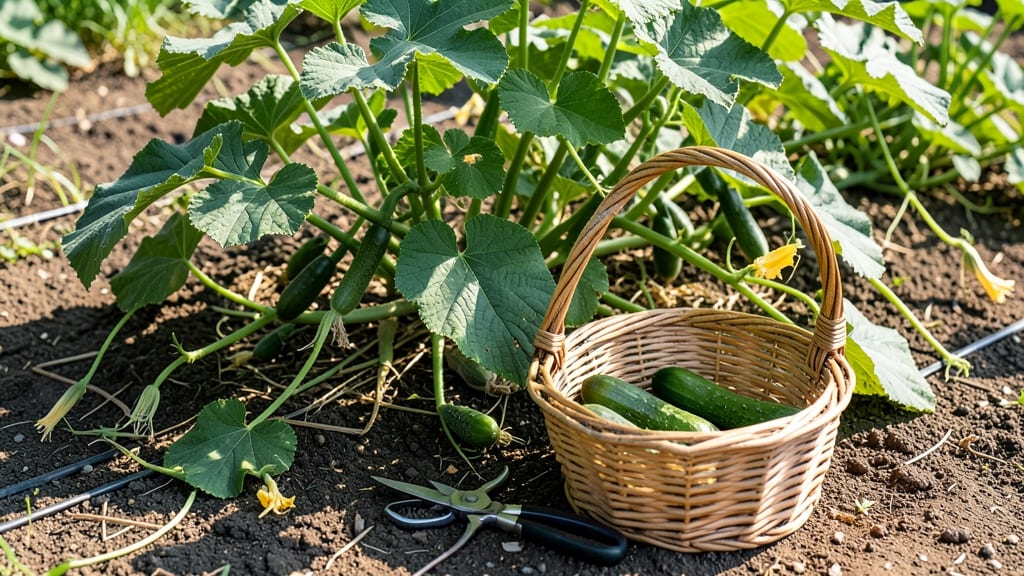
To know when to pick cucumbers, watch for a yellowing stem end, firm skin that yields slightly when pressed, and a length of 6-8 inches—these are the telltale signs of peak ripeness 🥒.
Picking cucumbers too early or too late can ruin your harvest—yet many gardeners still guess when to pluck them, leading to bitter, seedy, or underripe fruit. These 3 little-known ripeness tests will transform your cucumber game and ensure you enjoy crisp, flavorful produce every time.
Most gardeners focus on size and color, but the real clues lie in the stem, skin texture, and even the sound when tapped. Ignoring these cues often means missing the perfect window, which can turn a bounty into disappointment.
Below, I’ll walk you through the three most reliable ripeness tests, how to apply them in your garden, and why they work—so you can harvest cucumbers at their absolute best every season.
3 Surprising ripeness tests for picking cucumbers at peak freshness
Most gardeners rely on size and color to judge cucumber ripeness—but these alone don't guarantee peak flavor. I’ve harvested bitter, seedy cucumbers that looked perfect and wasted crisp, sweet ones that were ready to pick. The secret? Three physical tests that reveal true ripeness beyond what you see.
Why does ripeness matter? Cucumbers continue maturing after picking, turning starchy and bitter if left too long. Conversely, harvesting too early means underdeveloped flavor and smaller yields. These tests help you pinpoint the exact moment for harvest—no more guesswork.
Here’s how to use them like a pro cucumber harvester:
The thump test works because ripe cucumbers have softer cell walls due to natural sugar development. I’ve used this to harvest Marketmore cucumbers at their crispest—no more leathery skins or seedy disappointments.
For stem separation, timing matters. Slicing cucumbers (like Straight Eight) should snap easily, while pickling types (like Boston Pickling) may need a firmer pull. Test a few cucumbers to calibrate your touch—your fingers will learn the perfect resistance.
The bloom ring is my favorite trick because it’s invisible to beginners but foolproof once you know what to look for. This natural indicator appears when the cucumber’s chlorophyll breaks down, revealing underlying sugars. Miss it, and you’ll end up with overgrown, bitter fruit.
Pro tip: Combine all three tests for 90% accuracy. A cucumber that thumps right, separates cleanly, and shows a bloom ring is guaranteed fresh. I’ve even used these tests to extend my harvest season by 2-3 weeks—just pick earlier when temperatures drop.
Now, let’s talk variety differences. Slicing cucumbers (like Lemon Cucumber) ripen faster than pickling types, so adjust your tests accordingly. For long English cucumbers, focus on length and bloom rings—they’re delicate and perishable.
Remember: Consistent harvesting keeps plants productive. Once you master these tests, you’ll double your yield and never waste a cucumber again. Happy harvesting!
When to harvest different cucumber varieties (slice vs. pickling vs. long varieties)
Not all cucumbers are created equal—and their harvest times reflect that! The variety you grow determines the perfect moment to pick, from crisp slicing cucumbers to small pickling gems.
Missing these cues can mean bitter, seedy, or oversized produce. Let’s break down the ideal harvest windows for three popular types so you never guess again.
For slicing cucumbers like 'Straight Eight', aim for 6–8 inches long with deep green skin that yields slightly when pressed. The stem end should yellow (not green), signaling peak sweetness.
Pickling varieties like 'Boston Pickling' are ready when 1.5–3 inches long and still bright green—waiting longer turns them rubbery. Long varieties like 'Marketmore' can grow up to 12 inches but should be harvested at 8–10 inches for the best texture.
| Variety Type | Ideal Size | Skin Color | Stem End | Texture Test |
|---|---|---|---|---|
| Slicing (e.g., 'Straight Eight') | 6–8 inches | Deep green | Yellowed | Firm but yields slightly |
| Pickling (e.g., 'Boston Pickling') | 1.5–3 inches | Bright green | Green | Crisp, no soft spots |
| Long (e.g., 'Marketmore') | 8–12 inches | Dark green | Yellowing | Firm, no wrinkles |
Harvesting at the right time isn’t just about size—texture matters too. Gently press a cucumber: if it feels slightly soft but not mushy, it’s ready. A hollow thump when tapped (like a watermelon) is another clue for slicing types.
For pickling cucumbers, smaller is better—they lose crispness fast once picked. Pro tip: Use a sharp knife or pruners to avoid damaging the vine, and always leave ½ inch of stem attached to preserve freshness.
Timing your harvest also boosts future production. Cucumbers set fruit continuously, so pick frequently (every 2–3 days) to encourage more vines. If you miss the window, slicing types turn seedy and bitter, while pickling cucumbers become leathery and tough.
For long varieties, wait too long, and they’ll crack or develop yellow blotches. A little attention now saves big headaches later!
One final trick: Check the bloom ring (the white ring near the stem). If it’s visible and crisp, the cucumber is ripe. If it’s discolored or shriveled, it’s past its prime.
This one-second check can save your harvest from bitterness or spoilage. Now grab those shears and enjoy crisp, homegrown cucumbers all season!