
Picking
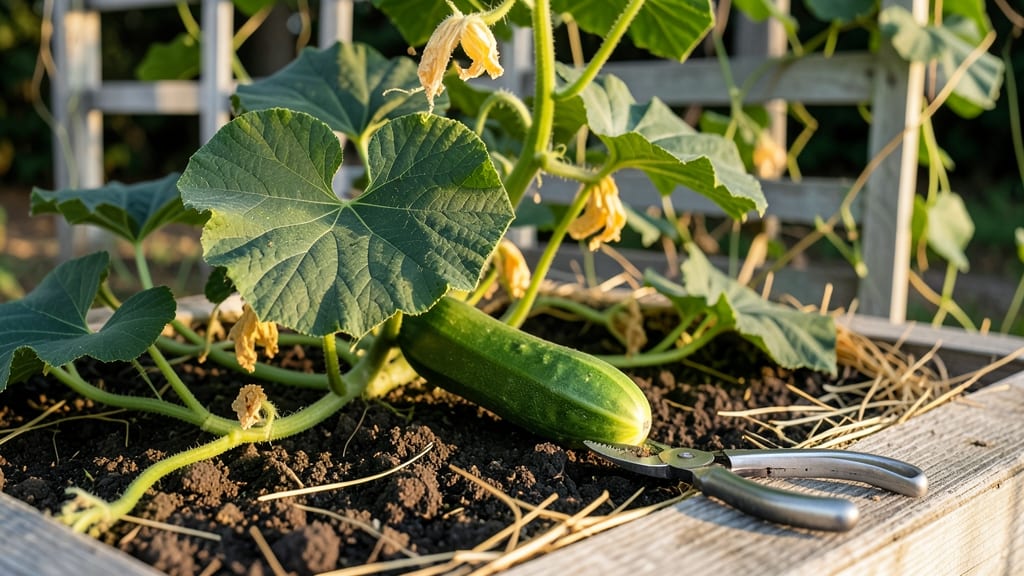
Learn how to know if a cucumber is good with these three quick checks: skin texture (smooth and firm, never waxy), color (bright green, not yellowing), and weight (heavy for its size means juicy). goodness). Overlooking these can turn your salad into a sad, mealy mess.
Start with the skin—run your thumb over it. A cucumber should feel cool, dry, and slightly rough like fine sandpaper. Avoid anything slimy or soft; that’s a sign it’s past its prime.
Next, check the ends: they should be firm, not mushy or shriveled. A dull, yellowing tip means it’s been sitting too long, and the inside will be seedy and watery.
When you pick it up, a good cucumber feels substantial for its length—like holding a well-hydrated plant stem. Tap it gently; a hollow sound means it’s overripe, while a dull thud signals freshness.
Store them in the fridge (not the door) in a plastic bag with a paper towel to absorb moisture, and they’ll stay crisp for 1-2 weeks.
Common mistakes? Harvesting too late (bitter cucumbers), ignoring the stem end (rotting starts there), or washing before storing (speeds up spoilage). Master these checks, and you’ll never settle for anything less than that satisfying crunch again.
📚 In This Guide
- What you need
- Instructions
- Tips and common mistakes
- Wrapping up and next steps
What you need
- ● 1-2 fresh cucumbers – Choose the ones you’re evaluating (preferably unwashed for best results).
- ● Clean hands – Soap and water to wash your hands before handling.
- ● Paper towels or a clean cloth – For gentle drying if needed.
- ○ Sharp knife or peeler (optional but helpful) – For inspecting the skin or stem end if required.
- ○ Measuring tape or ruler (optional) – To check cucumber length if comparing sizes.
- ● Small bowl of water – For the float test (more on this later!).
- ● Magnifying glass – To spot tiny imperfections or mold up close.
- ○ Food scale (optional) – If you’re tracking weight for consistency checks.
- ● Notebook or phone – To jot down notes on texture, smell, or other observations.
How to know if a cucumber is good: 3 simple checks for peak freshness
Picking the perfect cucumber takes just a few seconds—here’s how to spot the best ones every time.
🌱 Step 1: Check the Skin for Smoothness and Color
The skin should be taut and free of wrinkles or soft spots. Run your thumb over the surface—if it feels bumpy or dull, the cucumber is past its prime. A good one has a firm, slightly shiny texture, like a fresh green apple.
For dark green varieties, look for deep, even color without yellowing or brown patches. Light green or ridged cucumbers should have a crisp, vibrant hue. Avoid any with dull spots or a waxy sheen—this often means they’ve been stored too long or treated with excess preservatives.
☀️ Step 2: Press Gently to Test Firmness
Grasp the cucumber near the stem end and give it a light squeeze. It should feel solid, like a ripe avocado, with no give at all. If it yields even slightly or feels mushy, it’s overripe and will taste bland or watery.
Pay attention to the blossom end (the thicker, rounded end). It should be firm and free of softness or wrinkles. A good cucumber holds its shape when pressed—no dents or bruises. If it feels heavy for its size, it might be overwatered or spoiled inside.
💧 Step 3: Inspect the Stem and Ends for Freshness
The stem end should be dry and slightly shriveled, not damp or slimy. If it feels sticky or has mold, the cucumber is rotting inside. The blossom end should also be intact—no cracks, bruises, or dark discoloration.
Smell is your final check: A fresh cucumber has a clean, crisp aroma. If it smells musty, sour, or overly sweet, it’s gone bad. Even if the outside looks good, a funky smell means it’s time to toss it.
⏰ Step 4: Consider Size and Shape for Optimal Flavor
Smaller cucumbers (4-6 inches long) are usually crisper and milder in flavor, perfect for slicing or snacking. Larger ones (8+ inches) are fine for pickling or cooking but may have tougher skin. Avoid cucumbers with uneven shapes or excessive bulges—they’re often underripe or overripe.
If you’re buying seedless varieties, check for uniform thickness. Uneven diameters can indicate uneven ripening. For heirloom or bumpy cucumbers, look for consistent bumps—not soft or mushy ones.
Tips & tricks for perfect cucumber selection
Here's what nobody tells you about picking cucumbers that actually taste fresh—these tricks save you from buying bland or watery ones.
The Color Clue: Dark green cucumbers should have a deep, vibrant hue without any yellowing—this means they were harvested at peak ripeness. Light green varieties should be bright and even in color. Watch for dull spots or a waxy sheen, which often indicates overhandling or long storage times that compromise freshness.
Firmness is Everything: When you press near the stem end, it should feel as solid as a ripe avocado with zero give. If it feels even slightly soft or mushy, walk away—this is a telltale sign of overripeness. The blossom end (thicker end) should also hold its shape perfectly. A good cucumber should feel heavy for its size, not light and hollow.
Stem and End Inspection: The stem end should be dry and slightly shriveled, not damp or slimy—this is your best indicator of internal freshness. The blossom end should be intact with no cracks, bruises, or dark spots. If you see any mold or stickiness, it's a clear sign the cucumber is rotting inside, even if the outside looks okay.
Size Matters for Flavor: Smaller cucumbers (4-6 inches) are typically crisper and milder—perfect for slicing or snacking. Larger ones (8+ inches) work better for cooking or pickling but may have tougher skin. For heirloom varieties, look for consistent bumps rather than soft spots, which can indicate uneven ripening or spoilage.
Pro Tips for Know If A Cucumber Is Good
- Here's what nobody tells you about picking cucumbers that actually taste fresh—these tricks save you from buying bland or watery ones.
- The Color Clue: Dark green cucumbers should have a deep, vibrant hue without any yellowing—this means they were harvested at peak ripeness.
- Firmness is Everything: When you press near the stem end, it should feel as solid as a ripe avocado with zero give.
Frequently asked questions
Got questions about picking the perfect cucumber? You’re not alone! Here are some of the most common queries—and their answers—to help you shop like a pro every time.
How do I tell if a cucumber is too old?
Look for wrinkled skin or a soft, mushy texture—these are red flags. A ripe cucumber should feel firm and crisp, with smooth skin. If it smells sour or overly pungent, it’s past its prime. Pro tip: Check the stem end—if it’s shriveled or dried out, the cucumber is likely overripe.
Can I still use a cucumber with a few blemishes?
Small surface bruises or minor soft spots don’t mean the cucumber is bad—just peel or slice around them. Avoid deep indentations or mold, though. Blemishes often happen during transport, not because the cucumber is spoiled. Wash it well before cutting to remove any dirt or bacteria.
What’s the best way to store cucumbers to keep them fresh longer?
Store them unwashed in the fridge’s crisper drawer (not the main compartment) for up to 1 week. Avoid wrapping them in plastic—it traps moisture and speeds up spoilage. For whole, uncut cucumbers, place them in a paper towel-lined container to absorb excess humidity.
Are seedless cucumbers always better?
Not necessarily! Seedless cucumbers are softer and sweeter, making them great for salads or snacking. Traditional cucumbers with seeds are crispier and firmer, ideal for pickling or slicing. Choose based on your recipe—seedless for texture, seeded for crunch.
What if my cucumber tastes bitter?
Bitter flavor usually means it’s overripe or exposed to ethylene gas (a natural ripening agent). Cut off the bitter ends and check for yellowing or soft spots. If the whole cucumber tastes off, toss it. To prevent bitterness, store cucumbers away from apples, bananas, or tomatoes, which release ethylene.
Wrapping up and next steps
Now that you’re armed with the know-how to spot a fresh, crisp cucumber—whether by checking its skin, stem, and weight—you’re ready to make smart choices at the store or in your garden! 🌱 A little effort now means crunchy, flavorful bites every time.
Next up, try experimenting with your perfect cucumbers: slice them for salads, spiralize them into noodles, or pickle them for a tangy twist. Happy snacking!