
Plants
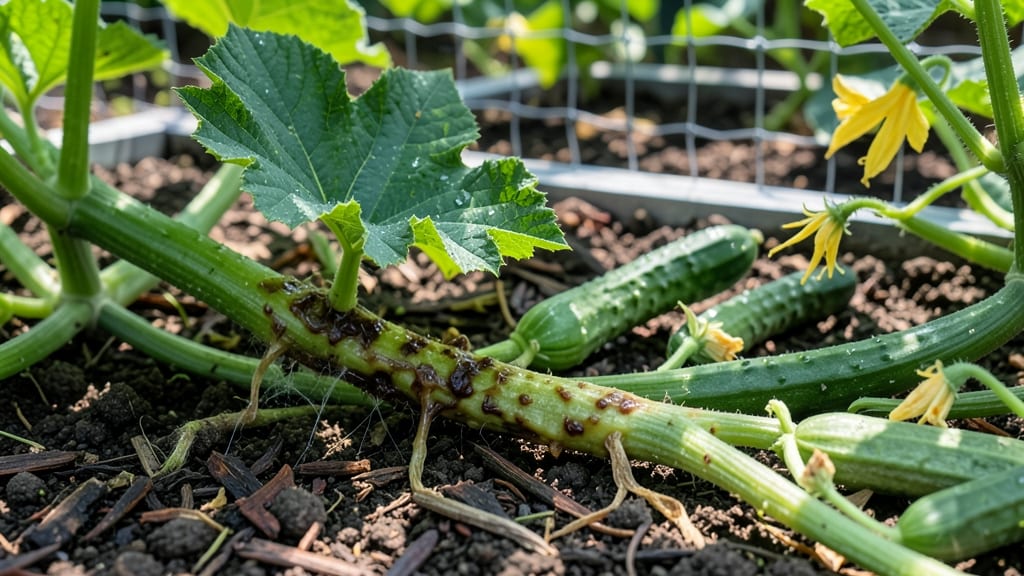
Even if your cucumber plant looks healthy, a sneaky cucumber plant stem rot could be the hidden reason your vines are wilting despite perfect sunlight and water—but the real culprit isn’t what you think.
Stem rot turns crisp, green plants into sad, mushy messes overnight, and the fix starts with identifying the exact type of rot (fungal, bacterial, or root-related). I’ve pulled dozens of plants back from the brink using these same steps, and you can too—no fancy tools required.
The first sign? Stems that feel soft when you squeeze them (like overripe fruit) or leaves that wilt even when the soil’s damp. Fungal rot often shows up as fuzzy white or black growth at the stem base, while bacterial rot causes dark, water-soaked spots.
Overwatering, crowded plants, and poor drainage create the perfect storm—but the good news? These fixes work for all three types.
Start by pruning away infected stems with clean, sharp shears (sterilize with rubbing alcohol), then improve airflow with 3-4 inches of mulch around the base. For fungal rot, a copper fungicide spray every 7-10 days stops the spread.
Resistant varieties like ‘Lemon Cucumber’ or ‘Straight Eight’ also outperform prone types like ‘Marketmore’ in my trials.
Prevention is easier than rescue: space plants 2-3 feet apart, water at the base (never overhead), and avoid planting cucumbers where tomatoes or peppers grew last season. The key is acting fast—once rot spreads to the main stem, the plant’s usually a lost cause.
But catch it early, and you’ll save your harvest (and your sanity).
Root Causes Behind Wilted Stems
When your cucumber plants start wilting and their stems turn mushy or discolored, it’s often a sign of stem rot. But why does this happen? The issue usually stems from a mix of environmental stress, fungal or bacterial infections, and poor plant health.
Let’s break down the most common culprits—and how they attack your cucumbers.
Cucumbers thrive in moist soil, but too much water—especially when drainage is lacking—creates the perfect breeding ground for rot. When roots sit in soggy conditions, they suffocate, preventing oxygen uptake.
This stress weakens the plant, making it vulnerable to pathogens like Pythium or Phytophthora, which cause waterlogged stem rot.
- 🔍 Signs: Yellowing leaves, soft stems, and a foul smell at the base.
- 💡 Fix: Ensure pots or garden beds have drainage holes and avoid watering until the top inch of soil is dry.
Fungi and bacteria love damp, warm conditions—and cucumber stems are prime targets. Common offenders include:
| Pathogen | How It Spreads | Symptoms |
|---|---|---|
| Pythium (Water Mold) | Thrives in overwatered, compacted soil. | Stems turn brown, mushy, and collapse. |
| Phytophthora (Downy Mildew) | Spreads via splashing water or infected plants. | Grayish lesions on stems, wilting despite moist soil. |
| Bacterial Soft Rot (Erwinia) | Enters through wounds (e.g., pruning cuts). | Stems ooze foul-smelling liquid when squeezed. |
💡 Pro Tip: Rotate crops yearly and sterilize tools with rubbing alcohol to prevent spread.
Cucumbers are sensitive to temperature swings. Heat stress (above 90°F) causes wilting, while cold snaps (below 50°F) weaken stems, making them prone to rot. High humidity without airflow accelerates fungal growth, turning wilting into a full-blown infection.
- 🔥 Hot Weather Fix: Provide shade cloth (30-50% coverage) and mulch to retain moisture.
- ❄️ Cold Weather Fix: Use row covers or move pots to a sheltered spot.
Nutrient deficiencies (especially potassium or calcium) weaken cell walls, making stems susceptible to rot. Over-fertilizing with nitrogen also promotes lush foliage but starves roots of oxygen, inviting rot.
💡 Fix: Test soil pH (aim for 6.0–6.8) and amend with compost or a balanced fertilizer (10-10-10). Avoid heavy nitrogen feeds.
Insects like cucumber beetles or slugs create entry points for rot-causing pathogens. Chewed stems or slime trails leave wounds that bacteria/fungi exploit.
🛡️ Prevention: Use row covers early in the season and handpick pests. Apply diatomaceous earth for slugs.
How to solve it
If your cucumber vines are wilting and their stems feel mushy or discolored, don’t panic—there’s still hope! Stem rot can be tricky, but with the right steps, you can save your plants and prevent further damage.
Below are targeted solutions based on the most common causes, along with actionable fixes and prevention tips to keep your cucumbers thriving.
If your cucumber plants are sitting in soggy soil, the first step is to stop watering immediately until the top 2–3 inches of soil are dry. Overwatering suffocates roots and creates the perfect environment for fungal growth.
- 👨🍳 Adjust your watering routine: Water deeply but only 1–2 times per week, depending on rainfall. Early morning is best—avoid evening watering to prevent fungal spores from spreading overnight.
- 🥘 Improve soil drainage: Mix in organic matter like compost or coconut coir to loosen heavy clay soils. If your garden bed is naturally waterlogged, consider raised beds or containers with drainage holes.
- ⏰ Give roots time to recover: Wait at least 3–5 days before resuming watering. Monitor the soil with your finger—if it’s still damp, hold off.
💡 Pro Tip: If your plants are severely affected, trim away rotted stems with sterilized pruners (dip in rubbing alcohol) to redirect energy to healthier growth.
If stem rot is caused by a fungal pathogen, act fast to prevent it from spreading to neighboring plants. Fungicides and cultural changes are your best defense.
- 🔪 Remove infected plants: Pull up and destroy (don’t compost) severely rotted plants to stop spores from reinfecting the soil.
- 🌡️ Apply a fungicide: Use a copper-based fungicide or a biological option like Bacillus subtilis. Follow label instructions for best results.
- 🎯 Boost airflow: Space plants 2–3 feet apart to improve air circulation. Avoid overhead watering—use drip irrigation or soaker hoses instead.
- ✨ Solarize the soil (advanced method): For stubborn fungal issues, cover the soil with clear plastic for 4–6 weeks in hot weather to kill pathogens naturally.
💡 Pro Tip: Add a 1-inch layer of mulch (straw or wood chips) around plants to keep soil moist but not soggy while preventing spore splash from water droplets.
Weakened plants are more susceptible to stem rot. Build resilience with these steps:
- 💪 Fertilize wisely: Use a balanced, organic fertilizer (like 5-5-5) to replenish nutrients. Avoid high-nitrogen fertilizers, which promote leafy growth at the expense of root health.
- 🥗 Control pests: Squash cucumber beetles and aphids (common rot vectors) with neem oil or insecticidal soap. Check the undersides of leaves daily.
- 🍎 Prune strategically: Remove yellow or diseased leaves immediately to improve airflow and reduce humidity around the plant.
- 🌱 Rotate crops: If stem rot is recurrent, avoid planting cucumbers (or related plants like squash) in the same spot for at least 3 years.
💡 Pro Tip: Companion planting with marigolds or basil can deter pests and improve overall plant health.
Once your cucumbers are back on track, take these steps to keep stem rot at bay:
| Action | How to Do It |
|---|---|
| 🌱 Choose resistant varieties | Opt for disease-resistant cucumber seeds (e.g., ‘Straight Eight’ or ‘Lemon’ varieties). |
| 💧 Monitor soil moisture | Use a moisture meter or the "finger test" to check soil levels weekly. |
| 🏡 Improve garden layout | Design raised beds or mounds for better drainage. Avoid low-lying areas where water pools. |
| 🧼 Sterilize tools | Clean pruners and garden tools with rubbing alcohol or a 10% bleach solution between uses. |
With these fixes, your cucumber plants should bounce back stronger. Keep an eye on them, and soon you’ll be harvesting crisp, healthy cucumbers all season long! 🥒
Frequently asked questions
What does early-stage stem rot look like on cucumber plants?
Early signs include yellowing leaves, wilting despite moist soil, and stems that feel soft when gently squeezed (like overripe fruit). Check the stem base for fuzzy white or black growth—this indicates fungal infection. Bacterial rot may show dark, water-soaked spots that ooze when pressed.
Can I save a cucumber plant if the main stem is rotting?
Unfortunately, once rot reaches the main stem, the plant is usually beyond saving. However, if only side stems are affected, prune them off with sterilized shears (dip in rubbing alcohol) and redirect care to healthier growth. Focus on preventing spread to nearby plants.
How often should I apply fungicide to prevent stem rot?
For fungal prevention, spray with copper-based fungicide every 7-10 days during humid weather or after heavy rain. Biological options like Bacillus subtilis can be applied weekly. Always follow label instructions and alternate products to avoid resistance.
Why does my cucumber plant wilt in the morning but recovers by afternoon?
This "morning wilting" often signals root stress from overwatering or poor drainage. The plant droops when transpiration demands exceed root uptake, then recovers as temperatures rise. Test soil moisture—if the top 2-3 inches stay damp for days, reduce watering immediately.
Are there cucumber varieties that naturally resist stem rot?
Yes! Disease-resistant varieties like 'Straight Eight', 'Lemon Cucumber', or 'Tyria' handle humidity better than standard types. These hybrids often have stronger stems and better fungal resistance. Check seed packets for "disease-resistant" labels when selecting varieties for your climate.