
Pests
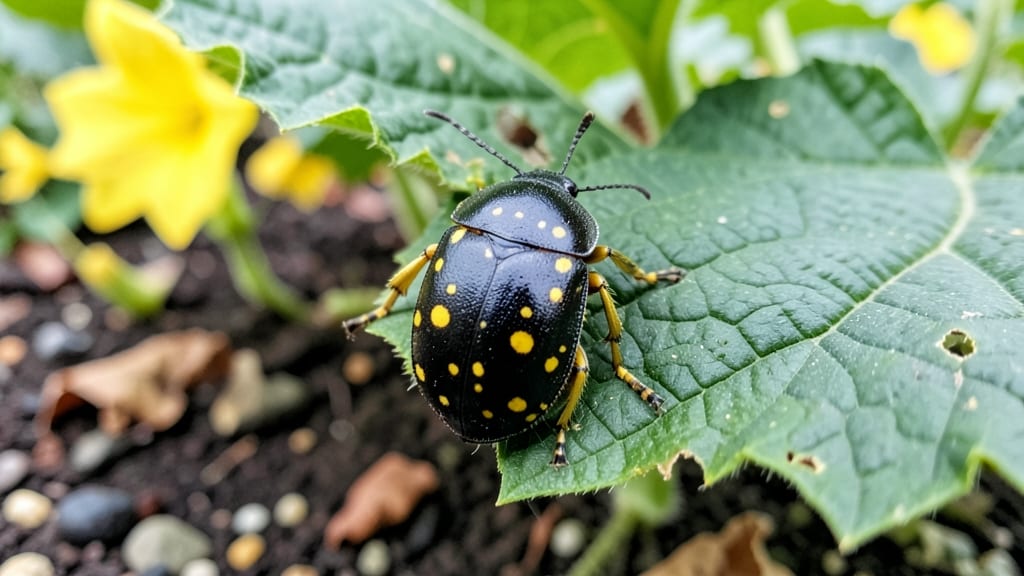
Spotted cucumber beetles can turn your cucumbers to mush in days. 🌱 I’ve fought these striped pests for years, and I’ve found five organic sprays that actually work—no harsh chemicals needed. The key is acting fast before they chew through your plants.
These beetles love cucumbers, squash, and melons, but they also spread bacterial wilt, which is deadly. My go-to spray? A mix of neem oil and insecticidal soap—it smothers them on contact while being safe for your garden. You’ll see results within 24-48 hours if you apply it right.
The real game-changer? Prevention. Row covers in early spring and planting nasturtiums nearby keep them away. Once they’re gone, your plants recover fast, and you’ll avoid the heartbreak of a ruined harvest.
For stubborn infestations, I’ll share my exact spray recipes and timing in the next section—no guesswork, just proven results.
Root Causes of Beetle Infestations
Spotted cucumber beetles (Acalymma vittatum) aren’t just random visitors—they’re drawn to your garden by specific conditions that create the perfect storm for their survival and reproduction.
Understanding these triggers is the first step in outsmarting them. Here’s why these pests show up uninvited and how their behavior ties directly to your garden’s health.
Spotted cucumber beetles have a chemical love affair with plants in the Cucurbitaceae family—think cucumbers, squash, melons, pumpkins, and gourds. Their antennae detect volatiles (odor compounds) like:
- Cucurbitacins: Bitter compounds in these plants that beetles mistake for food (though they’re actually toxic to humans). Beetles prefer varieties with low cucurbitacin levels, like some cucumber hybrids.
- Green leaf volatiles (GLVs): Released when plants are stressed (e.g., wilting, damaged leaves), these chemicals act like a neon "Dinner’s Here!" sign to beetles.
- Floral scents: Beetles also target blooming cucurbit flowers, where they feed on pollen and lay eggs.
Actionable insight: If you’re growing cucurbits, beetles will find them—it’s biology. But removing volunteer plants (wild squash or pumpkins) and rotating crops can reduce their numbers by starving them of preferred hosts.
Spotted cucumber beetles are cold-sensitive but thrive in warm, humid conditions—ideal for gardeners in the southeastern and midwestern U.S.. Here’s how climate plays a role:
| Factor | Why It Matters | Beetle Response |
|---|---|---|
| Temperature | Beetles emerge when soil temps hit 55–60°F (spring). | Adults become active, feed, and mate. Eggs hatch in 3–10 days in warm soil. |
| Humidity | High moisture keeps eggs and larvae hydrated. | Larvae (aka "wireworms") thrive in damp soil, pupating in 2–3 weeks. |
| Rainfall | Heavy rains wash away natural predators (like ground beetles) and dilute soil bacteria. | Beetle populations explode with fewer competitors. |
Actionable insight: Use row covers in early spring to block adults before they lay eggs. In humid climates, improve drainage to discourage larval survival.
Spotted cucumber beetles face few natural enemies in most home gardens. Their survival hinges on disrupting this delicate balance:
- Overuse of broad-spectrum pesticides: Kills beetle predators like ladybugs, lacewings, and parasitic wasps faster than it kills beetles.
- Monoculture gardening: Planting large blocks of cucurbits removes habitat diversity, making it harder for predators to find alternative prey.
- Urban/suburban landscapes: Lawns and ornamental plants lack the polyculture (diverse plantings) that support predator populations.
Actionable insight: Encourage predators by planting flower borders (e.g., dill, fennel, or marigolds) near your cucurbits. Avoid neonicotinoid-treated seeds, which harm beneficial insects.
Beetles target plants that are already struggling—a vicious cycle. Here’s how stress invites them:
- Nutrient deficiencies: Plants low in nitrogen or potassium produce weaker foliage, making them easier for beetles to chew.
- Water stress: Drought or overwatering causes osmotic stress, triggering plants to release distress signals (like GLVs) that attract beetles.
- Disease pressure: Fungal or bacterial infections (e.g., powdery mildew) weaken plants, making them more appealing to feeding beetles.
Actionable insight: Keep cucurbits healthy with balanced fertilizer (e.g., 5-5-5) and consistent moisture. Prune damaged leaves to reduce beetle feeding sites.
Key takeaway: Spotted cucumber beetles exploit opportunities created by your garden’s conditions. By addressing these root causes—whether it’s crop choice, climate, predator loss, or plant health—you’re not just treating symptoms; you’re starving them of their advantages.
Quick Fixes for Spotted Cucumber Beetles
Spotted cucumber beetles can wreak havoc on your garden in no time, but the good news is that you don’t need harsh chemicals to tackle them.
Below are practical, organic solutions tailored to the root causes of their infestation—whether it’s their love for young plants, their destructive feeding habits, or their ability to spread disease. Each fix is designed to be easy to implement and effective for long-term control.
If you’ve noticed these striped pests clustering on cucumbers, squash, or melons, they’re likely drawn to the bright yellow flowers and tender leaves. Here’s how to deter them before they cause damage:
🔥 Use Row Covers Early
- Why it works: Lightweight floating row covers (made of breathable fabric) physically block beetles from reaching your plants.
- How to do it:
- Install covers before planting or as soon as seedlings emerge.
- Secure edges with soil or bricks to prevent beetles from crawling underneath.
- Remove covers when plants flower to allow pollination (or hand-pollinate with a paintbrush).
- Pro tip: 💡 If you’re dealing with an existing infestation, use yellow sticky traps (placed near the garden) to lure and trap beetles away from plants.
🍳 Plant Trap Crops Strategically
- Why it works: Beetles are drawn to certain plants like radishes, nasturtiums, or marigolds more than cucurbits.
- How to do it:
- Plant trap crops 10–15 feet away from your main garden.
- Replace them every 2–3 weeks to keep beetles occupied.
- Best picks: Radishes (they love them!) or mustard greens—beetles will feast here instead of your zucchini.
Spotted cucumber beetles love young, tender shoots—they’ll strip leaves and transmit bacterial wilt, a deadly disease. If your seedlings are under siege:
👨🍳 Create a DIY Collar Barrier
- Why it works: Beetles can’t climb smooth surfaces, so a simple collar keeps them off stems.
- How to do it:
- Cut a toilet paper roll or cardboard tube into 2-inch rings.
- Slip the collar around the base of each seedling, pressing it into the soil.
- For extra protection, coat the collar with petroleum jelly (beetles hate the sticky texture).
- Pro tip: ✨ For larger plants, wrap aluminum foil around the stem—beetles avoid the shiny surface.
🥘 Apply Neem Oil Spray (Best for Organic Control)
- Why it works: Neem oil disrupts beetle feeding and reproduction while being safe for plants.
- How to do it:
- Mix 1 tbsp neem oil + 1 tsp mild soap + 1 quart water in a spray bottle.
- Spray early morning or evening (avoid direct sun to prevent leaf burn).
- Reapply every 5–7 days or after rain.
- Warning: 🌡️ Test on a small leaf first—some plants (like tomatoes) may be sensitive.
If you’ve already spotted these pests feasting on your plants, you’ll need a combination of manual removal and targeted sprays to regain control.
⏰ Handpick Beetles (Best for Small Infestations)
- Why it works: Beetles are slow-moving and easy to spot on bright green leaves.
- How to do it:
- Go early in the morning when they’re sluggish (drop them into soapy water to kill them).
- Check under leaves and near flowers—these are their favorite hiding spots.
- Wear gloves (they can bite if provoked!).
- Pro tip: 🎯 Time it right: Pick beetles when temps are below 80°F—they’re less active and easier to catch.
💦 Try a Homemade Garlic-Chili Spray (Natural Repellent)
- Why it works: The strong scent and capsaicin in garlic and chili pepper repel beetles without harming beneficial insects.
- How to do it:
- Blend 4 garlic cloves + 1 tbsp cayenne pepper + 1 quart water.
- Strain, add 1 tsp dish soap, and spray directly on beetles and leaves.
- Reapply every 3–4 days or after rain.
- Bonus: 💡 This spray also deters aphids and squash bugs!
The best way to keep spotted cucumber beetles away for good is to break their life cycle and strengthen your garden’s defenses.
📊 Rotate Crops & Clean Up Debris
- Why it works: Beetles overwinter in garden debris and return to the same spot yearly.
- How to do it:
- Remove all plant debris (vines, leaves) in fall and spring.
- Avoid planting cucurbits in the same spot for 3+ years.
- Till the soil in early spring to expose and kill overwintering beetles.
🌿 Encourage Beneficial Predators
- Why it works: Ladybugs, lacewings, and parasitic wasps naturally prey on cucumber beetle larvae and adults.
- How to attract them:
- Plant dill, fennel, or yarrow—these attract predatory insects.
- Install a small water source (like a shallow dish with pebbles) to keep them around.
- Avoid broad-spectrum pesticides (they kill helpful bugs too!).
🚫 Avoid Planting Early (Delay Their Access)
- Why it works: Beetles emerge in late spring, so delaying planting can help you miss their peak activity.
- How to do it:
- Wait until mid-to-late May to plant cucumbers, squash, and melons (timing varies by climate).
- Use black plastic mulch to warm the soil faster—this encourages faster growth, outpacing beetle damage.
Final Note: Consistency is key! Combine 2–3 of these methods for the best results. Start with prevention (row covers, trap crops), then treat active infestations (neem oil, handpicking), and finish with long-term strategies (crop rotation, predators). Your garden will be beetle-free in no time! 🌱💪
Frequently asked questions
How do I tell if my plants have spotted cucumber beetle damage?
Look for chewed leaves with jagged edges and tiny black-and-yellow striped beetles (about 1/4-inch long) on your cucumbers, squash, or melons. You may also see small holes in petals and black, wire-like larvae in the soil. These pests leave a trail of destruction—and can spread bacterial wilt, which causes wilting and yellowing.
Will neem oil really kill spotted cucumber beetles?
Neem oil doesn’t kill beetles instantly, but it disrupts their feeding and reproduction when applied correctly. For best results, spray early morning or evening on both leaves and stems (they hide under foliage). Reapply every 5-7 days or after rain. Combine it with insecticidal soap for faster results—together, they smother beetles within 24-48 hours.
Can I use diatomaceous earth on spotted cucumber beetles?
Yes, but it’s less effective than neem oil or sprays for these pests. The powder works best on larvae in soil (sprinkle lightly around plant bases) but won’t stop adult beetles from crawling on leaves. For maximum impact, mix it with food-grade diatomaceous earth and apply early morning when beetles are sluggish. Reapply after rain or watering.
Why do spotted cucumber beetles keep coming back every year?
These beetles overwinter in garden debris and return to the same spot yearly. To break the cycle, remove all plant debris in fall/spring, rotate crops (don’t plant cucurbits in the same spot for 3+ years), and till the soil in early spring to expose overwintering beetles. Also, avoid planting early—delay until mid-to-late May to miss their peak activity.
Are there any cucumber varieties that spotted cucumber beetles hate?
Beetles prefer tender, young plants, but some varieties are less appealing due to their bitter compounds. Try ‘Lemon Cucumber’ or ‘Straight Eight’—their tougher skin deters feeding. For extra protection, grow ‘Bush Champion’ (compact plants are harder for beetles to reach) and use row covers during early growth stages.