
How To
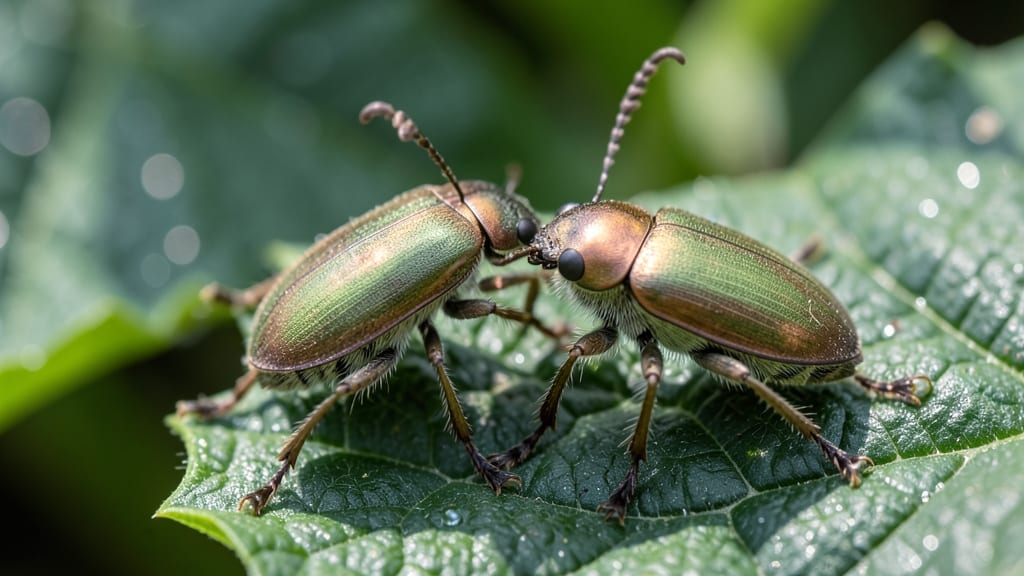
Learn how to deter cucumber beetles before they strip your vines bare—these striped pests chew through leaves, spread disease, and turn your cucumbers into a sad, wilted mess, but I've found a neem oil barrier that... stops them cold within hours of application.
The secret is timing, technique, and a little garden strategy.
Most gardeners panic when they spot the first beetle, but the real key is prevention: row covers in early spring, companion planting with nasturtiums or radishes, and crop rotation to break their life cycle.
Once they arrive, neem oil disrupts their feeding and reproductive cycle—just mix it right and apply it at dusk for maximum effect. I've saved entire plants with this method, even when beetles were already munching.
You'll see results within 24 hours: fewer holes in leaves, no more yellowing vines, and cucumbers that stay healthy enough to produce. The neem oil also prevents bacterial wilt, the silent killer of cucurbit crops.
Plus, it's safe for bees and other pollinators once it dries—just avoid spraying when flowers are open.
Works for cucumbers, squash, melons, and even pumpkins, whether you're growing in rows, raised beds, or containers. Here's the exact mix and schedule that's kept my garden beetle-free for three seasons running.
Root Causes of Cucumber Beetle Infestations
Cucumber beetles—those tiny, striped pests—don’t just appear out of nowhere. Their presence in your garden is usually the result of a mix of environmental, behavioral, and agricultural factors.
Understanding these root causes is the first step to effectively deterring them. Let’s break down why these beetles target your cucumbers, squash, and melons with such enthusiasm.
Cucumber beetles are highly selective feeders, and their menu is dominated by Cucurbitaceae—the plant family that includes cucumbers, squash, pumpkins, and melons. These crops produce volatile organic compounds (VOCs) like cucurbitacins and terpenoids, which act as chemical signals luring beetles to their favorite meals. 🍉
- Young, tender foliage is especially inviting because it’s rich in nitrogen and water, making it easy for beetles to feed and reproduce.
- Stressed plants (from drought, overwatering, or poor soil) emit even stronger distress signals, making them magnets for beetles.
- Weedy patches of wild cucumbers or squash nearby can serve as beetle breeding grounds, spilling over into your garden.
💡 Pro Tip: If you notice beetles early in the season, check for wild cucurbits growing nearby—these are often the first source of infestation.
Cucumber beetles thrive in warm, humid conditions, which is why they’re most active during late spring to early summer in temperate climates. Their life cycle is tightly linked to temperature:
- Adult beetles emerge when soil temperatures reach 55–60°F (13–16°C), often coinciding with cucumber planting season.
- Eggs hatch within 3–10 days in warm soil, and larvae (known as "wireworms") burrow into roots, causing secondary damage.
- Drought stress can actually attract more beetles—plants under water stress produce higher concentrations of sugars and amino acids, making them more palatable.
🌡️ Key Insight: Beetles are less active in cooler mornings or evenings, which is why early or late applications of deterrents (like neem oil) are most effective.
Unfortunately, some common gardening habits unintentionally invite cucumber beetles:
- Monocropping (planting only cucurbits) removes natural biodiversity, giving beetles uninterrupted access to food.
- Late planting—if cucumbers are planted after beetles have already established, they’re more vulnerable to immediate infestation.
- Over-fertilizing with nitrogen makes plants softer and more appealing, while under-fertilizing stresses them, making them easier targets.
- Poor garden rotation—if you plant cucurbits in the same spot year after year, beetles remember and return to feed on familiar hosts.
🔥 Warning: Even organic fertilizers can attract beetles if overapplied—balance is key!
Cucumber beetles aren’t just random visitors—they’re highly efficient reproducers with behaviors that ensure their survival:
- Females lay eggs in soil near host plants, timing hatches to coincide with new cucumber growth.
- Adults feed on flowers first, damaging them and reducing pollination, which weakens plant health.
- They spread bacterial wilt (Erwinia tracheiphila), a deadly pathogen that clogs plant vessels, making them more susceptible to beetle attacks.
✨ Surprising Fact: Some beetles migrate from nearby fields or forests, especially if your garden is close to abandoned farmland or wild plant patches.
While cucumber beetles have many natural enemies (ladybugs, lacewings, parasitic wasps, and birds), these predators often can’t keep up when beetle populations explode. Factors that disrupt this balance include:
- Pesticide use (even organic sprays can harm beneficial insects).
- Monoculture gardens (fewer hiding spots for predators).
- Urban or suburban gardens (where bird activity is limited).
🎯 Solution: Encouraging diverse plantings (like marigolds, dill, or alyssum) can attract predator insects and create a more balanced ecosystem.
Cucumber beetles don’t choose your garden randomly—they’re drawn by a perfect storm of plant chemistry, weather, gardening habits, and reproduction timing. The good news? Understanding these triggers lets you outsmart them before they become a full-blown problem.
Next up: How to disrupt their cycle with targeted, science-backed deterrents. 🚀
How to solve it
Cucumber beetles may be tiny, but their damage can be big—stripped leaves, wilted vines, and even bacterial wilt in your cucumbers. The good news? With the right strategies, you can deter, trap, and eliminate these pests before they wreak havoc.
Below, we’ve mapped out solutions tailored to the root causes of infestations, from prevention to quick fixes. Let’s get your garden back on track!
An ounce of prevention is worth a pound of cure—especially when it comes to cucumber beetles. These pests are drawn to your garden long before they lay eggs, so acting early is key.
- 🔥 Plant Smart: Interplant cucumbers with nasturtiums, radishes, or marigolds. These act as natural repellents, confusing beetles with their strong scents. Bonus: They add color and flavor to your garden!
- 🕰️ Time Your Planting: Avoid planting cucumbers too early in the season. Beetles emerge in late spring, so wait until after the last frost when soil is warm (60°F+). Use row covers (lightweight fabric) for the first 2–3 weeks to block adults from landing.
- 🌡️ Mulch Strategically: Apply straw or grass clippings around plants to disrupt beetle egg-laying. The thick layer also helps retain moisture, reducing plant stress—a beetle magnet!
- 💡 Pro Tip: If you’re starting seeds indoors, harden them off under a cage or mesh before transplanting. This buys you critical time to monitor for early signs of beetles.
Cucumber beetles hate certain textures and smells—turn your garden into a no-fly zone with these DIY defenses.
| Method | How to Do It | Why It Works |
|---|---|---|
| 🍳 Diatomaceous Earth (DE) | Sprinkle food-grade DE around plant bases and on leaves. Reapply after rain. | DE’s microscopic particles dehydrate beetles on contact—no chemicals needed! |
| 🌿 Neem Oil Spray | Mix 1 tbsp neem oil + 1 tsp mild soap + 1 quart water. Spray early morning on leaves (avoid flowers to protect pollinators). Reapply every 5–7 days. | Disrupts beetle feeding and reproduction. The oil smothers eggs and young larvae. |
| 🧂 Salt or Wood Ash | Create a 1-inch border of salt or wood ash around plant beds. Avoid overapplying to soil. | Beetles avoid these harsh, dry surfaces. Works best in container gardens. |
✨ Pro Tip: For a double defense, combine DE with neem oil. Apply DE in the morning and neem spray in the evening to maximize coverage.
Lure beetles away from your cucumbers with these low-effort traps—then dispose of them far from your garden.
- 🍺 Beer Traps: Bury a plastic cup filled with beer up to its rim. Beetles are attracted to the yeast and drown. Replace every 3–4 days.
- 🥕 Yellow Sticky Traps: Hang yellow cards coated with Tanglefoot near plants. Beetles are drawn to yellow (their color cue for cucurbit plants) and get stuck.
- 👨🍳 Hand-Picking: Check leaves early morning when beetles are sluggish. Drop them into soapy water (1 tbsp dish soap + 1 gallon water). Do this daily for heavy infestations.
- 🌡️ Water Spray: Blast beetles off plants with a strong stream of water in the morning. They’re less active then and easier to knock off.
💡 Pro Tip: Place traps away from your cucumber patch—even 10 feet away—to prevent beetles from returning.
If bacterial wilt or severe defoliation has already set in, act fast to save healthy plants and contain the damage.
- 🔪 Prune Infected Vines: Cut off wilting or yellowing leaves and burn or bag them (do not compost!). This stops the spread of bacterial wilt.
- 💧 Adjust Watering: Water plants at the base (not overhead) to reduce bacterial splash. Keep soil consistently moist but not soggy.
- 🌱 Replace Severely Damaged Plants: If a plant is beyond saving, pull it up and replace it with a resistant variety like ‘Lemon Cucumber’ or ‘Straight Eight’.
- 🧼 Clean Up Debris: Remove all plant residue at season’s end. Beetles overwinter in old vines and leaves—don’t give them a hiding spot!
🔥 Emergency Fix: For bacterial wilt, copper fungicide (like Copper Soap) can help prevent further spread. Spray weekly as a precaution.
Frequently asked questions
Can I use coffee grounds to deter cucumber beetles?
Yes! Sprinkle used coffee grounds around your cucumber plants—the strong scent repels beetles naturally. The caffeine in coffee acts as a mild deterrent, and the gritty texture also disrupts their movement. Reapply every 1-2 weeks or after rain for best results, especially around plant bases where eggs are laid.
How often should I apply neem oil for cucumber beetle control?
Apply neem oil every 5-7 days during active beetle season (late spring to summer). For maximum effectiveness, spray in the early morning when beetles are sluggish, and avoid spraying flowers to protect pollinators. Always mix with a drop of mild soap to help it stick to leaves.
Will row covers work if I already see beetles in my garden?
No, row covers only prevent beetles from reaching plants—they won't eliminate existing ones. Remove covers immediately if you spot beetles, then switch to targeted methods like neem oil or diatomaceous earth. For established infestations, combine row covers with traps (like beer bait) to catch adults while protecting new growth.
Are there any cucumber varieties that naturally resist beetles?
Yes! Varieties like 'Lemon Cucumber', 'Straight Eight', and 'Bush Champion' show better resistance. These types have tougher foliage and stronger scents that deter beetles. For extra protection, interplant with nasturtiums or radishes, which act as natural repellents while improving flavor in nearby cucumbers.
What should I do if my cucumber plants already have bacterial wilt?
Unfortunately, there's no cure for bacterial wilt—remove infected plants immediately and destroy them (don't compost). Prune healthy vines to encourage new growth, and apply copper fungicide weekly as a preventative. For next season, rotate crops and avoid planting cucurbits in the same spot for 3 years to break the disease cycle.