
How To
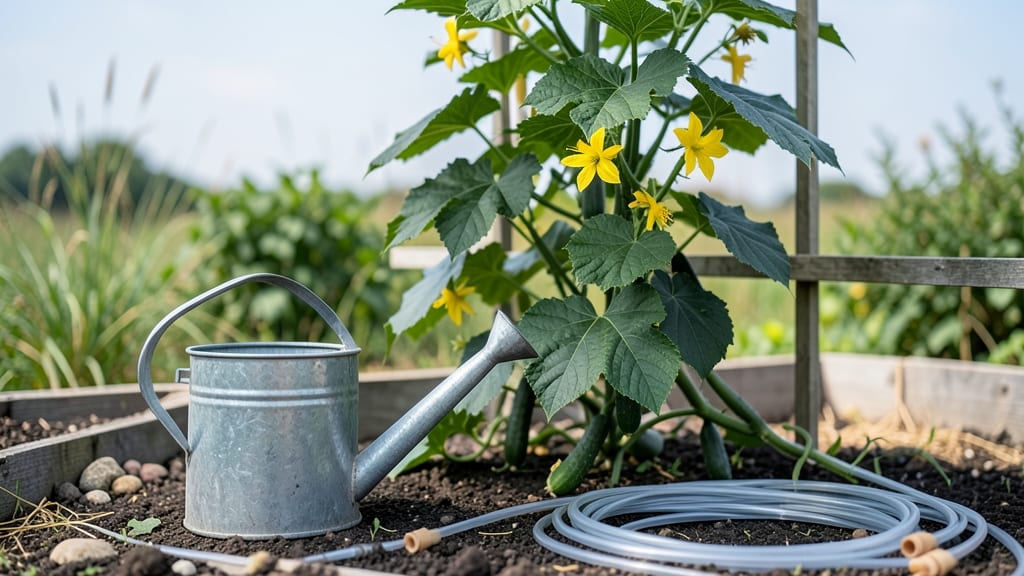
Cucumbers need about 1 inch of water per week to thrive, but getting that right is trickier than it sounds — too little and your vines wilt, too much and you risk rot.
Struggling to keep your 🥒 plants happy? Overwatering or underwatering can turn your lush vines into a sad, wilted mess, and the stakes are high when you’re counting on a bountiful harvest.
Here’s the secret: cucumbers love deep, consistent moisture, but they hate soggy roots. Whether you’re growing in containers or in the ground, the key is watering early in the morning and checking soil moisture before reaching for the hose.
Below, I’ll break down exactly how much water cucumbers need, how to tell if you’re over- or underwatering, and the best methods to keep your plants thriving all season long.
The 1-Inch weekly watering rule: how much cucumbers really need
Cucumbers are thirsty plants that demand consistent moisture to thrive, but many gardeners struggle with the balance between underwatering and drowning their vines. The 1-inch weekly watering rule is your golden ticket to lush, productive cucumbers—whether you're growing them in-ground or in containers.
This isn't just a guess; it's rooted in soil science and cucumber biology, where roots need deep hydration to reach their full potential.
Here's the catch: cucumbers hate fluctuating moisture levels. Their shallow but sprawling root systems (typically 6-12 inches deep) need steady dampness to prevent stress. Too little water causes blossom-end rot, while too much leads to root rot and vine collapse.
The 1-inch rule accounts for both extremes by ensuring your soil stays consistently moist without becoming waterlogged.
| Requirement | Specification | Notes |
|---|---|---|
| Weekly Water Target | 1 inch total | Adjust for rainfall (subtract collected rain) |
| Daily Watering | ½ inch (morning) | Split into 2 sessions for containers |
| Root Zone Depth | 6-12 inches | Water until moisture reaches 10-12 inches |
| Soil Moisture Goal | 60-70% capacity | Use moisture meter or finger test |
| Heatwave Adjustment | 1.5x normal rate | Increase to 1.5 inches/week when temps >90°F |
To measure that 1 inch of water, place a clear plastic ruler or empty tuna can in your garden bed. Water until the container collects 1 inch of water—this ensures you're hydrating the entire root zone.
For containers, water until 10-20% drains out the bottom, then repeat in 2-3 hours. This mimics the deep watering cucumbers crave in-ground.
Your soil type plays a huge role here. Sandy soil drains quickly, so you may need to water daily to maintain that 1-inch weekly target, while clay soil holds moisture longer and might only need watering every 2-3 days.
Always check moisture by sticking your finger 2 inches deep—if it's dry, it's time to water. If it's soggy, hold off to avoid root suffocation.
Young cucumber plants (first 4-6 weeks) need more frequent watering—about ½ inch every 2 days—because their root systems are still developing.
Once they're established, you can stretch to the 1-inch weekly rule. Morning watering is critical: it gives foliage time to dry before evening, reducing powdery mildew risk. Never water leaves directly; always aim for the soil base.
Container-grown cucumbers need special attention. Their roots have less soil volume to hold moisture, so you'll likely water every 1-2 days during hot weather. Use self-watering containers or mulch heavily (3-4 inches of straw or shredded leaves) to lock in moisture.
Without proper hydration, container cucumbers quickly show wilting leaves and stunted growth.
Watch for these tell-tale signs your cucumbers aren't getting enough water: yellowing leaves (especially older ones), crispy leaf edges, or drooping vines that don't perk up after watering.
Overwatering signs include mushy stems, yellowing leaves with green veins, and a sour smell from the soil. Adjust your watering immediately if you spot these.
Pro tip: Mulch is your best friend for cucumbers. A 3-inch layer of organic mulch (like straw or wood chips) keeps soil cool and moist, reducing evaporation by up to 30%.
This means your 1-inch weekly target becomes easier to maintain, especially during summer heatwaves. Plus, mulch suppresses weeds that compete for water and nutrients.
Remember, cucumbers are 95% water by weight, and their fruits need that moisture to grow crisp and sweet. When you nail the 1-inch weekly rule, you'll see faster vine growth, more flowers, and <
Signs of overwatering vs. underwatering: how to fix cucumber stress
Your cucumber plants might look healthy on the surface, but hidden watering issues can sabotage growth. Yellowing leaves, wilted vines, or blossom-end rot often signal trouble—but knowing the difference between overwatering and underwatering is key to saving them. Let’s decode the visual clues and fix the problem fast.
Start by checking the soil moisture and root health. Stick your finger 1-2 inches deep—if it’s soggy, you’re overdoing it. If dry, your cucumbers are thirsty. Both extremes stress plants, but the fixes couldn’t be more different. Let’s tackle the most common symptoms first.
⚠️ callout warning
Overwatering causes yellow leaves, mushy stems, and root rot. Underwatering leads to crispy edges, drooping vines, and blossom-end rot. The fix? Adjust soil moisture and water deeply—never shallowly!
Pro Tip: Use a moisture meter or the "finger test" to avoid guessing. Cucumbers hate soggy feet but need consistent moisture.
If your cucumber leaves turn yellow but stay firm, you’re likely overwatering. This forces roots to suffocate, cutting off oxygen. Dark green leaves with yellow undersides? That’s a classic sign.
Pull a plant gently—if roots smell rotten or look mushy, you’ve got root rot. Stop watering immediately and let the soil dry out.
For underwatered cucumbers, look for crispy leaf edges or wilted vines that don’t bounce back after watering. The soil might pull away from pot sides or feel bone-dry 1 inch deep. Blossom-end rot (black, sunken spots on fruits) also screams water stress.
Fix it by watering deeply 2x daily in heatwaves and mulching to retain moisture.
Your cucumber’s stem tells another story. Cracked stems or splitting vines often mean uneven watering—too much at once followed by drought. To prevent this, water slowly at the base (not overhead) and keep soil evenly moist.
If stems are soft or hollow, overwatering’s to blame—reduce frequency and improve drainage.
Here’s your quick-fix checklist: ☑️ Overwatered? Stop watering, improve drainage, and repot if needed. ☑️ Underwatered? Water deeply, mulch, and shade plants midday. ☑️ Blossom-end rot? Boost calcium (crushed eggshells) and water consistently. ☑️ Wilted but soil is wet? Prune damaged leaves and let soil dry slightly.
Watch your cucumbers bounce back in 3-5 days with the right care. The key? Consistency—never let them dry out or drown. Now go check those roots and give your plants the perfect drink! 🥒💧