
How To
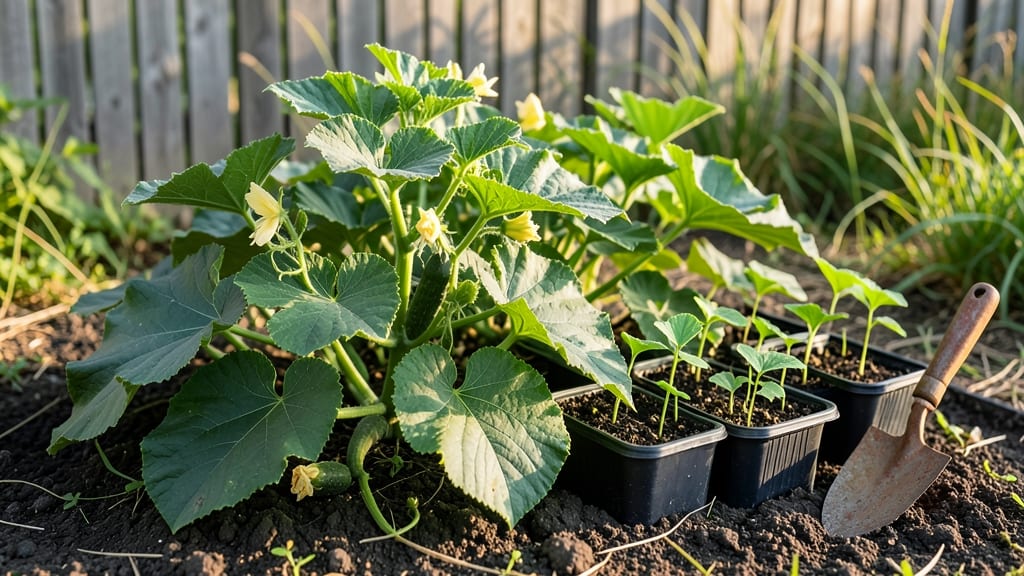
Planting 2 to 3 cucumber seeds per hole is the trick to strong, productive vines—yet many gardeners either waste seeds or end up with overcrowded plants.
If your 🥒 vines sprawl wildly or produce only a handful of cucumbers, the issue might start with how many seeds you’re cramming into each spot. Too few means missed opportunities; too many leads to competition for nutrients and stunted growth.
This guide breaks down the science behind spacing, whether you’re growing bush varieties or sprawling vines, and how to thin seedlings without stressing the roots.
You’ll learn the exact depth to plant, how to space holes for maximum yield, and when to pull weak seedlings—so you can go from patchy harvests to a bounty of crisp, homegrown cucumbers.
Optimal cucumber seed spacing: how many seeds per hole for maximum yield
Getting the cucumber seed spacing right is one of the simplest ways to boost your harvest. Most gardeners plant 2-3 seeds per hole, but the exact number depends on your cucumber variety type, soil quality, and local climate conditions.
Planting too many seeds wastes resources, while too few leaves gaps that pests or weeds can fill.
For bush cucumber varieties, which stay compact (typically 3-5 feet tall), you can plant 2 seeds per hole with 12-18 inches of spacing between holes. These varieties are perfect for containers or small gardens.
Meanwhile, vining cucumbers, which can stretch 10-20 feet, need more room—3 seeds per hole with 36-72 inches between holes—to prevent overcrowding and disease.
| Cucumber Type | Seeds Per Hole | Spacing Between Holes | Soil Depth | Best For |
|---|---|---|---|---|
| Bush Varieties (e.g., 'Bush Champion') | 2 seeds | 12-18 inches | 1 inch | Containers, small gardens |
| Semi-Bush Varieties (e.g., 'Sweet Success') | 2-3 seeds | 18-24 inches | 1 inch | Raised beds, trellised rows |
| Vining Varieties (e.g., 'Straight Eight') | 3 seeds | 36-72 inches | 1 inch | Large gardens, trellises |
| All Varieties (Poor Soil) | 3 seeds | Follow variety spacing | 1-1.5 inches | Nutrient-poor soil |
If you're growing cucumbers in poor soil quality, planting 3 seeds per hole increases your chances of at least one seedling thriving. The extra seeds act as a backup, especially if your soil lacks nutrients or has uneven moisture.
Always plant seeds 1 inch deep—deeper planting can cause slow germination or rot.
In hot, dry climates, spacing seeds closer together (e.g., 12 inches apart) can help retain soil moisture, but this only works for bush varieties. For vining types, wider spacing is non-negotiable to prevent powdery mildew and cucumber beetles, which thrive in crowded, humid conditions.
Always mulch after planting to lock in moisture and suppress weeds.
Another key factor is seed viability. Older seeds may not germinate, so planting 2-3 seeds per hole ensures at least one strong seedling emerges. Test seeds by soaking them in water for 24 hours—if they sink, they’re likely viable. Discard any seeds that float or show cracks.
After germination, thin seedlings to the strongest plant per hole once they reach 2-3 inches tall. Use sharp scissors to cut weak seedlings at soil level to avoid disturbing the roots of remaining plants.
This step reduces competition for water and nutrients, leading to healthier vines and bigger cucumbers.
For container gardening, limit yourself to 1-2 seeds per container (5-gallon pots or larger). Overcrowding in pots leads to stunted growth and poor air circulation. If using a trellis system, you can plant 2 seeds per hole but prune vines aggressively to direct energy upward.
Remember, overcrowding isn’t just about space—it also affects pollination. Cucumbers rely on bees or wind to transfer pollen. If plants are too close, flowers may not receive enough pollinators, reducing fruit set. Space plants according to their mature size to ensure proper airflow and pollination.
Finally, always rotate your cucumber crops yearly to prevent soil-borne diseases. If last year’s cucumbers struggled with root rot or fusarium wilt, adjust your seed spacing and amend the soil with compost or organic matter before replanting.
When to thin cucumber seedlings: step-by-step guide to avoid overcrowding
Thinning cucumber seedlings might seem cruel, but it’s one of the most important steps to ensure strong, productive plants. When you plant 2-3 seeds per hole, you’re essentially giving nature a choice—only the strongest seedling will thrive.
The key is timing: thin too early, and you risk damaging delicate roots; wait too long, and you’ll stunt growth from overcrowding.
Most cucumber varieties need 2-4 true leaves before thinning, which usually happens 10-14 days after germination. This stage ensures seedlings have developed enough energy reserves to survive the process.
If you’re growing bush varieties, thin to 1 plant per hole, while vining types can sometimes keep 2 plants if spaced far enough apart.
Step-by-Step Thinning Guide
- Step 1: Wait until seedlings have 2-4 true leaves (not just cotyledons, the first tiny leaves).
- Step 2: Water the area 1 hour before thinning to soften the soil and reduce stress on plants.
- Step 3: Use clean, sharp scissors or pruners to cut seedlings at soil level. Avoid pulling to prevent disturbing roots of remaining plants.
- Step 4: Choose the healthiest seedling (darkest green, sturdiest stem) to keep. If unsure, pick the one closest to the center of the hole.
- Step 5: Repurpose thinned seedlings by transplanting them 12 inches away or adding to compost (avoid throwing them out—they’re still useful!).
Thinning isn’t just about removing plants—it’s about giving the survivors room to grow. After thinning, focus on keeping the soil moist but not soggy and mulching to retain moisture. Avoid fertilizing immediately, as young plants are still adjusting to their new space.
One common mistake is thinning too late, which leads to weak, leggy plants competing for sunlight and nutrients. Another is using your hands to pull seedlings, which can uproot the remaining plant. Always cut at the base for a clean removal that minimizes damage.
If you’re growing cucumbers in containers or small spaces, thinning is even more critical. Overcrowded seedlings will struggle to reach their full potential, leading to fewer fruits. Pro tip: Mark your planting holes with toothpicks or stakes before sowing to visualize spacing and avoid confusion during thinning.
After thinning, monitor your cucumber plants for signs of stress like yellowing leaves or stunted growth. These can indicate overcrowding or poor soil conditions. With the right spacing and care, your cucumbers will reward you with bushy vines and abundant harvests all season long. 🥒