
Vegetables
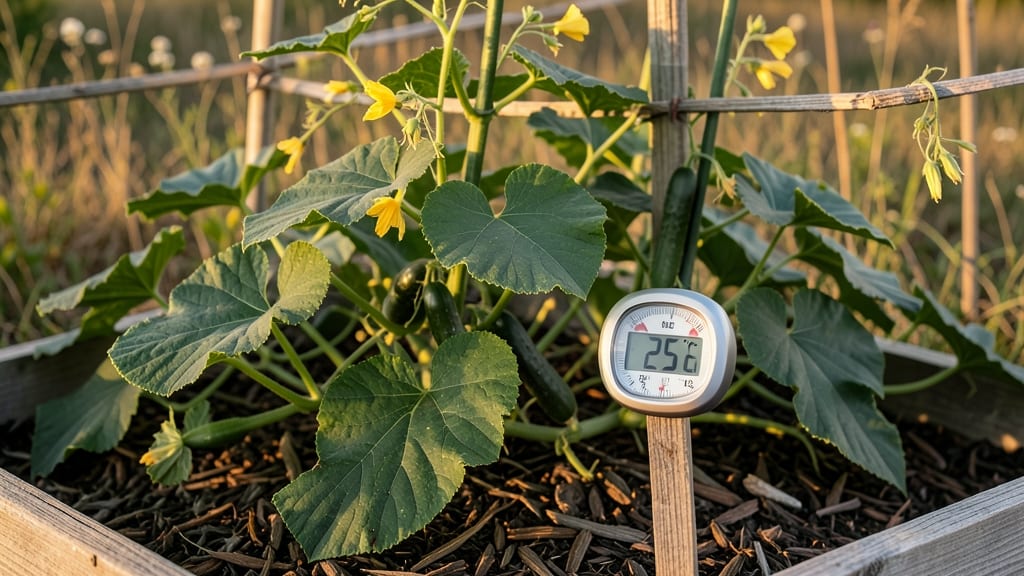
Cucumbers tolerate cold down to 50°F (10°C) at night but will suffer damage if temperatures dip below 45°F (7°C) for more than a few hours 🥒 — and frost is a death sentence for these heat-loving plants.
Picture this: you’ve nurtured your cucumber patch all season, only for a late spring chill to turn your vines into a sad, mushy mess. The good news? With the right knowledge, you can protect your plants from cold stress and even extend their growing season in cooler climates.
Most gardeners assume cucumbers are frost-sensitive, but they can actually handle brief cold snaps if you take proactive steps. Understanding their temperature limits is the key to avoiding crop loss and keeping your garden thriving.
In this guide, I’ll break down the exact cold thresholds cucumbers can survive, how to spot frost damage early, and five practical strategies to shield your plants from chilly weather—so you can enjoy fresh cucumbers well into the season.
Cucumber cold tolerance limits: exact temperatures before frost damage
Cucumbers thrive in warm weather, but their cold tolerance limits are often misunderstood. As a gardener who’s learned the hard way that 50°F (10°C) at night can stress young plants, I’ve tracked how these heat-lovers react to chilly conditions.
The key difference lies between temporary cold snaps and prolonged frost—and understanding these thresholds can save your entire crop.
Most cucumber varieties originate from tropical regions, making them highly sensitive to cold. While mature plants might handle brief 55°F (13°C) temperatures during the day, their roots struggle below 60°F (15°C).
The real danger comes at night: temperatures dropping to 45°F (7°C) or lower trigger irreversible damage within hours. This is where many gardeners mistakenly assume their plants can "tough it out" overnight.
Here’s the critical breakdown: cucumbers can endure short-term exposure to 40°F (4°C) if the rest of the day stays warm, but any frost (32°F/0°C or below) will kill foliage and stunt growth.
The roots, buried deeper, are slightly more resilient but still suffer when soil temps drop below 50°F (10°C) for more than 24 hours.
The science behind this sensitivity lies in cucumbers' tropical origins. Their cell membranes contain high levels of unsaturated fats that remain fluid only in warm conditions. When temperatures drop, these fats solidify, disrupting nutrient flow and causing cellular damage.
The first visible sign? Leaf edges curling downward—a clear SOS from your plants before more severe symptoms appear.
Young seedlings are especially vulnerable, with 45°F (7°C) nighttime temps potentially killing them outright. That’s why I always wait until soil temperatures reach 60°F (15°C) before transplanting, even if air temps seem warm.
The roots absorb heat more slowly than leaves, so this precaution prevents early-season setbacks. For container-grown cucumbers, the risk is even higher—their roots have less insulation from the soil.
An often-overlooked factor is humidity levels. Cucumbers in dry, cold air (below 50% humidity) suffer more than those in damp conditions, as moisture helps insulate plant tissues.
This is why gardeners in USDA Zones 8-10 can sometimes push cucumbers into early spring—humidity buffers the cold. In contrast, arid climates require extra protection even at slightly cooler temps.
For those in Zone 7 or colder, the solution isn’t just about timing—it’s about microclimates. I’ve successfully grown cucumbers in my backyard by placing them near south-facing walls that absorb daytime heat and radiate it at night.
Even a black plastic mulch can raise soil temps by 5-10°F, extending the growing window by weeks. The goal? Keep roots above 55°F (13°C) at all costs.
One common mistake I’ve seen is assuming "hardened" cucumbers can handle cold like winter squash. While some varieties like
Signs of cold stress in cucumbers: how to identify frost damage early
Cucumbers are heat-loving plants that wilt faster than a summer day when temperatures dip. Even a light frost can leave your cucumber vines looking sad and stunted. The key to saving your harvest is spotting cold stress early—before the damage becomes permanent.
I’ve learned this the hard way after watching my prized Bush Champion plants turn mushy overnight.
Cold stress in cucumbers often starts with subtle visual cues that many gardeners miss. If you catch these signs early, you might still revive your plants.
But if you ignore them, your entire crop could become a frosty disappointment. Let’s break down what to watch for and what to do next.
⚠️ Cucumber Cold Tolerance Limits
Cucumbers can tolerate temperatures down to 50°F (10°C) for short periods, but prolonged exposure below 55°F (13°C) causes stress. Frost (32°F/0°C or lower) will kill them instantly. Even light freezes (28-32°F/-2 to 0°C) can stunt growth and reduce yields by up to 70%.
The first sign of cold stress is often yellowing leaves, especially on the older foliage. This happens when the plant’s chlorophyll breaks down due to cold damage. Check the leaf edges first—if they’re curling or turning yellow, your cucumbers are already struggling.
I once thought my plants were just nutrient-deficient until I noticed the evening temps dropping below 50°F.
Next, watch for stunted growth or wilting vines, even when the soil is moist. Cold stress disrupts the plant’s ability to absorb water, leading to flaccid stems and drooping leaves. If you touch the vines and they feel soft or mushy, the damage is likely irreversible.
At this stage, it’s time to decide whether to prune back the affected parts or replace the plant entirely.
Another red flag is blossom drop or failed fruit set. If your cucumber flowers aren’t producing fruit despite warm days, cold nights could be the culprit. Cucumbers need consistent warmth to pollinate properly. If you’re seeing aborted flowers or small, deformed cucumbers, your plants are under stress.
In my garden, this happened last fall when a 50°F night followed a 90°F day—the temperature swing confused the plants.
If you spot these signs, act fast. Prune away the most damaged leaves to redirect energy to new growth. Mulch heavily around the base to insulate the roots, and consider using a row cover to trap heat.
For container-grown cucumbers, move them to a sheltered spot or even indoors near a sunny window. With quick action, you might still salvage your crop—but if the damage is severe, it’s better to replace the plant and focus on prevention next season.
Remember, cucumbers are tropical plants at heart. They thrive in warmth and humidity, not chilly mornings. If you’re in a cooler climate, plan ahead by choosing early-maturing varieties or extending the season with greenhouse growing.
The sooner you recognize the signs of cold stress, the better your chances of keeping your cucumbers happy—and your harvest bountiful.