
Vegetables
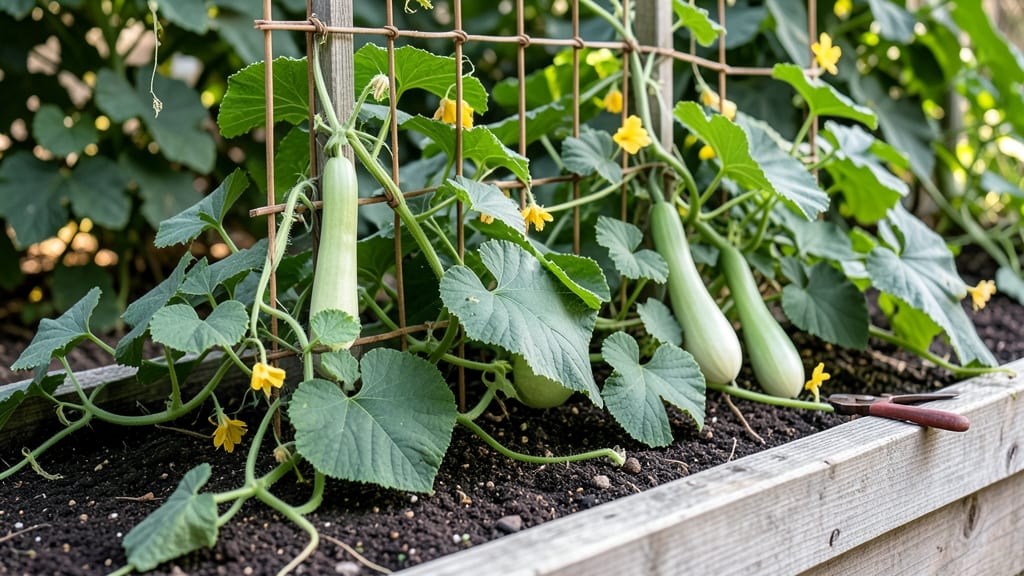
Choosing the right honeydew cucumber strain makes all the difference between a handful of bitter fruits and a bountiful harvest of sweet, crisp melons. 🌱 I learned this the hard way after planting a random seed packet that produced tiny, seedy cucumbers—until I switched to disease-resistant hybrids like 'Sweet Success' or 'Minnesota Midget.'
These varieties pack hybrid vigor that fights powdery mildew and downy mildew, the two biggest threats to honeydews.
The secret to growing them well starts with warm soil—wait until nighttime temperatures stay above 60°F before planting. Honeydews need full sun (6-8 hours daily) and rich, well-draining soil mixed with compost.
Trellising is a game-changer: vines sprawl 6-10 feet, but vertical growth keeps fruits clean, reduces rot, and makes harvesting easier. I use a sturdy 5-foot trellis with soft ties to avoid bruising the delicate skin.
Watering matters most—deep but infrequent sessions prevent blossom-end rot and cracked fruits. Aim for 1-1.5 inches per week, delivered at the base (not overhead). A balanced fertilizer (like 10-10-10) at planting, followed by a low-nitrogen feed when flowers appear, boosts sweetness.
The payoff? Smooth, golden-green melons with thick skin and minimal seeds, ready to harvest when they feel heavy and emit a sweet scent—usually 70-80 days after planting.
Common pitfalls? Overcrowding (space vines 3-4 feet apart) and ignoring pests like cucumber beetles (use row covers early). With the right strain and care, you’ll enjoy 3-5 pounds of honeydews per plant—enough to share (or freeze) for winter.
The flavor? A creamy, honey-like sweetness that’s 10 times better than store-bought. Worth every effort.
📚 In This Guide
- What you need
- Instructions
- Tips and common mistakes
- Wrapping up and next steps
What you need
- ● Honeydew cucumber seeds (hybrid strain): 5–10 seeds (or 3–5 plants if buying transplants). Look for disease-resistant varieties like 'Sweet Gran' or 'Honey Bush'.
- ● Quality potting mix: 10–15 lbs (or a 5-gallon bag) of well-draining, organic soil (e.g., Miracle-Gro Potting Mix or Fox Farm Ocean Forest).
- ● Containers or garden bed: Containers: 5-gallon pots or larger (1 plant per 1–2 gallons of soil).
- ● Garden bed: Full sun (6+ hours/day) with loose, fertile soil (amend with compost if needed).
- ● Compost or organic fertilizer: 1–2 cups of balanced fertilizer (e.g., 10-10-10) or compost tea for nutrient boosts.
- ● Gloves & gardening trowel – For planting and soil prep.
- ● Watering can or hose with gentle nozzle – Cucumbers need consistent moisture!
- ● Trellis or stakes (5–6 ft tall) – Supports vines and improves airflow (reduces disease).
- ○ Row cover or shade cloth (optional) – Protects young plants from pests or intense sun.
- ● Pruning shears – For trimming excess vines or yellow leaves.
- ● Warm weather: Honeydew cucumbers thrive in 70–90°F (21–32°C) soil temps. Wait until after the last frost to plant.
- ● Sunlight: Commit to a south-facing spot or use grow lights for indoor setups.
- ● Patience: Germination takes 5–10 days, and harvests start in 70–90 days.
How to grow disease-resistant honeydew cucumbers
Hybrid vigor makes all the difference—here’s how to coax those sweet, bountiful honeydews from seed to harvest.
🌱 Step 1: Start Seeds Indoors for a Head Start
Begin seeds 4-6 weeks before your last frost date, using biodegradable pots to avoid root disturbance. Fill them with sterile seed-starting mix (never garden soil—it’s too dense and prone to damping-off). Plant 2 seeds per pot, just ½ inch deep, since honeydew cucumbers have large seeds. Press lightly to ensure good soil contact, then mist gently with water until the surface looks damp but not soggy.
Cover the pots with plastic wrap or a humidity dome to retain warmth and moisture—cucumbers germinate best at 75-85°F. Place them in a warm spot (like on top of the fridge) until sprouts appear in 5-10 days. Once seedlings emerge, remove the cover immediately to prevent fungal growth. You’ll know they’re ready for transplant when they develop 2 true leaves—that’s your cue to harden them off.
☀️ Step 2: Transplant to Warm Soil and Full Sun
Wait until soil temperatures reach at least 60°F before moving seedlings outdoors. Honeydew cucumbers thrive in full sun (6-8 hours daily), so choose a location with south-facing exposure or use a trellis for vertical growth. Bury the biodegradable pots 1 inch deeper than they were planted—this encourages stronger root development at the stem base.
Space plants 3-4 feet apart in rows 5 feet apart to allow airflow and reduce disease risk. If you’re growing in containers, use large pots (at least 15 gallons) with multiple drainage holes. Water deeply at transplanting to settle the soil and reduce shock. You’ll see new growth within 3-5 days—that’s your signal the plants are established.
💧 Step 3: Water Deeply and Mulch for Consistent Moisture
Cucumbers need 1-2 inches of water weekly, but deep, infrequent watering prevents powdery mildew and blossom-end rot. Water at the base of the plant in the morning to allow foliage to dry quickly. Use drip irrigation or soaker hoses if possible—overhead watering spreads fungal spores. Mulch with straw or shredded leaves to retain moisture and suppress weeds, which compete for nutrients.
Watch for wilting in the heat—honeydews are sensitive to drought stress. If leaves curl or yellow, it’s a sign of uneven moisture. Adjust your watering schedule until the soil feels consistently damp 2 inches below the surface. Avoid wetting the leaves when possible, especially in humid conditions.
✂️ Step 4: Prune and Train for Maximum Yield
Remove suckers (small shoots forming in the leaf axils) to direct energy into fruit production. Honeydew cucumbers benefit from vertical support—train vines up a trellis or cage to improve airflow and reduce disease. Prune yellow or diseased leaves immediately to prevent spread. You’ll notice faster growth and larger fruits when vines are properly supported and pruned.
Harvest when cucumbers reach 8-10 inches long and develop a creamy yellow hue—waiting too long results in seedy, bitter fruit. Use pruning shears to cut stems cleanly, leaving a small portion attached to the vine. Regular harvesting encourages more production. Store in the fridge for up to 5 days or enjoy fresh within 2-3 days for peak sweetness.
Tips & tricks for growing disease-resistant honeydew cucumbers
These pro insights will help you maximize your hybrid cucumbers' natural disease resistance while boosting yield and flavor.
Seed Starting Secret: I learned the hard way that sterile seed-starting mix is non-negotiable—regular garden soil contains pathogens that can kill tender cucumber seedlings before they even sprout. The 75-85°F germination temperature range is critical too; if your home stays cooler, consider using a seedling heat mat. Once those first true leaves appear (around day 10-14), I recommend a gradual hardening process: move pots outside for 1 hour each day, increasing time incrementally over 7 days before full transplant.
Transplant Timing: That 60°F soil temperature minimum isn't just about warmth—it's about preventing transplant shock. I've found that checking soil temp with a simple thermometer at 6 inches deep gives more accurate readings than surface tests. For container growers, burying biodegradable pots 1 inch deeper than planted creates stronger root systems that can better resist fungal diseases. The 3-4 foot spacing between plants might seem generous, but it's essential for airflow that prevents powdery mildew.
Watering Wisdom: The 1-2 inches weekly guideline assumes average summer conditions—adjust upward during heatwaves (up to 3 inches) and downward in cooler months. I've had best success with drip irrigation on a timer set for early morning, which keeps foliage dry and reduces fungal pressure. That 2-inch soil moisture check should be done by hand—digital moisture meters can give false readings in dense planting media. The mulch layer isn't just about moisture retention; it also blocks soil-borne pathogens from splashing onto leaves during watering.
Harvest Cues: Those 8-10 inch size guidelines might seem broad, but the creamy yellow color is your true indicator of perfect ripeness. I harvest every 2-3 days during peak production to prevent overcrowding on the vine, which stresses plants and makes them more susceptible to disease. The 5-day fridge storage limit is strict—honeydews continue ripening even after harvest, so enjoy them fresh when possible. For container growers, I recommend harvesting slightly earlier (around 7-8 inches) to prevent vines from becoming overburdened.
Pro Tips for Honeydew Cucumber Strain
- These pro insights will help you maximize your hybrid cucumbers' natural disease resistance while boosting yield and flavor.
- Seed Starting Secret: I learned the hard way that sterile seed-starting mix is non-negotiable—regular garden soil contains pathogens that can kill tender cucumber seedlings before they even sprout.
- Transplant Timing: That 60°F soil temperature minimum isn't just about warmth—it's about preventing transplant shock.
Frequently asked questions
Got questions about growing the honeydew cucumber strain? You’re not alone! Here are answers to the most common queries to help you cultivate a thriving, disease-resistant harvest.
What makes the honeydew cucumber strain different from regular cucumbers?
The honeydew cucumber strain is a hybrid variety bred for sweeter, milder flavor and thicker, smoother skin compared to standard slicing cucumbers. It’s also more disease-resistant, especially to powdery mildew and downy mildew, making it ideal for organic or high-humidity gardens. Plus, its light green, almost honey-colored rind adds a unique aesthetic to your harvest!
How long does it take for honeydew cucumbers to mature?
Expect 55–70 days from transplanting to harvest, depending on your climate and growing conditions. In warm regions, you might see fruits as early as 45–50 days, while cooler areas may take closer to 70 days. Pro tip: Prune side shoots to direct energy to fruit production, speeding up maturity!
Can honeydew cucumbers grow in containers, or do they need a full garden bed?
This strain thrives in 5-gallon containers or larger, as long as they have drainage holes and support for vining (like trellises or cages). Just ensure the pot is at least 12–18 inches deep and use a lightweight potting mix to prevent root stress. Bonus: Container growing reduces disease risk from soil-borne pathogens!
What should I do if my honeydew cucumbers develop yellow leaves or spots?
Yellow leaves or spots often signal overwatering, nutrient deficiency, or disease. First, check soil moisture—honeydews hate soggy roots! If leaves are crispy with brown edges, it’s likely underwatering or salt buildup. For powdery mildew (white powdery patches), spray with neem oil or baking soda solution (1 tbsp baking soda + 1 quart water + a drop of dish soap). Prevention tip: Space plants 18–24 inches apart for airflow!
Are honeydew cucumbers good for pickling, or should I stick to slicing?
While honeydews are best for fresh eating, salads, or smoothies due to their sweet, tender flesh, you can pickle them—but expect a softer, less crunchy result than standard pickling cucumbers. For pickling, choose smaller, firmer fruits (under 6 inches) and use a vinegar brine to preserve texture. Alternative: Try them in cucumber-lemonade or gazpacho for a refreshing twist!
Wrapping up and next steps
Growing a honeydew cucumber strain with hybrid vigor is your ticket to a thriving, disease-resistant garden—no green thumb required! 🌱 Whether you’re battling powdery mildew or simply craving sweeter, juicier harvests, these varieties pack the perfect blend of resilience and flavor.
With the right soil, spacing, and care, you’ll soon be reaping bountiful, melon-like treats that outshine store-bought options.
Ready to take the next step? Start with one hybrid strain, experiment with companion planting, and watch your garden transform! 🌟 Grab seeds or seedlings today and turn your backyard into a honeydew haven.