
Vegetables
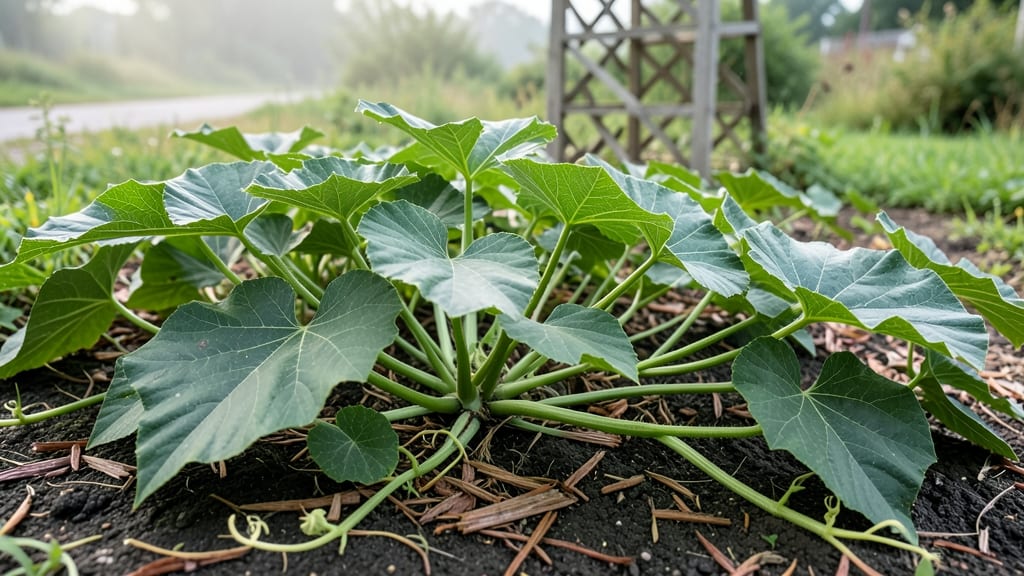
A healthy cucumber leaf is the foundation of a thriving plant—because nothing beats the crunch of a perfectly fresh salad cucumber, and I’ve battled everything from powdery mildew to spider mites to keep mine lush. 🌱 thriving all season long.
The key? Catching problems early before they turn your leaves into a sad, wilted mess.
Most unhealthy leaves start with one of three culprits: pests hiding on the undersides, fungal spores spreading in damp conditions, or simple nutrient gaps from poor soil. Spider mites leave tiny yellow specks, powdery mildew coats leaves in white dust, and overwatering causes yellowing edges.
The good news? All of these have organic fixes—neem oil for pests, copper spray for mildew, and a balanced fertilizer for weak growth.
With the right care, your cucumber leaves will stay crisp and glossy, packed with nutrients and ready for slicing. I’ll show you how to spot trouble early, treat it naturally, and keep your plants producing those perfect, crunchy leaves all summer. No more sad, limp cucumbers—just vibrant, salad-ready greens.
Whether you’re dealing with a new plant or reviving a struggling one, these steps work for containers, trellises, or in-ground beds. Let’s get those leaves looking their best so you can enjoy the harvest you’ve been waiting for.
📚 In This Guide
- What you need
- Instructions
- Tips and common mistakes
- Wrapping up and next steps
What you need
- ● Cucumber leaves: 1 medium bunch (about 10–15 large, vibrant leaves) – Choose organic if possible for maximum freshness and flavor.
- ● Fresh cucumbers: 1–2 medium cucumbers (English or Persian work best) – Look for firm, unblemished skins.
- ○ Salad greens: 2 cups mixed greens (spinach, arugula, or butter lettuce) – Optional but recommended for texture!
- ● Dressing ingredients: 2 tbsp olive oil
- ● 1 tbsp lemon juice (or apple cider vinegar)
- ● 1 tsp honey or maple syrup
- ● Salt and pepper to taste
- ○ Optional: 1 clove garlic (minced) or ½ tsp garlic powder
- ● Sharp chef’s knife (or a pairing knife for precision)
- ● Cutting board (preferably wooden or bamboo to preserve knife sharpness)
- ● Large mixing bowl (for tossing greens)
- ● Small bowl (for dressing)
- ○ Tongs or salad spinner (optional, for drying leaves)
- ○ Microplane or grater (optional, for zesting cucumber rind)
- ● ¼ cup crumbled feta or goat cheese
- ● ¼ cup toasted nuts (walnuts, almonds, or pecans)
- ● ¼ cup sliced radishes or edible flowers
- ● Fresh herbs (mint, dill, or basil)
- ● Sliced avocado or cherry tomatoes
How to grow crisp, nutrient-rich cucumber leaves for salads
Here's my foolproof method for growing cucumber leaves that stay crisp, flavorful, and packed with nutrients—no bitter aftertaste in sight.
🌱 Step 1: Select the Right Cucumber Variety
Not all cucumbers produce great leaves for eating. Look for varieties specifically bred for leaf production, like 'Armenian' or 'Lemon' cucumbers, which yield tender, flavorful foliage. Avoid standard slicing cucumbers—their leaves tend to be tough and bitter.
Start with seeds or young plants from a reputable nursery. If using seeds, sow them ½ inch deep in well-draining soil and keep the soil consistently moist until germination, which typically takes 5-10 days in 70-80°F conditions. You'll know it's working when the first true leaves appear—those are the ones you'll eventually harvest.
☀️ Step 2: Provide Ideal Growing Conditions
Cucumber leaves thrive in full sun, so place your plants in a spot where they’ll get at least 6-8 hours of direct sunlight daily. If growing in containers, move them outdoors during the day and bring them inside at night if temperatures drop below 55°F.
Use a balanced fertilizer (like 10-10-10) at planting and again when vines start to run. Water at the base of the plant to keep leaves dry—wet foliage invites fungal diseases. You'll see healthy, glossy leaves forming within 3-4 weeks—that’s your cue that the plant is happy and ready for leaf harvesting.
💧 Step 3: Harvest Leaves at Peak Freshness
Pick leaves when they’re 3-5 inches long and still tender. Use clean scissors or pinch them off just above a leaf node to encourage new growth. Harvest in the morning when leaves are crispest and most flavorful—this ensures they stay fresh longer.
Don’t take more than ⅓ of the plant’s leaves at once, or you’ll stunt growth. If you see older leaves yellowing, remove them immediately to redirect the plant’s energy to newer, healthier growth. You’ll notice a steady supply of fresh leaves if you harvest regularly—this method keeps the plant productive for weeks.
✂️ Step 4: Maintain for Continuous Harvests
After each harvest, give the plant a light feeding with a low-nitrogen fertilizer to encourage leafy regrowth. Prune any yellow or damaged leaves to prevent pests and diseases from taking hold. If growing in containers, rotate them quarter-turn weekly so the plant grows evenly toward the light.
Watch for signs of stress like wilting or curled leaves—these mean the plant needs more water or shade. With proper care, your cucumber plant will keep producing crisp, nutrient-packed leaves for salads, wraps, or stir-fries all season long. The key is consistency: water, sunlight, and timely harvesting keep them tasting fresh and vibrant.
Tips & tricks for perfect crispy cucumber leaves
Here's what nobody tells you about growing cucumber leaves that stay crisp and delicious.
Variety Matters: The 'Armenian' or 'Lemon' cucumber varieties are your best bet for tender, flavorful leaves. I tried growing regular slicing cucumbers once, and ended up with tough, bitter leaves that were barely edible. Those specialty varieties are bred specifically for leaf production, so they're worth seeking out at your local nursery or through seed catalogs.
Germination Secret: When planting seeds, maintain that consistent moisture in the soil—think of it like giving your seeds a warm bath. I learned this the hard way after losing a batch to dry soil. Use a spray bottle to keep the soil damp, especially during those first critical 5-10 days while germination happens. The ideal 70-80°F temperature range speeds things up, but don't worry if your home is cooler—just be patient and keep that soil moist.
Sunlight Strategy: Those 6-8 hours of direct sunlight are non-negotiable for crisp leaves. I've found that morning sun is particularly important—it gives the leaves time to dry out slightly during the day, preventing that soggy texture. If you're growing in containers, consider a sunny windowsill or a small greenhouse setup to maximize those light hours. Remember, cucumber leaves are sun worshippers!
Harvesting Hack: Always harvest in the morning when leaves are at their peak crispness. I've noticed that leaves harvested later in the day tend to wilt faster, even when stored properly. Use clean scissors to make precise cuts just above a leaf node—this encourages the plant to produce even more leaves. And remember, never take more than ⅓ of the leaves at once, or you'll be left with a sad, stunted plant.
Pro Tips for Healthy Cucumber Leaf
- Here's what nobody tells you about growing cucumber leaves that stay crisp and delicious.
- Variety Matters: The 'Armenian' or 'Lemon' cucumber varieties are your best bet for tender, flavorful leaves.
- Germination Secret: When planting seeds, maintain that consistent moisture in the soil—think of it like giving your seeds a warm bath.
Frequently asked questions
Got questions about using healthy cucumber leaves? You’re not alone! Here are some common queries—and their answers—to help you make the most of this crisp, nutrient-packed addition to your meals.
Can I eat cucumber leaves raw, or do I need to cook them?
Yes! Cucumber leaves are perfectly safe and delicious raw. Their mild, slightly peppery flavor (similar to celery or cucumber skin) pairs beautifully with salads, wraps, or as a garnish. For a milder taste, lightly wilt them in warm water for 30 seconds before using. Pro tip: Rinse them well to remove dirt or pesticide residue.
How long do cucumber leaves stay fresh in the fridge?
Store cucumber leaves in an airtight container lined with a paper towel to absorb moisture. They’ll stay fresh for 5–7 days in the crisper drawer. For longer storage, blanch them (dip in boiling water for 10 seconds, then ice bath) and freeze for up to 3 months. Freezing works best for cooking, not raw use.
What’s the best way to clean cucumber leaves thoroughly?
Fill a large bowl with cold water and submerge the leaves for 5 minutes to loosen dirt. Drain, then rinse under running water. For stubborn grime, soak in a mix of 1 cup water + 1 tsp vinegar for 10 minutes before rinsing again. Never use soap—it leaves residue.
Are cucumber leaves a good substitute for spinach or kale?
They’re lighter and milder than kale but pack a similar nutrient punch (rich in vitamins K and C). Use them 1:1 in salads or smoothies, but note they’re less dense, so bulk up recipes with other greens if needed. Bonus: Their texture adds a fun crunch!
Why do my cucumber leaves turn yellow or wilt quickly?
Yellowing often signals over-maturity or ethylene gas exposure (common near fruits like apples). Wilting can mean dryness—trim the stems and soak in ice water for 10 minutes to revive them. If leaves smell sour or slimy, discard them—they may be spoiled. Store them separately from ethylene-producing foods to extend freshness.
Wrapping up and next steps
Incorporating healthy cucumber leaves into your meals is a simple yet powerful way to boost nutrition, texture, and flavor—all while keeping your dishes fresh and vibrant! 🌿 Whether you’re tossing them into salads, blending them into smoothies, or using them as a crispy wrap, these underrated greens pack a punch with vitamins, minerals, and antioxidants.
Don’t let their mild taste fool you—they’re a game-changer for health-conscious eaters.
Ready to elevate your meals? Start by experimenting with just one recipe this week—maybe a zesty cucumber leaf salad or a refreshing wrap. Your taste buds (and body) will thank you! 💚