
Container Gardens
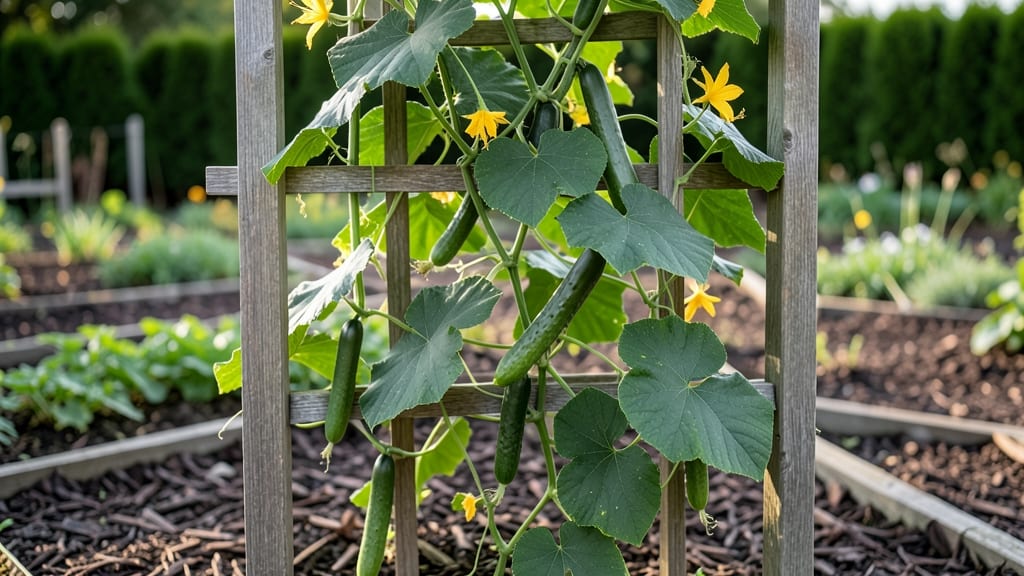
Persian cucumbers sprout in just 3-5 days—the fastest cucumber you’ll ever grow. 🌱 I’ve tried every variety, but these slender, seedless gems win for their speed and perfect size for snacking straight off the vine.
The secret to their quick start lies in warm soil, proper spacing, and a little patience with their delicate stems. You’ll need 5-gallon containers (or larger) with drainage, lightweight potting mix, and a sturdy trellis—these vines climb but stay compact.
Plant seeds ½ inch deep, 2-3 per pot, and thin to the strongest sprout. They crave full sun (6+ hours daily) and consistent moisture, but never soggy soil—blossom end rot is their biggest enemy.
By midseason, you’ll harvest 4-6 inch cucumbers every 3-4 days, their thin skin staying crisp even without peeling. The key is pruning side shoots to focus energy on fruit production and watering at the base to prevent mildew. No fancy equipment needed—just a spray bottle for humidity on hot days.
These cucumbers thrive in containers, hanging baskets, or small gardens, making them perfect for balconies, patios, or even kitchen windowsills with enough light. The real magic? You’ll go from seed to snack in under 60 days—no greenhouses or waiting for summer to arrive.
📚 In This Guide
- What you need
- Instructions
- Tips and common mistakes
- Wrapping up and next steps
What you need
- ● Persian cucumber seeds (varieties like ‘Lemon Cucumber’ or ‘Bush Champion’ work well for containers). Aim for 2–3 seeds per 5-gallon container (or 1 seed per 1-gallon pot for smaller setups).
- ● Containers: At least 5 gallons per plant (deeper is better for root growth).
- ● Ensure containers have drainage holes to prevent root rot.
- ● Opt for lightweight materials like fabric grow bags or plastic pots for easy mobility.
- ● High-quality potting mix: 1 part premium potting soil (e.g., Miracle-Gro or FoxFarm).
- ● 1 part compost or worm castings (for nutrients and moisture retention).
- ● 1 part perlite or vermiculite (for aeration and drainage).
- ● Slow-release fertilizer (e.g., Osmoote or Jobe’s Organics) or a balanced liquid fertilizer (10-10-10 or 5-5-5).
- ● Trellis or cage: A 5-foot tall tomato cage or a DIY trellis (bamboo stakes + twine) to support vines.
- ● Encourages vertical growth and improves air circulation.
- ● Hand trowel (for transplanting seedlings).
- ● Spray bottle (for gentle watering during germination).
- ● Pruning shears (to trim excess leaves or dead vines).
- ● Mulch (e.g., straw or shredded leaves) to retain moisture and suppress weeds.
- ○ pH test kit (optional but helpful—Persian cucumbers prefer pH 6.0–6.8).
- ○ Compost tea or fish emulsion (optional boost for nutrient-deficient soil).
- ● Sunlight meter or app (to track 6–8 hours of full sun daily).
Step-by-step instructions for growing Persian cucumbers in containers
Here’s how I grow these speedy, compact cucumbers—ready to harvest in just 50 days.
🌱 Step 1: Choose the Right Containers and Soil Mix
Persian cucumbers thrive in 5-gallon containers with drainage holes—anything smaller restricts root growth. I use a blend of 60% potting mix, 30% compost, and 10% perlite to ensure fast drainage and nutrient availability. Fill each container halfway, then press down gently to remove air pockets.
Moisten the mix until it’s damp like a wrung-out sponge—neither soggy nor bone-dry. The goal is to create a loose, crumbly texture that encourages root penetration. Avoid garden soil; its density slows germination and invites fungal issues.
☀️ Step 2: Plant Seeds at the Correct Depth and Spacing
Sow 2-3 seeds per container, placing them ½ inch deep and 1 inch apart. Persian cucumbers germinate quickly, so I use a toothpick to mark their location—this prevents overcrowding later. Cover lightly with additional mix, then mist the surface with a spray bottle until evenly damp.
Place containers in a warm, sunny spot (or under grow lights) immediately. Seeds need consistent soil temperatures of 70-85°F to sprout within 5-7 days. If your space runs cooler, use a seedling heat mat to speed germination. Avoid burying seeds deeper than ½ inch—they’ll struggle to reach the surface.
💧 Step 3: Provide Consistent Moisture and Support
Once seedlings emerge, thin to the strongest plant per container. Water at the base daily, keeping the soil consistently moist but not waterlogged. Persian cucumbers wilt easily when thirsty, but soggy soil invites rot. I check moisture by sticking my finger 1 inch deep—if it feels dry, it’s time to water.
Install a 5-foot trellis or tomato cage as soon as vines reach 6 inches tall. Training vines upward prevents sprawl and improves air circulation, reducing disease risk. Use soft plant ties to secure stems—tightening too much can damage tender growth.
✂️ Step 4: Prune and Harvest for Maximum Yield
Pinch off the first flower that appears to encourage bushier growth. Persian cucumbers produce prolifically, so I harvest every 2-3 days when fruits reach 4-6 inches long. Overripe cucumbers turn bitter and attract pests—regular harvesting keeps plants productive.
Remove yellowed leaves immediately to redirect energy to fruit production. I also trim any vines that exceed the trellis height, focusing on maintaining an open canopy. This simple pruning extends the harvest season by weeks.
🌿 Step 5: Extend the Season with Proper Care
When nighttime temperatures drop below 55°F, cover containers with frost cloth to protect tender vines. Persian cucumbers tolerate cooler temps better than slicing varieties but still need shelter. Reduce watering slightly in fall—overly wet soil slows growth when days shorten.
At season’s end, save seeds from the healthiest cucumbers. Scoop out the pulp, rinse seeds, and dry them on paper towels for 3-5 days. Store in a cool, dark place for next year’s fast start. The secret to repeat success? Start seeds indoors 4 weeks before last frost—they’re ready to transplant when soil warms to 60°F.
Tips & tricks for fast-growing Persian cucumbers in containers
These pro tips will help you maximize your Persian cucumber harvest while avoiding common pitfalls that slow down growth.
Soil Temperature Secret: The 70-85°F soil temperature range isn't just about germination—it's also critical for root development throughout the plant's life. I've found that using a simple soil thermometer buried 2 inches deep gives you real-time data. If temperatures dip below 70°F for more than a day, your cucumbers will grow slower and produce smaller fruits. For cooler climates, consider using black containers—they absorb more heat from sunlight and help maintain optimal soil temperatures.
Container Size Matters: While 5-gallon containers work well, don't be tempted to use smaller ones to save space. Persian cucumbers have vigorous root systems that need room to spread. I've seen plants in 3-gallon containers grow 30% slower and produce 20% fewer fruits. If you're limited on space, opt for wider, shallower containers instead of taller ones—they allow roots to spread horizontally where they can access more nutrients.
Harvest Timing Technique: The 2-3 day harvest window might seem short, but consistency is key. I've learned that harvesting at the same time each morning—when cucumbers are slightly cooler—prevents them from overripening. Use sharp scissors or pruners to cut stems about 1 inch above the fruit to avoid damaging the vine. This method also encourages the plant to focus energy on producing more flowers rather than trying to mature existing fruits.
Season Extension Hack: For that 50-day harvest window to work in cooler climates, I've developed a simple routine: place containers on wheels so you can move them to sunny spots throughout the day. Early morning and late afternoon sun are particularly valuable. Combine this with a lightweight row cover during chilly nights (below 55°F) and you can extend your harvest by 2-3 weeks. The key is to keep the plants warm without overheating them during the day.
Pro Tips for Growing Persian Cucumbers
- These pro tips will help you maximize your Persian cucumber harvest while avoiding common pitfalls that slow down growth.
- Soil Temperature Secret: The 70-85°F soil temperature range isn't just about germination—it's also critical for root development throughout the plant's life.
- Container Size Matters: While 5-gallon containers work well, don't be tempted to use smaller ones to save space.
Frequently asked questions
Got questions about growing Persian cucumbers?
You’re not alone! Here are some of the most common queries—plus quick, actionable answers to help you grow these fast, flavorful vines like a pro.
How long does it take for Persian cucumbers to germinate?
Persian cucumbers are fast—expect germination in 3–7 days when planted in warm soil (70–90°F). Keep seeds moist (not soggy) and in indirect light until sprouts appear. Pro tip: Use a heat mat if your climate is cool!
Can I grow Persian cucumbers in containers without trellising?
While they’ll grow without support, trellising is highly recommended—it improves air circulation, reduces disease risk, and keeps vines manageable. If skipping a trellis, choose a large container (at least 12" deep) and prune regularly to control sprawl. Just be ready for smaller yields!
Why are my Persian cucumber leaves turning yellow?
Yellow leaves usually signal overwatering, nutrient deficiency, or fungal issues. Check soil moisture (let it dry slightly between waterings) and ensure good drainage. Yellowing on older leaves? Likely a nitrogen deficiency—feed with compost tea or a balanced fertilizer. Fuzzy yellow spots? That’s powdery mildew—spray with neem oil!
When is the best time to harvest Persian cucumbers?
Harvest when cucumbers are 4–6 inches long and firm for peak flavor (they turn bitter if left too long!). Use sharp scissors or pruners to avoid damaging vines, and pick every 2–3 days to encourage more production. Fun fact: Persian cucumbers are slicing cucumbers—no peeling needed!
What’s a good alternative if Persian cucumbers don’t thrive in my climate?
Try ‘Bush Champion’ cucumbers (compact, disease-resistant) or ‘Lemon Cucumber’ (small, sweet, and heat-tolerant). For cooler climates, opt for ‘Corinto’—a Persian variety that handles lighter frosts better. Or swap to zucchini or pattypan squash for similar container-friendly growing!
Bonus Tip:
Struggling with pests? Interplant with basil or marigolds—they repel bugs naturally! And if birds are snacking on your cucumbers, cover young plants with floating row covers until they’re established.
Wrapping up and next steps
Growing Persian cucumbers in containers is a rewarding way to enjoy fresh, crisp produce—even in small spaces! 🌱 These fast-germinating vines thrive with minimal effort, offering a bountiful harvest with the right care.
Whether you're a beginner or a seasoned gardener, their adaptability makes them a perfect fit for balconies, patios, or windowsills.
Ready to dive in? Start by grabbing your supplies, following the steps above, and watch your homegrown Persian cucumbers flourish. Soon, you’ll be savoring the taste of success—one vine at a time. Happy gardening! 🌿