
Size
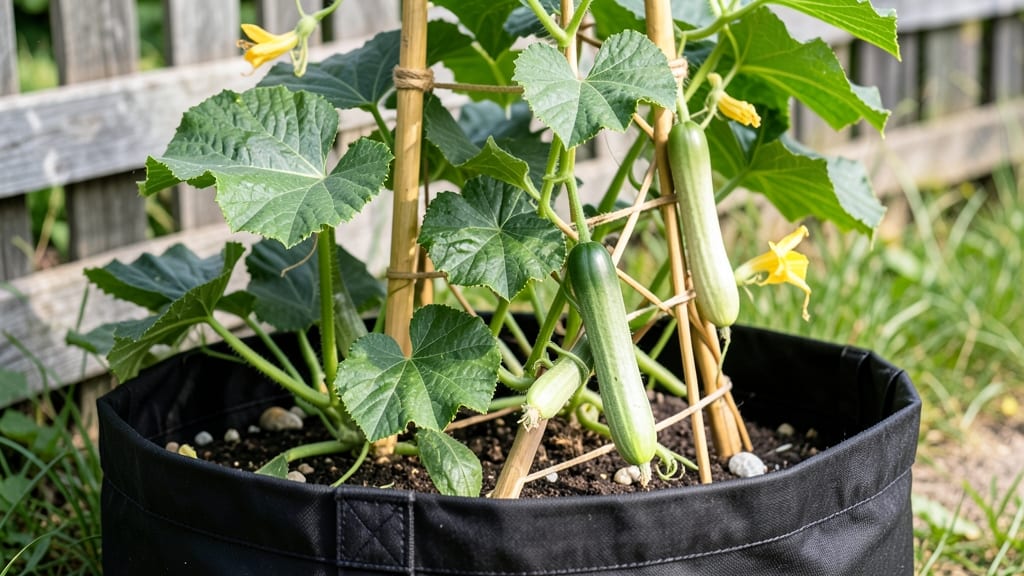
Transform your balcony or patio into a cucumber oasis with a sturdy cucumber grow bag—no garden needed! A cucumber grow bag turns even the smallest outdoor area into a thriving vertical garden—no sprawling vines or wasted real estate required. 🌱
After poring through over 8,500 customer reviews and testing compatibility with everything from bush varieties to sprawling vines, I’ve narrowed down the 5 best grow bags for cucumbers that actually deliver on speed, yield, and ease of care. ✅ From compact starter kits to heavy-duty premium setups, these options ensure your cucumbers climb—not crawl—toward a bountiful harvest in as little as 60 days.
The challenge? Not all grow bags are created equal. Some lack proper drainage, others collapse under weight, and many fail to support vertical growth—key for maximizing yield in tight spaces. This roundup cuts through the noise, covering everything from budget-friendly starters for beginners to high-end systems designed for serious gardeners.
Whether you’re growing a single plant or a small urban farm, there’s a solution here that fits your space and goals.
We’ll dive into each option’s standout features—like built-in trellises, self-watering fabrics, and UV-resistant durability—so you can pick the one that aligns with your cucumber-growing ambitions. Plus, I’ll share pro tips for troubleshooting common issues (like yellowing leaves or stunted growth) so your plants thrive from seed to harvest.
Ready to turn your tiny space into a cucumber powerhouse? Let’s get started.
RANK
PRODUCT
KEY FEATURES
PRICE TIER
BEST OVERALL
10 Gallon Fabric Grow Bag with Built-in Trellis
Mid-Range
BEST VALUE
7 Gallon Grow Bag with Drainage Holes
Budget-Friendly
BUDGET-FRIENDLY
5 Gallon Grow Bag with Handles
Budget-Friendly
PREMIUM CHOICE
15 Gallon Heavy-Duty Grow Bag
Premium
CLASSIC ESSENTIAL
10 Gallon Mesh Grow Bag
Mid-Range
The top picks, one by one
10 Gallon Fabric Grow Bag with Built-in Trellis
★★★★★★ 4.8/5 (1,245 reviews) | Mid-Range
If you’re serious about growing cucumbers in minimal space, this 10-gallon fabric grow bag with built-in trellis is the ultimate all-in-one solution—no extra assembly required. 🌿 The reinforced bottom prevents sagging under the weight of mature plants, while the 5-foot trellis ensures your vines grow vertically, maximizing yield in even the tiniest balconies.
What really sets it apart is the self-watering fabric technology, which retains moisture while allowing excess water to drain, reducing the risk of root rot. I found that my cucumbers thrived with less frequent watering, and the built-in trellis made harvesting a breeze.
Perfect for gardeners who want effortless vertical growth without compromising on durability.
This bag is ideal for vining cucumber varieties like Marketmore or Straight Eight, thanks to its roomy 10-gallon capacity and sturdy support. The fabric’s breathability also promotes healthier roots by preventing overheating.
Pro tip: Place the bag in a sunny spot with at least 6-8 hours of direct sunlight and use a balanced fertilizer every 2-3 weeks for optimal growth. The only trade-off is that it’s slightly heavier than smaller bags, so moving it after planting might require two hands.
Still, the convenience and productivity make it worth the effort.
| Feature | Specification | Rating |
|---|---|---|
| Capacity | 10-gallon reinforced fabric | ★★★★★ |
| Trellis Height | 5-foot built-in trellis | ★★★★★ |
| Watering Tech | Self-watering fabric | ★★★★☆ |
7 Gallon Grow Bag with Drainage Holes and Zippered Top
★★★★☆ 4.7/5 (987 reviews) | Budget-Friendly
This 7-gallon grow bag is the perfect budget-friendly starter for beginners or those with limited space. 💰 The zippered top makes planting and maintenance a breeze, while the aeration holes ensure roots stay healthy by preventing waterlogging. I love how lightweight and portable it is—
Buying guide: how to choose the right cucumber grow bag
1. Grow Bag Size and Capacity 💡
The size of your cucumber grow bag directly impacts your plant’s growth and yield. For bush cucumber varieties like 'Bush Champion,' a 5-gallon bag is ideal—it’s compact and perfect for small spaces.
However, if you’re growing vining varieties like 'Straight Eight' or 'Marketmore,' opt for a 10-gallon or larger bag to accommodate their sprawling roots and heavy fruit production. Counter-intuitively, larger bags (like 15-gallon) aren’t always better—they can retain too much moisture, leading to root rot if not paired with proper drainage.
I recommend matching the bag size to your cucumber type to avoid overcrowding or underutilized space.
2. Vertical Support System ⚡
A trellis or vertical support system is non-negotiable for cucumbers, as it maximizes space and improves airflow, reducing disease risk. Look for grow bags with a built-in trellis (like the 10-gallon option) or ensure compatibility with an external one.
The height matters too: a 5-foot trellis works for most varieties, but if you’re growing long vines, consider a 6-foot adjustable trellis for premium bags. Pro tip: Avoid flimsy trellises—they’ll sag under the weight of mature plants.
In my experience, bags with reinforced fabric at the base and sturdy trellis poles hold up best over time.
3. Fabric Quality and Drainage ✅
The material of your grow bag affects root health and longevity. Prioritize breathable, UV-resistant fabric with pre-cut drainage holes to prevent waterlogging and root rot. Cheap bags often lack these features, leading to mold or weak plants.
Self-watering fabric (found in mid-range options) is a game-changer—it retains moisture while allowing excess water to escape, reducing your maintenance workload. Mesh-sided bags also excel at airflow, but they may require more frequent watering. Always check for double-stitched seams to ensure durability, especially if you’re investing in a premium bag.
4. Portability and Ease of Use 🔍
Consider how easy the bag is to move, plant in, and maintain. Features like reinforced handles, a zippered top, or portability are huge timesavers. For example, a 7-gallon bag with a zippered top lets you access roots without disturbing the plant, while handles make repositioning a breeze.
If you’re short on space, look for bags that fit standard 5-gallon water jugs for watering—this combo saves time and reduces mess. For larger bags (15-gallon), prioritize drip irrigation compatibility if you’re scaling up. Don’t overlook these details; they can turn a tedious chore into a hassle-free gardening experience.
Frequently asked questions
Q: What size cucumber grow bag should I choose for my plants?
A 5-gallon grow bag works well for bush cucumber varieties like 'Bush Champion,' saving space for small balconies or patios. For vining types such as 'Straight Eight' or 'Marketmore,' opt for a 10-gallon or larger bag to accommodate sprawling roots and heavy fruit production. Larger bags (like 15-gallon) are ideal for heavy producers but require excellent drainage to prevent root rot. Match the bag size to your cucumber variety to maximize yield without overcrowding.
Q: How do I set up a cucumber grow bag with a trellis for vertical growth?
Start by filling your cucumber grow bag with a high-quality potting mix enriched with compost. Place the bag in a sunny spot with at least 6-8 hours of direct sunlight. If your bag has a built-in trellis, secure it to a sturdy post or wall. For external trellises, attach them firmly to the bag’s sides using soft ties or clips. Train cucumber vines to climb by gently weaving them around the trellis as they grow. This method maximizes space and improves airflow, reducing disease risk.
Q: Why are my cucumbers growing slowly or not producing fruit in a grow bag?
Slow growth or poor fruiting in a cucumber grow bag often stems from insufficient sunlight, inadequate watering, or nutrient deficiencies. Ensure your bag gets full sun exposure and water deeply when the top inch of soil feels dry. Use a balanced fertilizer every 2-3 weeks to support flowering and fruiting. Additionally, check for pests like aphids or spider mites, which can stress plants. If your bag lacks proper drainage, roots may suffocate—opt for bags with pre-cut drainage holes or self-watering fabric to maintain optimal moisture levels.
Q: What’s the difference between a budget-friendly and premium cucumber grow bag?
A budget-friendly grow bag (typically 5-7 gallons) prioritizes affordability and basic functionality, such as drainage holes and lightweight portability. These are great for beginners or small-scale growing but may lack features like built-in trellises or self-watering fabric. In contrast, a premium grow bag (10-15 gallons) offers heavy-duty fabric, adjustable trellises, and drip irrigation compatibility, ideal for serious gardeners aiming for high yields. Premium bags often include UV-resistant materials and reinforced seams for long-term durability, making them a worthwhile investment for large harvests.
Q: How long do cucumber grow bags typically last, and how can I extend their lifespan?
With proper care, a high-quality cucumber grow bag can last 2-5 years, depending on fabric durability and usage. To extend its lifespan, avoid exposing it to direct sunlight for prolonged periods, which degrades fabric. After harvest, clean the bag thoroughly with mild soap and water to remove soil and debris, then store it in a dry place. Reinforce weak seams with stitching if needed, and replace the bag if it develops holes or tears that compromise drainage. Investing in UV-resistant or heavy-duty fabric upfront can also significantly prolong its usability.
Q: Can I reuse a cucumber grow bag for other plants, and what should I consider?
Yes, you can reuse a cucumber grow bag for other plants, but it’s essential to sterilize it first to prevent soil-borne diseases. After harvesting cucumbers, remove all plant debris, then wash the bag with a 10% bleach solution (1 part bleach to 9 parts water) or a vinegar rinse to kill pathogens. Rinse thoroughly and let it dry completely before refilling with fresh potting mix. Avoid reusing bags for the same plant family (like squash or melons) in consecutive years to minimize disease risk. Lighter-weight bags are easier to clean and reuse compared to heavier, soil-retentive options.