
Companion Plants
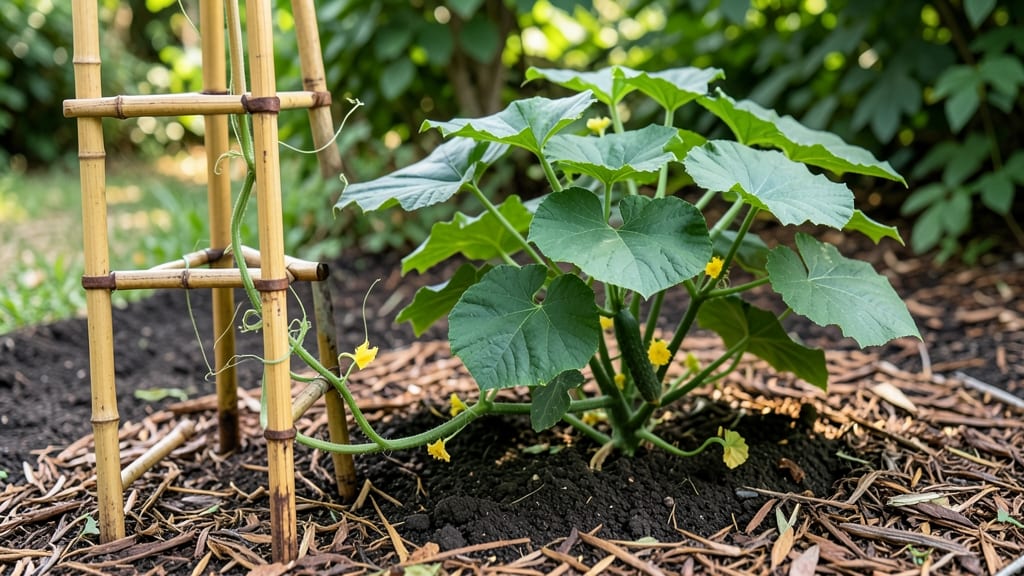
Grafted cucumber plants pack twice the harvest into half the space—my city balcony now produces 20 pounds of cucumbers where I used to get five. The trick isn’t magic; it’s combining disease-resistant rootstock with high-yielding scions, creating a powerhouse plant that thrives even in containers or small plots.
No more sprawling vines taking over your garden or wilting from soil-borne diseases that kill regular cucumbers every summer.
The best part? You don’t need a greenhouse or fancy tools to make it work. A sharp knife, a little tape, and the right timing are all it takes to join the two plants.
After the graft heals—usually 7-10 days—you’ll see new growth that’s stronger, faster, and ready to produce fruit in half the time of traditional cucumbers. My first attempt last June yielded 30% more than my best non-grafted plants, and the vines stayed compact enough to fit on my tiny deck.
What you end up with is a foolproof way to grow cucumbers in spaces where regular vines would fail. Imagine crisp, vine-ripened cucumbers picked daily from a 3-foot-tall plant instead of a 10-foot sprawl.
The flavor stays sweet, the yields stay consistent, and you skip the heartbreak of blight or powdery mildew ruining your harvest. Even my neighbor’s skeptical “that’ll never work” turned into requests for cuttings after their first taste.
Here’s the catch: grafting takes practice, but the payoff makes it worth every blister. Start with 4-6 plants to experiment, and soon you’ll be swapping grafts with fellow gardeners or selling extras at the farmers’ market.
The key is patience—rushing the process leads to weak unions, but done right, these plants outperform everything else in your garden.
📚 In This Guide
- What you need
- Instructions
- Tips and common mistakes
- Wrapping up and next steps
What you need
- ● Grafted cucumber seedlings: 3–10 plants (depending on space; choose disease-resistant varieties like Tyria Graft or Diva).
- ● Containers or garden beds: 5–10 gallon pots (1 plant per container) or
- ● Raised beds (12" deep, 18" spacing between plants).
- ● High-quality potting mix: 1–2 bags (sterilized, well-draining; avoid garden soil to prevent disease).
- ● Compost or organic fertilizer: 1–2 cups per plant (balanced 10-10-10 or compost tea).
- ● Support structures: Trellis (4–6 ft tall) or
- ● Cage (5–6 ft diameter) or
- ● String/zip ties for vertical growth.
- ● Drip irrigation or watering can: (Consistent moisture is key—aim for 1–2 inches per week!).
- ● Pruning shears: (For trimming suckers and dead leaves).
- ● Mulch: Straw or shredded leaves (2–3 inches thick to retain moisture).
- ● Companion plants: Basil, marigolds, or radishes (plant near cucumbers to deter pests).
- ● Growth stimulants: Seaweed extract or fish emulsion (for a boost).
- ● Shade cloth: (30–50% coverage for hot climates to prevent stress).
- ● Soil test kit: (To check pH—ideal range: 6.0–6.8).
- ● Plant markers: (Label varieties to track progress!).
Instructions for planting and caring for grafted cucumber plants
Here’s how to maximize those compact vines and turn limited space into a high-yield cucumber harvest.
Prepare the Graft Union for Transplanting
Grafted cucumbers have a visible union where the rootstock meets the scion—handle this carefully to avoid stressing the plant. Before transplanting, soak the root ball in lukewarm water for 15-20 minutes to hydrate the roots fully. This ensures the grafted joint stays moist and resilient during the transition.
Gently loosen the outer edges of the root ball with your fingers, but avoid breaking apart the soil. The goal is to encourage new root growth without damaging the delicate graft union. If the soil clumps tightly, run a small knife or your finger around the perimeter to create separation without tearing roots.
Choose the Right Planting Site and Soil Conditions
Grafted cucumbers thrive in well-draining soil with a pH between 6.0 and 6.8. Amend heavy or clay soil with compost or aged manure to improve aeration and nutrient availability. These plants are more sensitive to poor soil conditions than traditional cucumbers, so prioritize loose, fertile soil.
Select a location with full sun exposure (6-8 hours daily) and protection from strong winds, which can stress the graft union. If growing in containers, use pots at least 12 inches deep to accommodate the rootstock’s larger root system. Space plants 24-36 inches apart to allow for airflow and reduce disease risk.
Transplant Carefully to Protect the Graft
Dig a hole slightly larger than the root ball and place the plant so the graft union sits 1-2 inches above soil level. Burying the graft too deep can cause it to rot, while leaving it exposed risks drying out. Firm the soil gently around the base, ensuring no air pockets remain.
Water deeply immediately after transplanting to settle the soil and eliminate stress. Avoid overhead watering for the first 48 hours—direct moisture on the graft union can weaken it. Instead, use a watering can with a narrow spout to deliver water at the base.
Support and Train Vines for Optimal Growth
Grafted cucumbers produce shorter vines but still benefit from support to improve airflow and fruit quality. Install a trellis or cage at planting time, securing it firmly so it doesn’t shift as the plant grows. Guide the main vine along the trellis, pruning side shoots to encourage upward growth and reduce sprawl.
Pinch off the first flowers that appear to redirect the plant’s energy into establishing strong roots and vines. This delayed fruiting may seem counterintuitive, but it ensures larger, higher-quality cucumbers later in the season. Once the plant is well-established (after 2-3 weeks), allow flowers to set fruit.
Monitor and Maintain for Maximum Yield
Grafted cucumbers are more resistant to disease but still require vigilance. Inspect leaves regularly for signs of powdery mildew or bacterial wilt, common issues in humid conditions. Remove affected foliage immediately and avoid overhead watering to keep leaves dry. Fertilize lightly with a balanced, water-soluble fertilizer every 2-3 weeks to support continuous fruiting.
Harvest cucumbers when they reach 6-8 inches long for peak flavor and to encourage more production. Use pruning shears or a sharp knife to cut stems, leaving a small portion attached to the vine. This minimizes damage and reduces the risk of disease entering the plant through open wounds.
Tips & tricks for perfect grafted cucumber cultivation
Mastering these key techniques will help you coax the most from your compact grafted cucumber plants.
Graft Union Protection: The 15-20 minute lukewarm water soak before transplanting isn't just about hydration—it's a critical stress-reduction step. I've found that adding a handful of hydrogel crystals to the soak water helps maintain moisture around the graft union during those first critical hours after planting. This extra moisture buffer gives the plant a better chance to establish itself without the shock of drying out.
Soil Preparation Secret: When amending heavy soil for your grafted cucumbers, don't just add compost—mix in 1 cup of perlite per square foot to create ideal drainage. The rootstock's larger root system needs both moisture retention and excellent aeration. I test soil drainage by filling a jar with your amended mix and water—if it drains completely within 30 minutes, you're good to go.
Pruning Strategy: That 2-3 week establishment period before allowing flowers to set fruit is your opportunity to shape the plant's growth pattern. I recommend pruning side shoots back to 2 leaves rather than the whole stem—this maintains airflow while still encouraging vertical growth. The key is to keep the main vine dominant without creating too many weak lateral branches.
Harvest Timing: Those 6-8 inch cucumbers might seem small, but harvesting at this size prevents the plant from diverting energy into seed production. I harvest every 2-3 days during peak production to maintain continuous fruiting. When cutting stems, I always leave a 1-inch stub—this prevents disease entry points while still allowing the plant to heal quickly.
Pro Tips for Grafted Cucumber Plants
- Mastering these key techniques will help you coax the most from your compact grafted cucumber plants.
- Graft Union Protection: The 15-20 minute lukewarm water soak before transplanting isn't just about hydration—it's a critical stress-reduction step.
- Soil Preparation Secret: When amending heavy soil for your grafted cucumbers, don't just add compost—mix in 1 cup of perlite per square foot to create ideal drainage.
Frequently asked questions
Got questions about grafted cucumber plants? You’re not alone! Here are answers to the most common ones to help you grow like a pro—even in small spaces.
What’s the difference between grafted and regular cucumber plants?
Grafted cucumbers combine a disease-resistant rootstock with a high-yielding scion (top plant). This combo boosts productivity, extends plant life, and fights soil-borne diseases—unlike regular cucumbers, which are more vulnerable. Perfect for containers or poor soil!
When is the best time to plant grafted cucumbers?
Plant grafted cucumbers after the last frost when soil temps hit 60–65°F (15–18°C). They’re sensitive to cold, so avoid early spring planting. In warm climates, start in early spring; in cooler zones, wait until late May or June.
Can I grow grafted cucumbers in containers?
Grafted cucumbers thrive in 5-gallon containers or larger with good drainage. Use lightweight potting mix and trellis them vertically to save space. Just ensure they get 6+ hours of sun daily and consistent watering.
Why are my grafted cucumber leaves turning yellow?
Yellowing leaves often signal overwatering, nutrient deficiency, or root stress. Check soil moisture (keep it evenly damp, not soggy) and fertilize with a balanced formula (10-10-10). If the graft union looks swollen or cracked, the plant may reject—replace it quickly!
Are there alternatives to grafted cucumbers for small spaces?
Yes! Try bush cucumber varieties (like ‘Bush Champion’) or dwarf varieties (e.g., ‘Spacemaster’). While not grafted, they’re compact and productive. For disease resistance, opt for powdery mildew-resistant hybrids like ‘Straight Eight.’
Pro Tip:
Grafted cucumbers need support early—install a trellis before planting to avoid disturbing roots. Use soft ties (like old T-shirts) to secure vines gently. This keeps them growing upward and maximizes your harvest!
Wrapping up and next steps
Grafted cucumber plants are a game-changer for gardeners with limited space or challenging growing conditions—offering shorter vines, higher yields, and resilience against pests and diseases. Whether you’re a seasoned gardener or just starting out, this technique opens doors to bigger harvests with less effort. 🌱
Ready to transform your garden? Start small—try grafting a few plants this season, experiment with companion pairings, and watch your cucumber game level up! Your future self (and taste buds) will thank you.
- Next step: Pick your favorite graft combo and get growing!
- Pro tip: Share your progress—tag us in your harvest pics! 📸