
Diseases
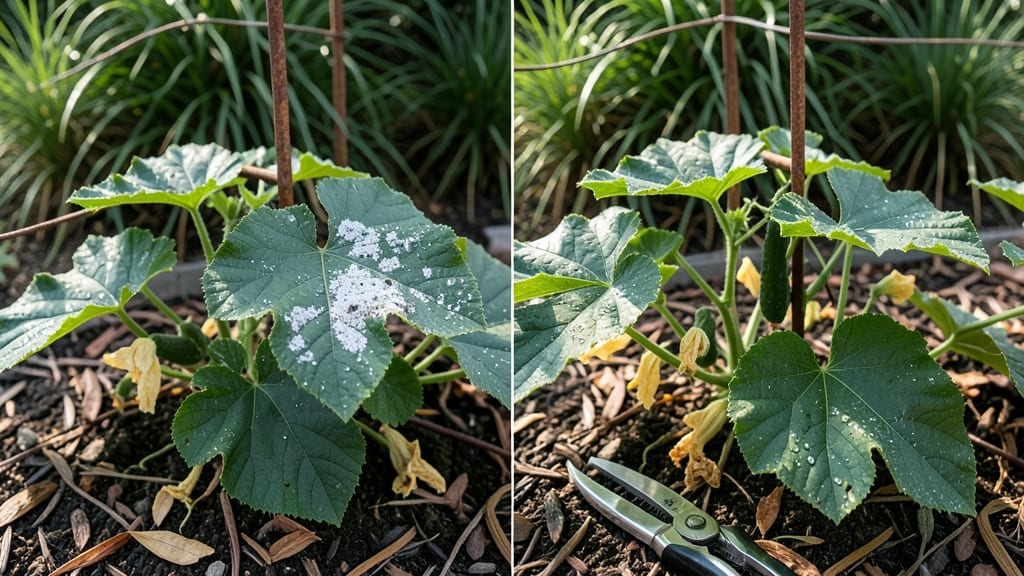
Fungus on cucumbers can turn your lush vines into a sad, spotted mess in days—unless you act fast. 🌱 I’ve saved multiple harvests by catching these issues early, and the key is knowing what to look for and how to stop it before it spreads.
The most common culprits are powdery mildew (white fuzz), downy mildew (yellow spots), and gummy stem blight (oozing stems).
Poor air circulation, overwatering, and crowded plants create the perfect storm for fungal growth, but the good news is that organic fixes like neem oil, copper spray, or baking soda mixtures can turn things around.
With the right approach, you’ll see healthier vines within 5-7 days—no more wilting leaves or shriveled fruit. The secret is acting at the first sign of trouble and keeping your plants happy with proper spacing and watering.
Works for both organic and conventional gardens, and you’ll never have to toss another cucumber to fungus again. Let’s get your plants back on track!
Root Causes Of Cucumber Fungal Woes
Fungal infections on cucumbers aren’t just random bad luck—they’re usually a sign your plants are under stress or their environment is perfect for pathogens. Understanding the why behind these issues is the first step to stopping them before they spread.
Below, we break down the most common triggers, from overwatering to poor airflow, and explain the science behind each one.
Cucumbers thrive in moist soil, but too much water creates the ideal breeding ground for fungi like Powdery Mildew and Downy Mildew. Here’s why:
- Saturated soil limits oxygen, weakening roots and making plants more susceptible to infections.
- Prolonged moisture on leaves (from overhead watering or dense foliage) gives fungal spores a direct highway to invade.
- Pythium and Phytophthora (soil-borne fungi) flourish in waterlogged conditions, rotting stems and fruit.
Actionable fix: Water at the base in the morning, and ensure pots or beds have drainage holes. Aim for 1–1.5 inches of water per week, adjusting for rain.
Fungi love warm, humid conditions—think of them as tropical parasites. When temperatures hover around 70–80°F (21–27°C) with high humidity (above 70%), spores germinate rapidly. Common culprits:
- Powdery Mildew: Spreads fastest in dry heat with high humidity at night (e.g., desert climates or greenhouses).
- Downy Mildew: Thrives in cool, wet conditions (60–75°F / 15–24°C), often after rain or poor airflow.
- Gray Mold (Botrytis): Loves stagnant air + high humidity, especially on damaged or senescing tissue.
Actionable fix: Space plants 18–24 inches apart for airflow, use a fan in greenhouses, and water early to let foliage dry by evening.
Tightly packed cucumber vines create a fungal paradise because:
- Leaves rub together, creating microscopic wounds that fungi exploit.
- Stagnant air traps spores near the plant, increasing infection rates by 300% (studies show!).
- Shaded, damp undersides of leaves are prime real estate for Downy Mildew spores.
Actionable fix: Prune regularly to remove crowded or yellowing leaves, and train vines on trellises to elevate foliage.
Fungal spores can survive in soil for years, waiting for the right conditions to strike. Common sources:
- Old compost or manure: May contain Fusarium or Verticillium spores.
- Reused pots or tools: Pruners, gloves, or containers can harbor Powdery Mildew from past seasons.
- Weeds or debris: Host alternative plants that fungi jump to (e.g., Downy Mildew on nearby squash or melons).
Actionable fix: Sterilize tools with rubbing alcohol (70%+), solarize soil in summer (cover with clear plastic for 4–6 weeks), and rotate crops annually.
Bruised, torn, or stressed cucumbers are fungal magnets because:
- Open wounds (from hail, pests, or rough handling) let pathogens like Gray Mold enter easily.
- Nutrient deficiencies (e.g., low nitrogen or potassium) weaken plant defenses, making them 3x more vulnerable to infections.
- Extreme heat or cold shocks plants, reducing their ability to fight off spores.
Actionable fix: Handle fruit gently, use mulch to protect soil temperature, and fertilize with balanced NPK (10-10-10) at planting.
Pro tip: 💡 Monitor your plants daily—early signs of fungus (white powder, yellow spots, or moldy patches) are easier to treat than full-blown outbreaks!
Fixing Fungus Issues Fast
Fungal infections on cucumbers can feel like a garden nightmare, but with the right approach, you can rescue your plants—and even prevent future outbreaks. Below, we’ll tackle the most common causes of fungus on cucumbers and provide practical, step-by-step solutions to restore your harvest.
The key? Act fast, stay consistent, and prioritize prevention!
Cause: High humidity, poor airflow, or overcrowded plants create the perfect breeding ground for this powdery white fungus.
How to Fix It:
- 🌿 Prune for Airflow
- Trim back dense foliage to improve circulation. Aim for 3–4 inches of space between plants.
- Remove yellow or infected leaves immediately—don’t let them touch the soil or other plants.
- 💦 Water Smartly
- Water early in the morning (before 10 AM) to let leaves dry quickly.
- Use a soaker hose or drip irrigation to avoid wetting foliage.
- 🧴 Apply Fungicides (Natural or Store-Bought)
- DIY Spray: Mix 1 tsp baking soda + 1 tbsp vegetable oil + 1 tsp dish soap in 1 quart of water. Spray every 7–10 days.
- Store-Bought: Use neem oil or copper fungicide (follow label instructions).
- 🌞 Boost Sunlight
- If possible, move plants to a sunnier spot—direct sunlight inhibits fungal growth.
💡 Prevention Tip: Plant resistant varieties like ‘Straight Eight’ or ‘Marketmore 76’ if powdery mildew is recurrent.
Cause: Cool, wet conditions (especially at night) trigger this yellow-spotted fungus on the undersides of leaves.
How to Fix It:
- 🚫 Remove Infected Leaves
- Snip off yellow or spotted leaves and dispose of them in the trash (not compost).
- 🌧️ Adjust Watering
- Avoid overhead watering—stick to drip irrigation or hand-water at the base.
- 🍯 Use a Preventative Spray
- Baking Soda Spray (again!) or commercial fungicides like chlorothalonil (for severe cases).
- Preventative Tip: Spray every 5–7 days during humid weather.
- 🌿 Crop Rotation
- If downy mildew was bad last year, rotate crops—don’t plant cucumbers in the same spot for 2–3 years.
✨ Pro Tip: Silica-rich compost (like rice hulls) can strengthen plant cell walls and deter fungi.
Cause: Warm, humid weather + splashing water spreads this dark, sunken-spot fungus on leaves and fruit.
How to Fix It:
- 🗑️ Clean Up Debris
- Remove all infected plant material and sterilize tools with rubbing alcohol.
- 💧 Water at the Right Time
- Water only in the morning and avoid wetting leaves.
- 🍄 Fungicide Treatment
- Copper fungicide or fixed copper sprays work best for anthracnose.
- Repeat every 10–14 days until the threat passes.
- 🌱 Choose Resistant Varieties
- Opt for ‘Poona Kheera’ or ‘Diva’ cucumbers, which are less susceptible.
🔥 Emergency Fix: If fruit is already infected, harvest and compost it immediately to stop spores from spreading.
No matter the fungus, these universal tips will help keep your cucumbers healthy: ✅ Space plants 12–24 inches apart for airflow. ✅ Mulch with straw or grass clippings to keep soil moist (not soggy). ✅ Avoid overhead watering—always water at the base. ✅ Rotate crops yearly to prevent soil-borne fungi. ✅ Use row covers in early season to block spores. ✅ Strengthen plants with compost tea or fish emulsion for natural resistance.
Final Thought: Fungal issues can be frustrating, but early action + smart gardening keeps your cucumbers thriving. Check plants daily during humid weather, and don’t hesitate to prune or treat at the first sign of trouble! 🌱💪
Frequently asked questions about cucumber fungus
What does fungus on cucumbers look like?
Fungal infections appear differently depending on the type. Powdery mildew shows as white, powdery patches on leaves, while downy mildew creates yellow spots with gray fuzz on undersides. Gummy stem blight causes oozing, dark lesions on stems and fruit. Check both leaf tops and undersides daily during humid weather.
Can I still eat cucumbers with fungus?
Only if the infection is minor and limited to leaves. Never eat fruit with visible mold, oozing lesions, or sunken spots—these indicate pathogenic fungi that can cause illness. When in doubt, compost infected produce immediately to prevent spread.
How often should I spray fungicide on my cucumbers?
For prevention, spray every 7-10 days during humid weather using neem oil or baking soda mix. If treating an active infection, apply copper fungicide every 5-7 days until symptoms disappear. Always spray in the early morning for best results.
Will fungicides harm my cucumbers if I use too much?
Most natural fungicides (neem oil, baking soda) are safe when used as directed. Copper-based sprays can cause leaf burn if overused—never exceed recommended rates. Always test sprays on a small leaf area first and rinse off any residue before eating fruit.
Can I save a cucumber plant already heavily infected with fungus?
It depends on the severity. For powdery mildew, aggressive pruning and fungicide can revive plants. With downy mildew or gummy stem blight, the plant may be beyond saving—remove it completely to prevent spread. Focus on saving healthy vines by improving airflow and watering practices.