
Plants
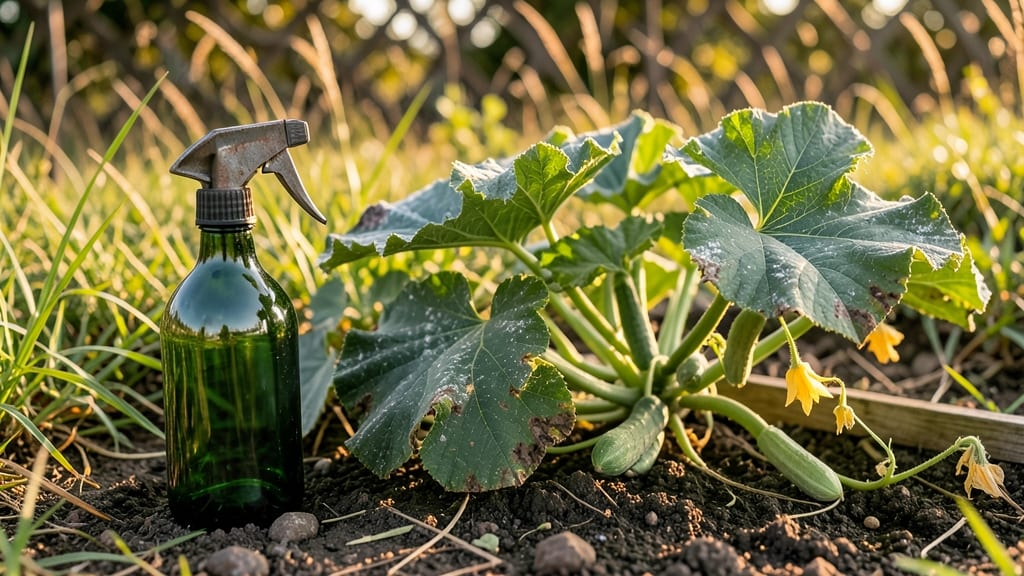
Fungus on cucumber plants can turn your lush vines into a sad, spotted mess in days—unless you act fast. 🌱 I’ve watched powdery mildew turn my cucumbers from vibrant to wilted, and I’ll show you how to reverse it before it’s too late.
The key is catching it early, using the right treatments, and adjusting how you water and space your plants.
Most fungal issues start with poor airflow or wet leaves—common mistakes even experienced gardeners make. Powdery mildew looks like dusty white patches, while downy mildew appears as yellow spots with fuzzy undersides.
The good news? Organic sprays like neem oil or baking soda mix can stop it in its tracks, and pruning crowded vines improves airflow instantly.
With the right approach, you’ll see fresh, healthy growth within a week. The secret is consistency: spray every 5-7 days, water at the base (never overhead), and rotate your plants for even sunlight. Once you master this, your cucumbers will thrive all season long.
This works for powdery mildew, downy mildew, and even bacterial wilt—no matter what’s attacking your vines. Let’s get them back to producing crisp, disease-free cucumbers before the season ends.
Why it happens
Fungal infections on cucumber plants don’t happen by accident—they’re the result of a perfect storm of environmental, cultural, and biological factors. Understanding these triggers is the first step to preventing and treating outbreaks.
Below, we break down the key causes of fungal issues on your cucumbers, from overzealous watering to hidden soil pathogens.
🌧️ Overhead Watering & Poor Airflow
Cucumbers thrive in moist soil, but their leaves hate excess humidity. When water droplets linger on foliage—especially late in the day—fungal spores (like those from Powdery Mildew or Downy Mildew) get a 24-hour buffet to germinate and spread.
Poor airflow in crowded plantings or dense canopies traps moisture, creating the ideal fungal greenhouse.
- Why it matters: Fungal spores need free water on leaf surfaces to infect. Overhead sprinklers or drip irrigation without proper spacing worsen the problem.
- Actionable fix: Water at the base of plants in the morning, and prune vines to improve airflow (aim for 12–18 inches between plants).
🌡️ Temperature & Humidity Mismatches
Fungi are opportunistic—some love cool, damp conditions (like Phytophthora), while others (like Alternaria) thrive in hot, humid climates. Cucumbers grown in greenhouses or shade houses are especially vulnerable because temperature swings and trapped moisture create fungal paradises.
| Fungus Type | Ideal Conditions | Your Cucumber’s Risk |
|---|---|---|
| Powdery Mildew | 60–80°F, high humidity, dry leaf surfaces | Common in late summer when nights cool but days stay warm. |
| Downy Mildew | 55–75°F, wet foliage (even dew) | Peaks in spring/fall with frequent rains or poor drainage. |
| Fusarium Wilt | Soil temps >85°F, waterlogged roots | More likely in southern climates or heavy clay soils. |
Pro tip: Use a hygrometer to monitor humidity—keep it below 70% during the day to deter spores. 🌡️
🌱 Contaminated Soil & Old Plant Debris
Fungal spores are persistent. They can survive in soil for years, lurking in old plant matter, compost, or even infected seeds. If you’ve grown cucumbers (or other cucurbits like squash) in the same spot without a break, you’re rolling the dice on re-infection.
- Hidden culprits:
- Infected mulch (straw, grass clippings)
- Untreated compost with fungal pathogens
- Seed-borne fungi (especially in untreated seeds)
- Actionable fix:
- Rotate crops—avoid planting cucumbers in the same spot for 3+ years.
- Solarize soil in late summer to kill spores (cover beds with clear plastic for 4–6 weeks).
- Use sterilized potting mix if growing in containers.
🍃 Stress from Over-Fertilizing or Nutrient Imbalances
Too much nitrogen or an imbalance of nutrients (like low phosphorus) weakens cucumber plants, making them easy targets for fungi. Over-fertilized vines grow soft, lush foliage that’s prime real estate for pathogens like Anthracnose.
Red flags:
- Yellowing leaves with dark spots (sign of nutrient burn).
- Stunted growth despite plenty of water.
- Fungal spots appearing after heavy feeding.
Fix it: Switch to a balanced fertilizer (e.g., 5-10-10) and focus on organic matter like composted manure. 🌱 Pro tip: A soil test can reveal hidden imbalances before fungi strike!
🐛 Pests That Pave the Way for Fungi
Some pests don’t just damage leaves—they create entry points for fungi. For example:
- Aphids excrete honeydew, which feeds sooty mold fungi.
- Cucumber beetles spread bacterial wilt and fungal diseases like Fusarium.
- Spider mites weaken plants, making them susceptible to Powdery Mildew.
Break the cycle: Use neem oil or insecticidal soap to control pests before fungal outbreaks. 🛡️
Quick Fixes for Fungus-Ridden Cucumbers
When fungus invades your cucumber plants, acting fast is key to saving your harvest. Below are practical, step-by-step solutions tailored to the most common causes—from damp soil to poor airflow—plus prevention tips to keep your vines thriving. Let’s restore your garden’s health before the problem spreads!
Signs: Yellowing leaves, soggy soil, or powdery mildew clinging to foliage. Why it happens: Too much moisture creates the perfect breeding ground for fungal spores.
How to treat it:
- 🔥 Adjust Your Watering Routine
- Water deeply but infrequently—aim for 1–1.5 inches per week (including rain).
- Use a soaker hose or drip irrigation to deliver water at the base of the plant (never overhead).
- Morning watering is best—leaves dry faster, reducing humidity where fungi love to hide.
- 🏗️ Improve Soil Drainage
- Amend heavy or compacted soil with compost, perlite, or coarse sand to help water drain faster.
- If planting in containers, ensure pots have drainage holes and use a well-draining potting mix.
- 🌡️ Mulch Strategically
- Apply 2–3 inches of organic mulch (straw, shredded leaves, or wood chips) to keep soil moist without splashing water onto leaves.
- Avoid plastic mulch—it traps heat and moisture, worsening fungal growth.
💡 Pro Tip: If your soil is already waterlogged, skip watering for a few days to let it dry out. Fungi thrive in soggy conditions, so patience pays off!
Signs: White powdery patches, yellow spots, or fuzzy gray growth on undersides of leaves. Why it happens: High humidity, crowded plants, or infected seedlings invite fungal spores.
How to treat it:
- 🍳 Prune for Better Airflow
- Remove infected leaves (wear gloves!) and dispose of them in the trash (not compost).
- Thin out vines if they’re overcrowded—aim for 12–18 inches of space between plants for airflow.
- 👨🍳 Spray Fungicides (Natural or Chemical) - Baking soda spray (for early powdery mildew): Mix 1 tsp baking soda + 1 tsp vegetable oil + 1 tsp dish soap + 1 gallon water.
Spray every 7–10 days. - Neem oil (for downy mildew): Use 1–2 tbsp neem oil + 1 tsp mild soap per gallon of water.
Spray early in the morning to avoid burning leaves. - Copper fungicide (for severe cases): Follow label instructions—this is a last-resort chemical option for stubborn infections.
- ⏰ Rotate Your Planting Spots
- Fungal spores linger in soil. Avoid planting cucumbers (or other cucurbits) in the same spot next year.
✨ Prevention Bonus: Resistant varieties like ‘Straight Eight’ or ‘Lemon Cucumber’ tolerate humidity better than heirlooms.
Signs: Fungal growth in shaded or enclosed areas (e.g., greenhouses, dense foliage). Why it happens: Stagnant, humid air = fungal paradise.
How to treat it:
- 🔪 Increase Ventilation
- Open greenhouse vents or use fans to circulate air (even a small oscillating fan on low helps).
- Space plants 3–4 feet apart to prevent humidity buildup.
- 🌞 Maximize Sunlight
- Prune nearby trees/shrubs blocking sunlight—cucumbers need 6–8 hours of direct sun daily.
- Reflect light with white plastic mulch or mirrors to boost drying power.
- 🌧️ Reduce Evening Watering
- Avoid watering after sunset—leaves stay wet overnight, increasing fungal risk.
🎯 Long-Term Fix: Install a dehumidifier in greenhouses or use fungus-resistant row covers for extra protection.
If fungus has already taken hold, act fast to prevent total crop loss:
- Isolate infected plants (don’t let spores jump to healthy vines).
- Sterilize tools with rubbing alcohol after pruning.
- Harvest ripe cucumbers immediately—fungus weakens plants, reducing yield.
Final Reminder: The best cure is prevention—healthy soil, smart watering, and good airflow keep fungi at bay. With these fixes, your cucumber plants will bounce back stronger than ever! 🌿💪
Frequently asked questions
What’s the fastest way to tell if my cucumbers have powdery mildew?
Look for white, powdery spots on upper leaf surfaces—they’ll feel like dust but won’t wipe off easily. Check undersides too for fuzzy gray growth (downy mildew). The key difference? Powdery mildew stays dry, while downy mildew appears when leaves are damp. Act within 3 days to prevent spread.
Can I still eat cucumbers with fungus on the leaves?
Yes! Fungal spores on leaves don’t transfer to the fruit itself. Just wash cucumbers thoroughly with baking soda water (1 tsp baking soda per gallon) before eating. Focus on treating the leaves to protect future harvests—fungus weakens plants and reduces yield over time.
How often should I spray neem oil to prevent fungus?
Apply neem oil every 7–10 days during humid seasons (spring/fall) or when you see early signs of fungus. For best results, spray early morning on dry leaves—avoid spraying when flowers are open (it can harm pollinators). Mix 1–2 tbsp neem oil + 1 tsp mild soap per gallon of water.
Will fungicides harm my cucumbers if I use too much?
Overusing chemical fungicides can burn leaves or disrupt beneficial microbes in soil. Stick to label instructions—most recommend 1 application every 2–3 weeks. For organic options, rotate between baking soda spray, copper fungicide, and neem oil to avoid resistance. Always test sprays on a small leaf first.
Can I save my cucumber plants if fungus has already spread to the stems?
If stems show dark spots, wilting, or oozing (signs of Fusarium or bacterial wilt), the plant is likely beyond saving. Remove it immediately and sterilize your tools with rubbing alcohol. For future crops, rotate planting spots for 3+ years and use resistant varieties like ‘Tyria’ or ‘Marketmore.’