
Vegetables
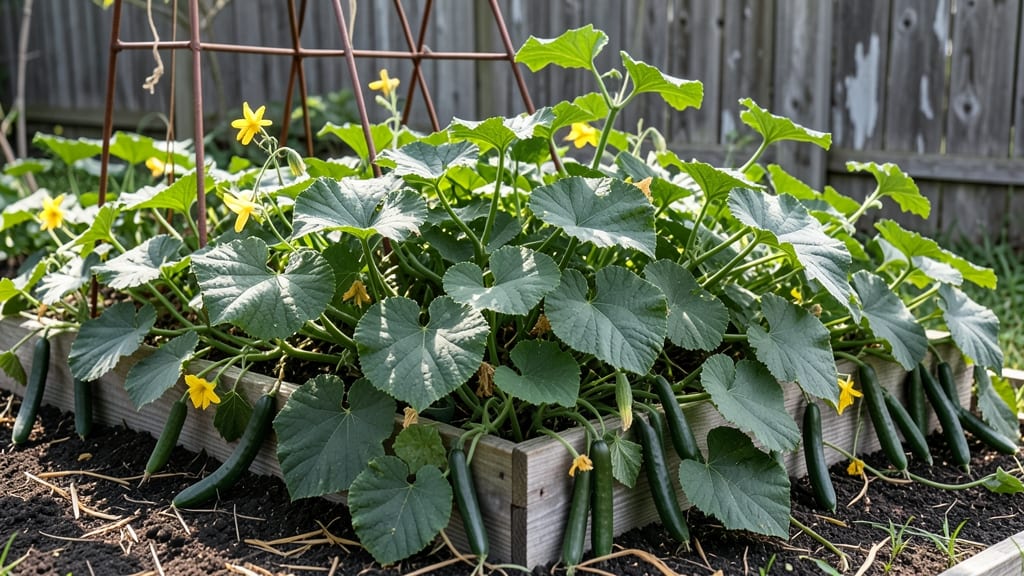
Growing English Telegraph cucumbers changed how I think about container gardening. 🌱 These heirloom beauties produce 4-foot-long, straight cucumbers perfect for slicing—no weird bends or lumps—and they thrive in pots, making them ideal for small spaces or urban balconies.
The secret lies in their vigorous vines and simple needs: full sun, well-draining soil, and consistent moisture. I’ve grown them in 5-gallon containers with vertical trellises, and they produce just as well as in-ground plants—often more, since container cucumbers get better airflow and fewer soil-borne diseases.
By mid-summer, you’ll be harvesting crisp, dark green cucumbers that stay fresh longer than grocery-store varieties. The best part? These cucumbers are disease-resistant, so you spend less time spraying and more time enjoying the harvest.
Whether you’re a first-time gardener or a seasoned pro, Telegraph cucumbers are foolproof—just give them space to climb, keep the soil moist, and watch those long, straight beauties appear. Here’s exactly how to make it happen!
📚 In This Guide
- What you need
- Instructions
- Tips and common mistakes
- Wrapping up and next steps
What you need
- ● English Telegraph cucumber seeds – 3–5 seeds (or 1–2 starter plants if transplanting). Look for Cucumis sativus ‘Telegraph’ or heirloom varieties.
- ● Growing containers – 5-gallon pots or larger (12–18 inches deep) with drainage holes. Pro tip: 💡 Use fabric grow bags for better aeration!
- ● High-quality potting mix – 10–15 lbs of well-draining, organic mix (avoid garden soil). Add perlite or compost for extra fluff.
- ● Balanced fertilizer – 10-10-10 or organic options like fish emulsion (follow label rates for container plants).
- ● Trellis or sturdy stakes – 6–8 feet tall (Telegraphs grow fast—up to 20 feet if unchecked!). Bamboo or metal cages work too.
- ● Mulch – Straw or shredded leaves (2–3 inches) to retain moisture and suppress weeds.
- ● Hand trowel or small shovel – For planting and transplanting.
- ● Watering can or hose with gentle nozzle – Containers dry out quickly!
- ● Pruning shears – To trim vines and encourage bushier growth.
- ○ Gloves – Optional but helpful for handling prickly vines.
- ● Sunlight access – Full sun (6–8+ hours daily). A south-facing window or balcony works in a pinch.
- ○ Optional but handy: Slow-release fertilizer tablets for easy feeding.
- ● Drip irrigation kit to automate watering.
- ● Row cover or shade cloth (if temps exceed 90°F).
Step-by-step instructions for growing English Telegraph cucumbers in containers
Here's my foolproof method for coaxing these vigorous vines into producing crisp, sweet cucumbers—even in small spaces.
🌱 Step 1: Select and Prepare the Right Container
English Telegraph cucumbers need at least 18 inches of depth and 3-4 cubic feet of space per plant to thrive. I use 5-gallon fabric grow bags because they're lightweight, drain well, and let roots breathe. If using a standard pot, ensure it has multiple drainage holes—cucumbers hate soggy roots.
Fill the container with high-quality potting mix mixed with 20% perlite or vermiculite for drainage. Tap the sides gently to settle the soil, then water thoroughly until it's evenly moist but not saturated. The goal is to eliminate air pockets while preventing compaction—cucumber roots need both air and water.
🌿 Step 2: Plant Seeds or Transplants at the Correct Depth
Sow 2-3 seeds per container (you'll thin later) at a depth of 1 inch. Planting deeper delays germination because the seedling must push through more soil. If using transplants, bury them to the same depth they grew in their nursery pot—this prevents stem rot and encourages strong root growth.
I always label my containers immediately—English Telegraph cucumbers look identical to other varieties until they vine. After planting, water gently to settle the soil around the seeds. Keep the container in a warm spot (70-80°F) until germination, which typically takes 5-10 days. Watch for the first true leaves to appear before thinning.
☀️ Step 3: Provide Support and Optimal Light Immediately
Cucumbers are aggressive climbers, so install a 6-foot trellis or sturdy cage right after planting. I use galvanized wire cages because they're durable and let vines twine naturally. Train the main vine along the support as it grows—this prevents sprawling and improves air circulation, reducing disease risk.
Place the container in full sun (6-8 hours daily). A south-facing window works in spring/fall, but summer often requires moving outdoors. You'll know your cucumber is getting enough light when leaves are deep green and compact. If leaves turn pale or stems stretch excessively, supplement with a grow light for 14-16 hours daily.
💧 Step 4: Water and Fertilize for Maximum Yield
Water when the top 2 inches of soil feel dry—cucumbers need consistent moisture but hate soggy roots. I water deeply in the morning to allow foliage to dry before evening, which prevents powdery mildew. Use a soaker hose or drip irrigation to deliver water at the base without wetting leaves.
Feed every 2-3 weeks with a balanced liquid fertilizer (10-10-10) diluted to half strength. You'll see the difference in 3-4 weeks: vines grow faster, leaves stay vibrant, and flowers appear more frequently. Stop fertilizing once fruits start forming to prevent bitter-tasting cucumbers.
✂️ Step 5: Prune and Harvest for Continuous Production
Remove any leaves touching the soil to improve airflow and reduce disease. I also pinch off the first few flowers if your plant is small—this lets the vine focus on leafy growth first. Once established, harvest cucumbers when they're 6-8 inches long for peak flavor. Regular harvesting encourages the plant to produce more fruits.
Use pruning shears to cut fruits cleanly at the stem. Avoid pulling—this can damage the vine. I harvest every 2-3 days during peak production to prevent overcrowding, which leads to smaller, bitter cucumbers. With proper care, one English Telegraph plant yields 10-15 cucumbers per season—enough to share with neighbors!
Tips & tricks for growing English Telegraph cucumbers in containers
Real talk: These cucumbers are finicky about their growing conditions, but these tricks will help you avoid the most common pitfalls and get a bountiful harvest.
Container Depth Matters: The 18-inch depth requirement isn't arbitrary—English Telegraph cucumbers have long taproots that need space to establish. If you're using a standard pot, check the depth before buying. I've seen gardeners use deep window boxes (at least 16 inches) with great success, but anything shallower risks stunted growth. The 3-4 cubic feet of space per plant is also critical—crowding leads to competition for nutrients and increases disease risk.
Germination Environment: Those 5-10 days for germination can feel like forever, but patience pays off. Place your container in a spot where temperatures stay consistently between 70-80°F—this is the sweet spot for seedling development. I've found that using a seedling heat mat (set to 75°F) can cut germination time by 2-3 days if your home runs cooler. Just don't let the soil temperature exceed 85°F, or you'll risk damping-off disease.
Lighting Strategy: The 6-8 hours of full sun requirement is non-negotiable, but here's what I've learned about making it work: South-facing windows provide enough light in spring/fall, but summer often requires moving containers outdoors. For indoor growers, a grow light on a timer (14-16 hours daily) makes all the difference. Position the light 6-12 inches above the plants and adjust as they grow—too close causes leaf burn, too far reduces effectiveness.
Watering Wisdom: The "top 2 inches dry" rule is perfect, but timing matters just as much. I water my containers at the same time every morning (around 8 AM) to establish a routine. The key is consistency—cucumbers hate moisture fluctuations. If you notice yellowing leaves at the base, it's often a sign of overwatering. Let the soil dry out slightly between waterings, especially in cooler weather when evaporation slows.
Pro Tips for English Telegraph Cucumber
- Real talk: These cucumbers are finicky about their growing conditions, but these tricks will help you avoid the most common pitfalls and get a bountiful harvest.
- Container Depth Matters: The 18-inch depth requirement isn't arbitrary—English Telegraph cucumbers have long taproots that need space to establish.
- Germination Environment: Those 5-10 days for germination can feel like forever, but patience pays off.
Frequently asked questions
Got questions about growing English Telegraph cucumbers? You’re not alone! Here are answers to the most common queries—from timing to troubleshooting—to help you grow this vine-strong variety with confidence.
What’s the best time to plant English Telegraph cucumbers?
Plant seeds after the last frost when soil temps hit 60°F (15°C)—usually 2–3 weeks after your area’s last spring frost. For extended harvests, try a late summer succession planting (8–10 weeks before first fall frost). These cucumbers thrive in warm weather but need 60–90 days to mature.
How long does it take for English Telegraph cucumbers to produce?
Expect 50–60 days from planting to first harvest, though vines may keep producing for 2–3 months with proper care. Female flowers (with tiny cucumbers behind them) appear first—these are the ones to pollinate! Prune lower leaves to boost airflow and speed up fruit set.
Can I grow English Telegraph cucumbers in containers?
These cucumbers are perfect for containers—choose a 5-gallon pot or larger with drainage holes. Use a trellis or cage to save space and improve air circulation. Key tip: Plant 1–2 seeds per container and thin to the strongest vine. Avoid overcrowding to prevent disease.
Why aren’t my English Telegraph cucumbers pollinating?
If flowers aren’t turning into fruit, you may need to hand-pollinate. Use a soft paintbrush to transfer pollen from male (long-stemmed) to female (tiny cucumber behind) flowers. Bees love Telegraph cucumbers—if no bees visit, try planting bee-friendly flowers nearby or check for pesticides that might repel them.
What’s the ideal temperature for growing English Telegraph cucumbers?
These cucumbers thrive in warmth—70–90°F (21–32°C) days and 60–70°F (15–21°C) nights. Avoid planting when temps drop below 50°F (10°C), as cold slows growth. If heat exceeds 95°F (35°C), provide afternoon shade to prevent sunscald or blossom drop.
What can I do if my Telegraph cucumbers develop bitter taste?
Bitter cucumbers often result from overmaturity or stress. Harvest when 6–8 inches long for the best flavor. To prevent bitterness, ensure consistent watering (1–2 inches per week) and avoid drought stress. Shade cloth can also help if your garden gets intense afternoon sun.
Wrapping up and next steps
Growing English Telegraph cucumbers is a rewarding journey—whether you’re a seasoned gardener or a curious beginner! This vine-strong variety thrives in containers, making it perfect for small spaces, balconies, or urban gardens. With the right care, you’ll soon enjoy crisp, flavorful cucumbers straight from your own plot.
Ready to take the next step? Start small—plant a single container or expand your setup as you gain confidence. Share your progress with fellow gardeners or experiment with companion plants like basil to boost flavor and yield. Happy growing! 🌱