
Vegetables
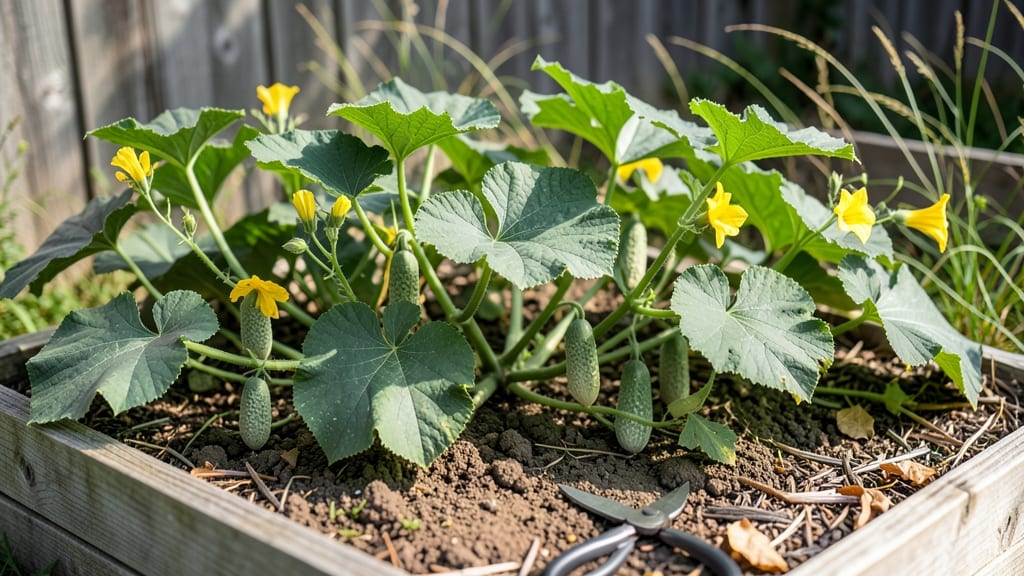
Growing Dragon Egg cucumbers lets you harvest tiny, sweet cucumbers straight from the vine in just 55 days—no waiting for giant store varieties. 🌱 These little gems (about the size of a golf ball) taste like sunshine, with crisp, tender skin and a mild, refreshing flavor that disappears as they ripen.
The secret? Pole training transforms them from sprawling vines into a vertical feast that saves space and produces nonstop harvests.
You’ll need a sunny spot with at least 6 hours of direct light, well-draining soil rich in compost, and a sturdy trellis or pole (they climb like crazy). Spacing plants 12-18 inches apart gives them room to stretch upward instead of outward.
Water consistently—1-2 inches per week—and keep the soil moist but not soggy. These cucumbers are prolific, so mulch around the base to retain moisture and suppress weeds, which means less work for you.
Harvest begins when cucumbers reach 1-2 inches long, and you’ll pick 5-10 per plant per week during peak season. The earlier you harvest, the more the plant produces—think of it like pruning, but edible.
Prune yellowing leaves to improve airflow, and fertilize lightly with compost tea every 3-4 weeks to keep the flavor sweet and the vines vigorous. The best part? One plant feeds a family for weeks, and the vertical growth keeps pests like cucumber beetles from burrowing into the soil.
If you’re new to cucumbers, start with just 2-3 plants—they grow fast, and you’ll want to stay ahead of the harvest. For experienced growers, try succession planting every 2 weeks to extend your harvest into fall.
The key to success? Pole training and consistent harvesting. Once you taste that first Dragon Egg, you’ll never go back to store-bought again.
📚 In This Guide
- What you need
- Instructions
- Tips and common mistakes
- Wrapping up and next steps
What you need
- ● Dragon Egg Cucumber Seeds: 3–5 seeds (or 1–2 seedlings if transplanting). Choose heirloom varieties like ‘Dragon Egg’ or ‘White Wonder’ for that classic look!
- ● Growing Space: Full sun (6–8+ hours daily)
- ● Pole trellis or sturdy fence (6–8 ft tall) for vertical growth
- ● Soil: Well-draining, fertile mix (pH 6.0–6.8). Amend with compost (1–2 cups per planting hole).
- ● Watering Supplies: Drip irrigation or watering can (1–2 gallons per plant, 2x weekly)
- ● Mulch (straw or shredded leaves) to retain moisture
- ● Fertilizer: Balanced organic fertilizer (10-10-10) or compost tea (1 tbsp per plant every 3–4 weeks).
- ● Required: Garden trowel or small shovel
- ○ Gloves (optional but recommended)
- ○ Optional (but helpful!): Pruning shears (for trimming vines)
- ● Plant ties (soft twine or Velcro strips to secure vines to trellis)
- ● Row cover (frost protection for early planting)
- ● pH testing kit (to monitor soil acidity)
Step-by-step instructions for growing dragon egg cucumbers
Here's how to coax those striking, globe-shaped fruits from seed to harvest in just 55 days.
🌱 Step 1: Start Seeds Indoors 4-6 Weeks Before Last Frost
Fill 2-3 inch deep biodegradable pots with sterile seed-starting mix and plant 2 seeds per cell at ½ inch deep. Dragon egg cucumbers need warmth to germinate—place pots on a seedling heat mat set to 75-85°F. Cover with a humidity dome and expect sprouts in 5-10 days.
Once seedlings emerge, remove the dome immediately to prevent damping-off. Keep soil consistently moist but not soggy—you'll know it's right when the surface stays slightly damp but doesn't glisten. Place under grow lights 14-16 hours daily, maintaining 2-4 inches of distance between light and seedlings.
🪴 Step 2: Transplant to Outdoor Trellis After All Frost Risk Passes
Choose a sunny location with 6+ hours of direct sunlight and install a 6-foot tall trellis or cattle panel before transplanting. Dragon egg cucumbers thrive when vines climb—this saves space and improves air circulation, reducing disease risk.
Hard off seedlings by placing them outdoors in partial shade for 2-3 hours daily for 1 week, gradually increasing exposure. Transplant after soil reaches 60°F, spacing plants 12-18 inches apart along the trellis base. Bury the stem slightly deeper than in the pot to encourage root growth.
☀️ Step 4: Train Vines and Maintain Consistent Care
Gently tie main vines to the trellis with soft plant ties every 2-3 feet as they grow. Dragon egg cucumbers produce best when vines climb—let them sprawl freely once established. Water at the base 1-2 inches per week, keeping soil evenly moist but never waterlogged. Mulch with 2-3 inches of straw to retain moisture and suppress weeds.
Fertilize when first flowers appear with a balanced 10-10-10 or 5-5-5 fertilizer, applying ½ cup per plant every 3 weeks. Watch for yellowing leaves—this signals either overwatering or nitrogen deficiency. Prune any leaves touching the ground to improve airflow and prevent soil-borne diseases.
⏰ Step 5: Harvest at Peak Ripeness for Best Flavor
Dragon egg cucumbers reach harvest size in 55 days—they're ready when fruits grow to 3-4 inches in diameter and develop their signature golden-green color. Harvest every 2-3 days to encourage continuous production; overripe fruits turn yellow and develop a waxy texture.
Use pruning shears to cut stems ½ inch above the fruit—this prevents damage to the vine. Store harvested cucumbers in the fridge for up to 1 week—their unique flavor intensifies when slightly cooled. Save seeds from the best-tasting fruits by scooping out the pulp, rinsing seeds, and drying them on a paper towel for 2-3 days before storage.
Tips & tricks for perfect dragon egg cucumber growth
Growing these unusual cucumbers successfully comes down to a few key tricks that preserve their unique shape and maximize yield.
Heat Mat Precision: The 75-85°F range on your seedling heat mat is critical—any lower and germination slows dramatically. I've seen batches take 14 days instead of 5-10 when temps dipped below 70°F. Place your heat mat on a thermostat-controlled pad and monitor with a small infrared thermometer to maintain consistency.
Light Distance Secret: Those 2-4 inches between grow lights and seedlings might seem arbitrary, but it's all about balance. Too close (under 2 inches) causes leggy, weak stems that can't support the heavy fruits, while too far (over 4 inches) results in pale, etiolated seedlings. Adjust weekly as they grow—maintain the distance where leaves just begin to show slight yellowing at the edges.
Transplant Timing: The 1-week hardening off period is your best defense against transplant shock. I've found that gradually increasing exposure from 2-3 hours to full sun over 5 days (rather than all at once) gives seedlings time to adjust their internal water balance. Watch for leaves that perk up by day's end—they're telling you they're ready for the next step.
Fertilizer Strategy: When those first flowers appear, it's time for the 10-10-10 or 5-5-5 fertilizer—but here's the key: split that ½ cup into two applications. Give half immediately when flowers appear, then wait 2 weeks before the second half. This prevents the sudden nitrogen spike that can cause excessive leaf growth at the expense of fruit development, which is exactly what you don't want with these delicate cucumbers.
Pro Tips for Dragon Egg Cucumber
- Growing these unusual cucumbers successfully comes down to a few key tricks that preserve their unique shape and maximize yield.
- Heat Mat Precision: The 75-85°F range on your seedling heat mat is critical—any lower and germination slows dramatically.
- Light Distance Secret: Those 2-4 inches between grow lights and seedlings might seem arbitrary, but it's all about balance.
Frequently asked questions
Got questions about growing dragon egg cucumbers? You’re not alone! Here are answers to the most common queries to help you cultivate a thriving vine and a bountiful harvest.
How long does it take for dragon egg cucumbers to mature?
Dragon egg cucumbers are fast growers—typically ready to harvest in just 55–65 days from transplanting. With the right conditions (warm soil, consistent water, and trellising), you can enjoy crisp, golden-skinned cucumbers in under two months! Start seeds indoors 3–4 weeks before the last frost for an early jumpstart.
Why are my dragon egg cucumbers turning bitter or seedy?
Bitter or seedy cucumbers often signal overmaturity or stress. Harvest regularly (every 2–3 days) to encourage continuous production. If plants are water-stressed, mulch heavily and water deeply at the base. Avoid over-fertilizing with nitrogen—too much can also trigger bitterness. Pro tip: Pick in the morning when flavors are sweetest!
Can I grow dragon egg cucumbers in containers or small spaces?
These cucumbers thrive in 5-gallon containers or larger with proper trellising. Use a lightweight potting mix, ensure drainage holes, and train vines vertically to save space. Place containers in full sun (6–8 hours daily) and fertilize lightly with compost tea every 2–3 weeks. Bonus: Containers make them easier to rotate for pest control!
What pests or diseases should I watch for with dragon egg cucumbers?
Common issues include:
- Cucumber beetles: Handpick or use row covers early in the season.
- Powdery mildew: Improve airflow, avoid overhead watering, and spray with neem oil if needed.
- Squash bugs: Check leaves daily and remove eggs by hand.
Rotate crops yearly and practice crop rotation to prevent soil-borne diseases. Healthy plants are your best defense!
How should I harvest and store dragon egg cucumbers?
Harvest when cucumbers are firm, golden, and 3–5 inches long for peak flavor. Use pruning shears or twist gently to avoid damaging the vine. Store in the fridge for up to 1 week in a paper towel-lined container to retain crispness. For longer storage, pickle or ferment them—these cucumbers are perfect for preserving!
Wrapping up and next steps
Growing dragon egg cucumbers is a rewarding adventure—just imagine harvesting crisp, golden gems in just 55 days! With minimal space and a little patience, you’ll enjoy a bountiful harvest that’s perfect for salads, snacks, or gifting.
Whether you’re a seasoned gardener or a curious beginner, these pole-trained beauties prove that big rewards come from small efforts.
Ready to dive in? Start by gathering your supplies, then check out our full guide to plant your first seeds. Happy growing—your future harvest is waiting! 🌱✨