
Picking
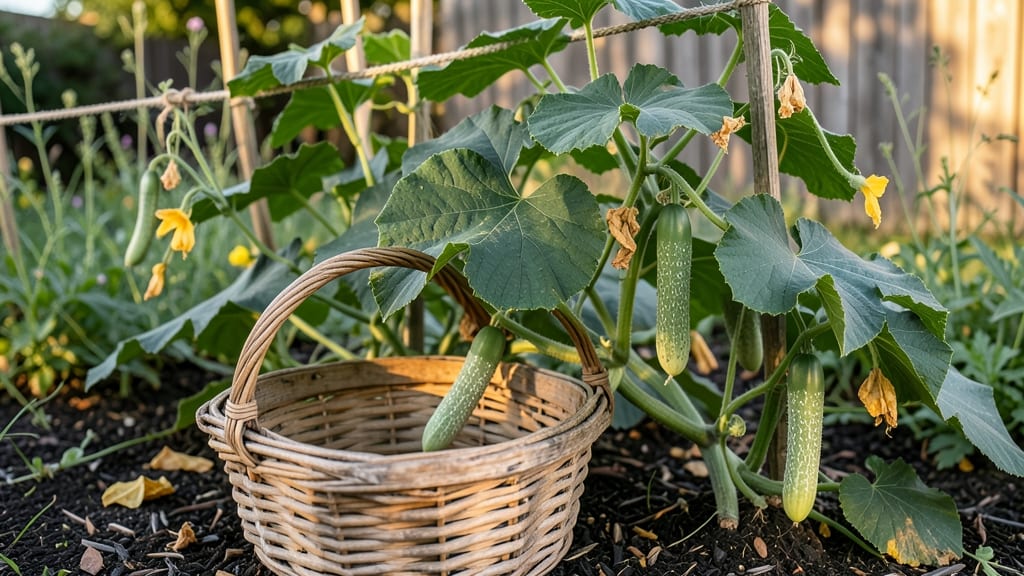
You should pick cucumbers when they are prickly to ensure optimal flavor and texture, as harvesting at this stage prevents bitterness and promotes continuous fruiting. Prickly skin signals maturity, but overripe cucumbers develop harsh seeds and tough skin.
When cucumbers develop prickly skin, that's your cue—they've reached the perfect balance of flavor and tenderness. 🌱 This stage ensures the fruit is sweet, crisp, and free from the bitter compounds that develop as cucumbers mature further.
I've found that harvesting at this point also encourages the plant to produce more cucumbers, since it's not putting all its energy into seed development. For gardeners, this means fewer overripe cucumbers and a longer harvest season overall.
Prickly cucumbers are particularly prized in recipes where texture matters, like salads or fresh snacks. If you wait too long, you'll notice the skin becomes tougher and the seeds develop a bitter taste that's hard to mask.
The key is to check your plants every couple of days during peak growing season—this small effort pays off with consistently delicious harvests.
💡 In This Article
- Why Prickly Skin Indicates Cucumber Maturity
- Best Practices for Harvesting Prickly Cucumbers
Why prickly skin indicates cucumber maturity
The prickly texture on cucumbers isn't just a quirk of nature—it's a clear botanical signal that the fruit has reached its prime eating stage.
When cucumbers develop these tiny, hair-like spines, it means the plant has allocated just the right amount of energy to flesh development while keeping seed formation minimal. This balance creates the ideal flavor profile: sweet, crisp, and free from the bitter cucurbitacin compounds that develop as cucumbers mature further.
Here's what's happening scientifically: those prickles are actually modified plant hairs called trichomes, which contain compounds that deter pests.
When cucumbers are at this stage, their flesh typically measures around 1-2 inches in diameter and has a firm yet tender bite—perfect for slicing or snacking. 🌱 What's fascinating is how this compares to seedless varieties: even heirloom types develop prickles at the same maturity point, though their flavor intensity may vary slightly due to genetic differences in cucurbitacin production.
The plant's energy allocation is crucial here. When you harvest at the prickly stage, you're essentially telling the cucumber plant, "Keep producing more fruit!" instead of letting it focus on seed development, which would make the cucumbers tough and bitter.
This is why experienced gardeners often see a 30-50% increase in overall yield when they harvest consistently at this stage rather than letting cucumbers grow to full maturity.
What most people don't realize is how quickly cucumbers transition from perfect to overripe. Within just 2-3 days after developing prickles, the skin becomes tougher, the seeds enlarge, and the flavor shifts from sweet to bitter.
The prickles themselves start to fade as the plant redirects resources to seed production—a clear visual cue that it's past the ideal harvest window.
Consider this comparison: a 1-inch diameter prickly cucumber will have a sugar content of about 2-3%, while a 3-inch overripe cucumber might have less than 1% sugar but contain 5-10 times more bitter compounds.
This dramatic difference explains why chefs and home cooks alike prefer cucumbers at this specific maturity stage for everything from salads to pickling.
For those growing heirloom varieties, the prickle development might be slightly less pronounced due to their thinner skins, but the timing remains the same. The key is to examine both the surface texture and the size—typically 6-8 inches long for most varieties—when determining readiness.
This dual check ensures you're getting cucumbers that are both visually and gastronomically perfect.
The botanical reason behind this prickly stage goes back to the plant's evolutionary strategy. In the wild, cucumbers develop prickles to protect against herbivores while still being palatable enough for animals to spread seeds.
Domesticated varieties retain this trait as a natural indicator of optimal harvest time—a perfect example of how plant morphology reveals culinary potential. 💫