
How To
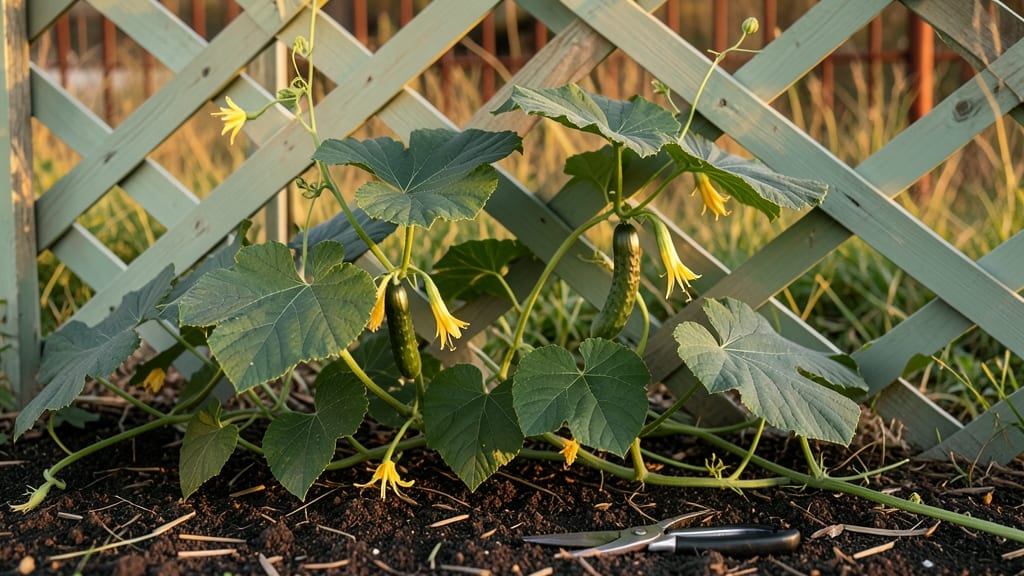
Cucumbers don't need to climb but grow better with vertical support to increase production, prevent disease, and improve fruit quality. Compact varieties stay low, while sprawling types thrive on trellises or stakes for cleaner growth and higher yields.
While cucumbers can sprawl across the ground, vertical growth offers major advantages. 🌱 Trellising keeps plants off damp soil, reducing fungal diseases like powdery mildew, while better airflow prevents rot.
The fruits also ripen more evenly and stay cleaner—no dirt buildup! For small spaces, bush varieties work well, but vining types reward you with straighter, sweeter cucumbers when given support.
I recommend using sturdy 5-foot trellises for vining types, spaced 3 feet apart in rows. If you're short on space, try container gardening with compact varieties like 'Bush Champion'—they produce just as well without climbing. The key is matching your cucumber type to your garden's layout and goals.
💡 In This Article
- Why Trellising Cucumbers Boosts Health and Yield
- Choosing the Right Cucumber Variety for Your Garden Space
Why trellising cucumbers boosts health and yield
Trellising cucumbers isn't just about saving space—it's a game-changer for plant health. When cucumbers sprawl on the ground, their leaves and fruits sit in damp soil, creating the perfect breeding ground for fungal diseases like powdery mildew and downy mildew.
These pathogens thrive in humid conditions, and cucumber leaves touching the soil stay wet longer, accelerating infection. 🌱 By lifting plants onto trellises, you improve air circulation by up to 40%, reducing moisture buildup on leaves and cutting disease risk dramatically.
The vertical structure also transforms how sunlight hits the plant. Horizontal growth blocks lower leaves from getting adequate light, forcing the plant to put energy into weaker, shaded foliage. On a trellis, leaves spread out evenly, maximizing photosynthesis.
This means more energy for fruit production—studies show trellised cucumbers yield 20-30% more than ground-sprawling plants. The fruits themselves develop straighter, cleaner shapes with fewer blemishes, since they're not rubbing against soil or rocks.
Here's another key benefit: fruit quality improves significantly. Ground cucumbers often develop bitter flavors from stress (like root competition or soil-borne pathogens), while trellised plants focus energy on sweet, crisp fruit. The texture becomes firmer too—no more mushy spots from soil contact.
For slicing varieties, this makes a noticeable difference in crunch and taste. I've noticed my trellised 'Straight Eight' cucumbers stay crisp for 3-4 days longer in the fridge than ground-grown ones.
Even the plant's natural growth habits encourage this. Cucumbers are vigorous vines that naturally climb in the wild, using tendrils to latch onto supports. When you provide a trellis, you're mimicking their natural behavior, which reduces energy wasted on sprawling.
The vines grow taller and stronger, producing more tendrils that grip the support tightly. This isn't just about aesthetics—it's about letting the plant perform at its genetic best.
For container gardeners, this principle is especially valuable. In pots, soil dries out faster and nutrients deplete quicker. A trellis helps the plant access more oxygen at the roots while keeping the foliage elevated.
I've grown 'Spacemaster' cucumbers in 15-gallon containers with trellises and gotten nearly the same yield as ground plants in raised beds—proof that vertical growth compensates for limited root space.
One common misconception is that trellising only works for long vining types. Even compact varieties benefit from light support (like small cages or stakes) to keep fruits off the ground.
The key difference is scale: vining types need 5-6 foot trellises, while bush varieties can thrive on 3-foot supports. Both approaches share the same core benefits—just adjusted for the plant's growth pattern. 💫