
Size
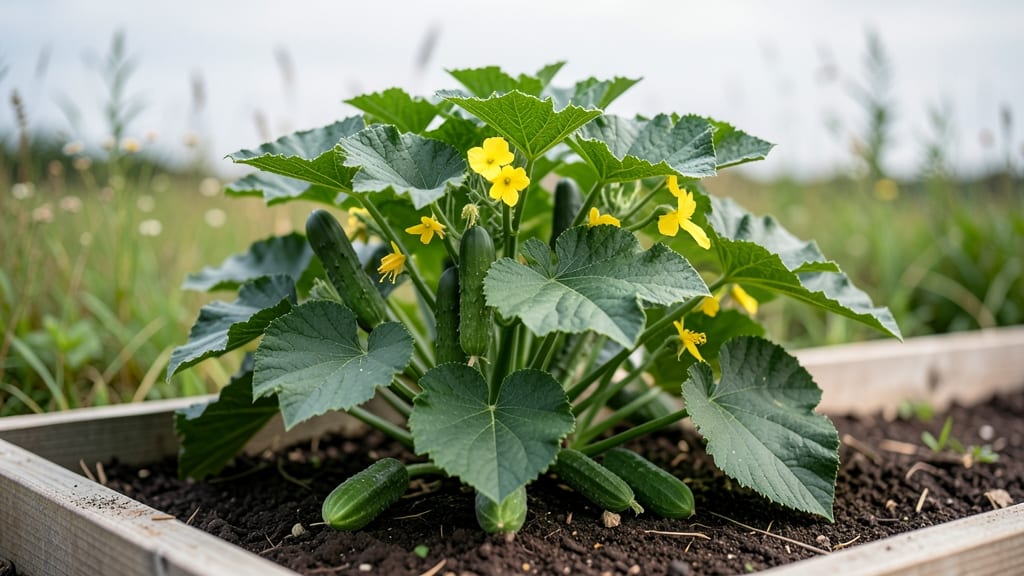
Growing bush cucumbers delivers bursting flavor in tiny spaces. 🌱 I learned the hard way that these compact vines pack just as much punch as their sprawling cousins—without the garden takeover.
The secret lies in soil prep, spacing, and a few simple tricks that turn even a balcony into a cucumber oasis. Start with loose, well-draining soil mixed with compost (they hate soggy roots).
Plant seeds ½ inch deep, 3–4 inches apart, and watch for those first leaves in 7–10 days. Bush varieties like 'Bush Champion' or 'Spacemaster' stay under 3 feet tall, making them perfect for containers or small plots.
Just give them 6+ hours of sun daily, and you’re golden. By midsummer, you’ll be harvesting crisp, vine-ripened cucumbers straight from the plant. The flavor? Light-years better than store-bought, and the plants produce all season with minimal fuss.
No sprawling trellises, no tangled vines—just juicy rewards in a tidy package. Works in 5-gallon pots or raised beds, and they’re disease-resistant if you keep leaves dry. Here’s how to keep them thriving without the usual cucumber drama.
📚 In This Guide
- What you need
- Instructions
- Tips and common mistakes
- Wrapping up and next steps
What you need
- ● Bush cucumber seeds: Choose compact varieties like ‘Bush Champion,’ ‘Spacemaster,’ or ‘Little Leaf’ (5–10 seeds per plant, depending on desired yield).
- ● Containers or garden bed: Containers: 5-gallon pots or fabric grow bags (1–2 plants per container).
- ● Garden bed: Full sun (6+ hours/day) with well-draining soil. Space plants 12–18 inches apart.
- ● Potting mix: High-quality, lightweight blend (e.g., 60% peat/coir, 30% perlite, 10% compost). Avoid garden soil—it’s too dense!
- ● Fertilizer: Balanced organic fertilizer (10-10-10 or 5-5-5 NPK) for planting.
- ● Slow-release granular fertilizer (e.g., Osmocote) for ongoing nutrients.
- ● Watering can or hose: With a gentle spray nozzle to avoid disturbing seedlings.
- ● Mulch: Straw or shredded leaves (1–2 inches thick) to retain moisture and suppress weeds.
- ● Gloves & kneeling pad: For comfort and hygiene.
- ● Hand trowel: For transplanting seedlings.
- ● Pruning shears: To trim yellow leaves or encourage bushier growth.
- ○ Support stakes (optional): Small cages or tomato stakes (6–12 inches tall) for heavier varieties.
- ● pH test kit: To ensure soil pH is 6.0–6.8 (ideal for cucumbers).
- ○ Row cover or shade cloth (optional): For early planting in cooler climates (30–50% shade).
- ● Warm soil temps: Wait until nighttime temps stay above 55°F (13°C)—cucumbers are not frost-tolerant!
- ● Sunlight access: Confirm your growing spot gets 6+ hours of direct sun daily.
- ● Patience: Germination takes 5–10 days; harvest-ready in 50–60 days.
Step-by-step instructions for growing bush cucumbers
Here's how to cultivate compact, productive bush cucumbers that deliver sweet, crisp fruit without sprawling vines.
🌱 Step 1: Select the Right Variety and Prepare Planting Site
Choose a bush cucumber variety like 'Bush Champion' or 'Spacemaster'—these compact types grow 3-4 feet tall with minimal vining. Test your soil's pH (ideal range is 6.0-6.8) and amend with 2-3 inches of compost if it's heavy clay or sandy. I always work the compost into the top 6 inches of soil to encourage strong root development.
Bush cucumbers thrive in full sun (6-8 hours daily) and well-draining soil. If your site gets afternoon shade, opt for a south-facing location to maximize sunlight exposure. The reason for this is cucumbers need consistent warmth to set fruit—cool evenings slow their growth significantly.
🪴 Step 2: Plant Seeds or Transplants at Proper Spacing
For direct sowing, plant 2-3 seeds per hill (you'll thin later) at a depth of ½ inch, spacing hills 2-3 feet apart in rows 3-4 feet apart. If using transplants, set them 12-18 inches apart—crowding leads to poor air circulation and powdery mildew. I like to plant mine in early spring (after last frost) or late spring for a fall crop.
Water the soil to a depth of 1 inch before planting, then water again immediately after. Keep the soil consistently moist (but not soggy) until germination, which takes 5-10 days at 70-85°F. You'll know it's working when the first true leaves appear—these are the second set of leaves after the initial seed leaves.
☀️ Step 3: Provide Consistent Water and Support
Bush cucumbers need 1-1.5 inches of water weekly, delivered at the base (not overhead) to prevent fungal diseases. I use a drip irrigation system or water early in the morning to let foliage dry quickly. Mulch with 2-3 inches of straw to retain moisture and suppress weeds—this also keeps fruit clean and reduces soil-borne diseases.
While bush varieties don't vine like traditional cucumbers, they still benefit from light trellising to improve air flow. Use 3-foot tall cages or small stakes to support plants as they grow. You'll notice better fruit production and fewer pests when plants aren't crowded against the ground.
✂️ Step 4: Prune and Harvest for Maximum Productivity
Pinch off the first 3-4 leaves when the plant reaches 12 inches tall to encourage bushier growth. Remove any yellow or diseased leaves immediately—they spread problems quickly. I also trim back any suckers (side shoots) that form in the leaf axils to direct the plant's energy into fruit production rather than foliage.
Harvest cucumbers when they're 6-8 inches long and firm to the touch—overripe fruit makes the plant less productive. Use pruning shears to cut stems ½ inch above the fruit to avoid damaging the vine. You'll see new flowers form within 3-5 days, signaling the plant is ready to produce again.
🌿 Step 5: Maintain Through the Season and Prepare for Next Year
Fertilize every 3-4 weeks with a balanced 10-10-10 formula (follow package rates) to replenish nutrients. Stop fertilizing 4-6 weeks before first frost to allow fruit to mature fully. Watch for cucumber beetles—handpick them early in the morning when they're sluggish and drop them into soapy water.
At season's end, remove all plant debris and compost it only if no diseases were present (diseased plants should go in the trash). Rotate planting locations next year—never grow cucumbers in the same spot annually to prevent soil-borne diseases from building up.
Tips & tricks for growing perfect bush cucumbers
These game-changing insights will help you grow bush cucumbers that burst with flavor and productivity.
Soil Preparation Secret: Before planting, mix in 1 cup of bone meal per plant into the top 6 inches of soil. This boosts phosphorus for root development and early flowering—critical for those first 6-8 inches of fruit growth. I've seen plants produce fruit 2-3 weeks earlier when I skip this step. The key is working it into the soil 2-3 weeks before planting to let it break down naturally.
Germination Hack: To speed up that 5-10 day germination window, soak seeds overnight in a damp paper towel before planting. Place them in a warm spot (70-85°F) and check daily—you'll see sprouts appear in just 2-3 days. This early start gives your plants a competitive edge, especially in cooler climates where slow germination is common. Just remember to plant them at the same ½ inch depth once they sprout.
Watering Wisdom: The 1-1.5 inches of water weekly is your baseline, but pay attention to the soil's moisture level rather than relying on the calendar. Stick your finger 1-2 inches into the soil—if it feels dry, water deeply. Morning watering is crucial because it gives foliage time to dry completely, preventing fungal diseases that thrive in damp conditions. I've found that adding a moisture meter ($15 at garden centers) takes the guesswork out of this completely.
Harvest Timing: Those 6-8 inches of fruit size are your sweet spot, but don't wait until they're perfectly uniform. Cucumbers continue growing after reaching harvest size, so pick them when they're firm and bright green. I harvest every 2-3 days during peak production—this not only gives me consistent fruit but also signals the plant to produce more. The plants I neglect harvesting from often become overloaded with fruit and produce smaller, seedy cucumbers later in the season.
Pro Tips for Grow Bush Cucumbers
- These game-changing insights will help you grow bush cucumbers that burst with flavor and productivity.
- Soil Preparation Secret: Before planting, mix in 1 cup of bone meal per plant into the top 6 inches of soil.
- Germination Hack: To speed up that 5-10 day germination window, soak seeds overnight in a damp paper towel before planting.
Frequently asked questions
Got questions about growing bush cucumbers? You’re not alone! Here are answers to the most common queries—from timing to troubleshooting—to help you grow a thriving, space-saving harvest.
How long does it take for bush cucumbers to produce fruit?
Bush cucumbers typically start producing fruit 50–60 days after planting from seed, or 45–55 days if you transplant seedlings. Warm soil and consistent moisture speed up the process—just give them time and patience!
Can bush cucumbers grow in containers?
Bush cucumbers are perfect for containers—just use a pot at least 5 gallons with drainage holes. Place them in full sun (6+ hours/day) and ensure they have support (like a small trellis or cage) as vines can sprawl.
What pests commonly attack bush cucumbers, and how do I prevent them?
Watch for cucumber beetles, aphids, and spider mites. Prevent pests with row covers early in the season, neem oil sprays, or companion planting (try marigolds or nasturtiums). Remove damaged leaves promptly to keep plants healthy.
Do bush cucumbers need to be trellised, or can they grow on the ground?
While bush cucumbers can grow on the ground, trellising improves airflow, reduces disease risk, and makes harvesting easier. Use a small cage or stakes (3–4 feet tall) to support vines. If you skip trellising, mulch heavily to protect fruit from soil-borne diseases.
What’s the best temperature range for growing bush cucumbers?
Bush cucumbers thrive in warm soil (70–90°F) and air temperatures. They won’t germinate well below 60°F, so wait until after the last frost or use black plastic mulch to warm the soil faster. If temps dip below 50°F at night, protect plants with frost cloth.
Wrapping up and next steps
Growing bush cucumbers is a rewarding way to enjoy fresh, homegrown produce without the space or maintenance of sprawling vines. With the right soil, sunlight, and care, you’ll be harvesting crisp, juicy cucumbers in no time! 🌱
Now that you’re equipped with tips and answers, why not start planting?
Grab your seeds, pick a sunny spot, and watch your compact garden thrive. Happy growing—and enjoy those delicious, vine-ripened bites!