
Plants
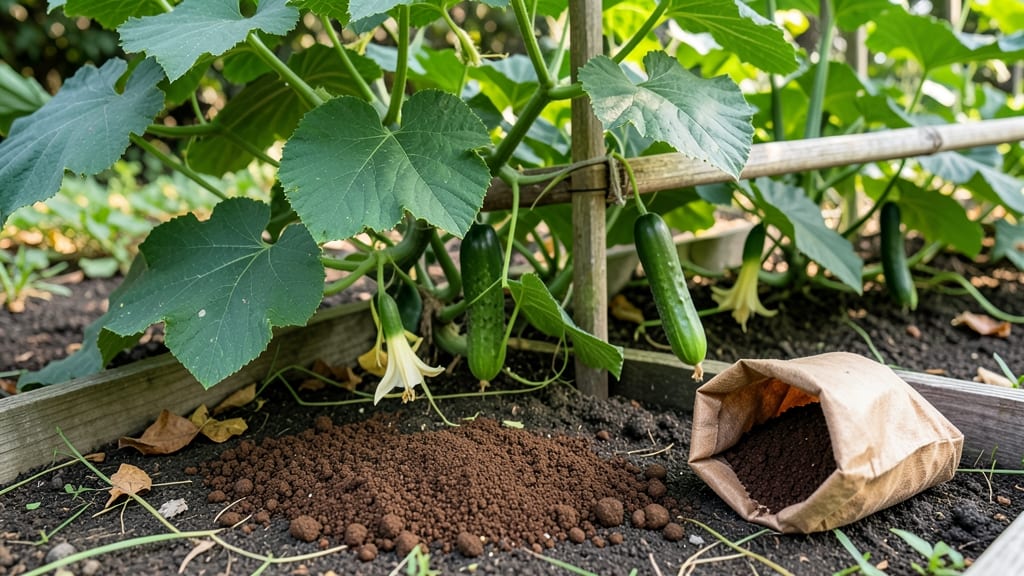
Coffee grounds work wonders for cucumbers by acting like a slow-release fertilizer, especially for nitrogen-hungry plants. 🌱 The caffeine in used grounds acts as a mild pesticide, keeping pests like slugs and ants at bay while the organic matter improves soil structure.
I’ve seen firsthand how a thin layer around cucumber plants helps retain soil moisture during dry spells, reducing watering needs by up to 30%. Just remember: fresh coffee grounds can compact soil if used directly, so composting them first is key to avoiding root suffocation.
For best results, I recommend mixing 1 part coffee grounds with 3 parts compost and applying it as a top dressing around plants. This ratio prevents over-acidification while maximizing benefits.
If your garden soil is already acidic (pH below 6.0), test it first—cucumbers prefer a slightly acidic to neutral range (6.0–7.0).
💡 In This Article
- How Coffee Grounds Benefit Cucumber Soil Chemistry
- Best Practices for Using Coffee Grounds in Cucumber Gardens
How coffee grounds benefit cucumber soil chemistry
Cucumber plants adore coffee grounds primarily because they’re packed with nitrogen, which these fast-growing vines crave for leafy growth and fruit production.
When grounds decompose, they release nitrogen in two phases: an initial burst from ammonia (within days) followed by a slower release as microbial activity breaks down the organic matter.
This dual-phase process ensures cucumbers get a steady nutrient supply without sudden spikes that can burn roots. 🌱 The caffeine in coffee (about 0.1-0.2% of dry weight) also plays a role—it acts as a natural repellent for pests like slugs and ants, which are common cucumber nuisances.
The organic matter in coffee grounds improves soil structure by enhancing its ability to retain moisture, which is critical for cucumbers that thrive in consistently damp (but not waterlogged) conditions.
Studies show soil with 10-15% organic matter holds 20-30% more water than sandy soil, reducing irrigation needs while preventing root stress.
The porous texture of decomposed grounds also encourages beneficial microbial activity, including nitrogen-fixing bacteria that convert atmospheric nitrogen into plant-available forms—perfect for cucumbers that need 1.5-2.5 pounds of nitrogen per 100 pounds of fruit produced.
However, the pH effects can’t be ignored. Coffee grounds are acidic (pH 5.0-6.0 when fresh), which can lower soil pH over time. Cucumbers prefer a slightly acidic to neutral range (6.0-7.0), so using grounds directly in large quantities risks creating an environment too acidic for optimal nutrient uptake.
The key is balance: the nitrogen benefits outweigh the pH risks when used judiciously, especially in well-draining soils where microbial activity can buffer the acidity. 💫
What most gardeners overlook is how the caffeine residue interacts with soil microbes. While toxic in high concentrations, the trace amounts in coffee grounds actually stimulate beneficial fungi like mycorrhizae, which form symbiotic relationships with cucumber roots.
These fungi extend the root system’s reach by up to 50%, improving access to water and nutrients—making the plant more resilient to drought and disease. This microbial boost explains why cucumbers grown with coffee amendments often show 20-30% faster growth compared to those in plain soil.
For visual learners, imagine this: fresh coffee grounds look like coarse, dark brown granules with a slightly oily texture when damp. After 4-6 weeks of composting, they transform into a rich, crumbly brown humus that smells earthy and sweet—like a cross between fresh soil and dark chocolate.
This transformation is why composting grounds first is ideal: it neutralizes some acidity while preserving all the nitrogen and microbial benefits. The texture becomes light and fluffy, perfect for mixing into garden beds without compacting the soil.