
Pests
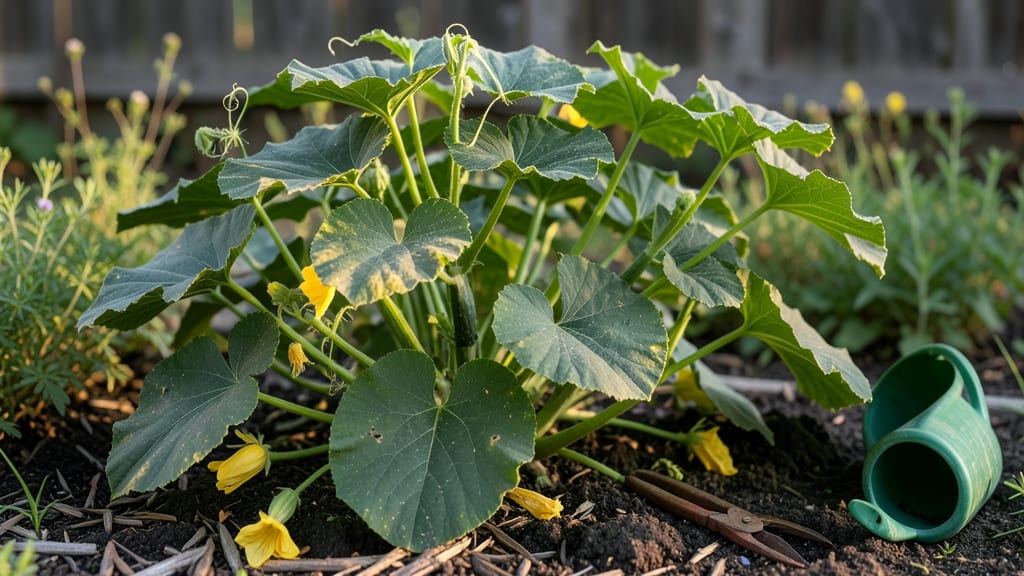
When the different cucumber leaves on your plants start looking anything but healthy, it’s time to play detective. 🌿 Those jagged edges, yellow splotches, or sticky residue aren’t just bad luck—they’re clues pointing to pests, diseases, or environmental stress that need your attention.
I’ve spent years watching cucumbers go from lush and green to looking like a crime scene, and I’ve learned which problems show up first and how to fix them before they wreck your harvest.
The first step is matching the damage to the culprit. Spider mites leave fine webbing and speckled leaves, while aphids cluster on undersides and leave a sticky mess. Fungal issues like powdery mildew appear as white dust, and bacterial spots show up as water-soaked holes.
Overwatering? Your leaves turn yellow and mushy, while underwatering makes them crispy at the edges. The key is catching these issues early—before they turn your plants into a sad, wilted memory.
Once you’ve identified the problem, the solutions are straightforward but effective. For pests, a strong spray of water or homemade neem oil does the trick. Fungal diseases respond to copper-based sprays or baking soda mixes, while environmental stress just needs adjusted watering or better airflow.
The goal is to restore those leaves to their vibrant green selves so your cucumbers can keep growing strong and productive.
This isn’t just about saving a few leaves—it’s about protecting your entire harvest. With the right approach, you’ll turn those distressed plants around and keep your garden thriving all season long. Let’s get those cucumbers back on track!
Root Causes Behind Leaf Changes
When your cucumber plants start showing different cucumber leaves—whether it’s sudden yellowing, curling, spotting, or stunted growth—it’s rarely a coincidence. Environmental stress, biological invaders, or nutritional imbalances are usually the culprits.
Understanding these root causes helps you act fast and save your harvest. Let’s break down the science behind why your cucumber leaves might look so different.
Cucumbers are tropical plants at heart, and they hate extremes. When temperatures swing too high or too low—or when humidity drops suddenly—their leaves react in predictable (and often alarming) ways.
- Heat Stress (Above 90°F/32°C):
- Leaves turn yellow or brown at the edges (a condition called scorch).
- Curling or cupping occurs as the plant tries to reduce water loss.
- Why? High temps increase transpiration (water loss), while heat also denatures enzymes in leaves, disrupting photosynthesis.
- Cold Stress (Below 50°F/10°C):
- Leaves develop black or purple spots (often called chilling injury).
- New growth may appear stunted or distorted.
- Why? Cold temperatures crystallize cell membranes, damaging chloroplasts and blocking nutrient transport.
- Sudden Humidity Drops:
- Leaves may curl inward or develop brown, crispy edges.
- Why? Low humidity increases osmotic stress, forcing cells to lose moisture rapidly.
Actionable Fix: Use shade cloth in peak sun, mulch to regulate soil temps, and water deeply in the early morning to combat heat. For cold snaps, cover plants with frost cloth or row covers.
Cucumbers are thirsty but not waterlogged—getting the balance wrong leads to dramatic leaf changes. Water stress triggers a cascade of physiological responses, often mimicking pest or disease damage.
- Underwatering:
- Leaves yellow between veins (a sign of chlorosis).
- Edges turn brown and crispy.
- Why? Water deficit causes stomatal closure, reducing gas exchange. Roots can’t absorb nutrients, leading to nutrient deficiency symptoms (even if soil is fertile).
- Overwatering:
- Leaves yellow uniformly (not just between veins).
- Stems may rot, and leaves feel mushy.
- Why? Excess water displaces oxygen in soil, leading to root suffocation. Anaerobic conditions trigger ethylene production, a stress hormone that accelerates leaf senescence (aging).
- Inconsistent Watering:
- Leaves develop uneven spots or cauliflower-like bumps.
- Why? Fluctuating moisture levels cause cellular swelling and shrinking, damaging cell walls.
Actionable Fix:
- Water deeply 1–2 times per week (1–1.5 inches total) rather than daily shallow sessions.
- Use drip irrigation or soaker hoses to keep moisture consistent.
- Check soil moisture 1 inch below the surface—if dry, water; if soggy, hold off.
Cucumbers are heavy feeders, and soil imbalances show up fast in their leaves. Each nutrient deficiency triggers a unique visual cue—like a plant’s way of sending an SOS.
| Nutrient Issue | Leaf Symptoms | Scientific Cause |
|---|---|---|
| Nitrogen (N) Deficiency | Older leaves turn pale yellow (chlorosis), then brown and die. | Nitrogen is critical for chlorophyll and protein synthesis. Without it, photosynthesis grinds to a halt in older leaves first (a survival tactic to preserve new growth). |
| Potassium (K) Deficiency | Leaf edges brown and scorch (like a "fried" look). | Potassium regulates osmotic balance and stomatal function. A shortage causes water imbalance, leading to cellular dehydration and necrosis at leaf margins. |
| Magnesium (Mg) Deficiency | Yellowing between veins (interveinal chlorosis) on older leaves. | Magnesium is the central atom in chlorophyll. Without it, leaves can’t produce enough chlorophyll, starting in older tissues. |
| Phosphorus (P) Deficiency | Dark green or purplish leaves, especially on undersides. | Phosphorus aids in energy transfer (ATP production). Stress from deficiency triggers anthocyanin (purple pigment) production as a protective response. |
| Toxic Soil pH (Too Acidic or Alkaline) | Yellowing, stunted growth, or metallic leaf edges. | Extreme pH levels lock out nutrients (e.g., iron, manganese) or cause toxic buildup of aluminum, disrupting root function. |
Actionable Fix:
- Test soil before planting (aim for pH 6.0–6.8 for cucumbers).
- Add compost or balanced fertilizer (e.g., 10-10-10) at planting, then side-dress with nitrogen-rich amendments (like fish emulsion) mid-season.
- For magnesium, use Epsom salt (1 tbsp/gallon of water) as a foliar spray.
While nutrient issues and weather stress are common, pests and diseases often mimic these problems—making diagnosis
Fixing cucumber leaf issues naturally
When your cucumber plants start showing unusual leaf patterns, colors, or damage, acting quickly can save your harvest. Below are practical, natural solutions tailored to the most common causes—from pests to diseases—along with prevention tips to keep your plants thriving.
1. Spider Mites (Yellowing, Stippled Leaves)
Fix: - Spray with Neem Oil 🌿: Mix 1 tbsp neem oil + 1 tsp mild soap + 1 quart water. Spray leaves early in the morning (avoid direct sun to prevent leaf burn).
Repeat every 5–7 days until mites disappear. - Introduce Predatory Bugs 🐞: Ladybugs and lacewings love spider mites.
Release them near affected plants or attract them with dill or fennel as a companion plant. - Blast Off with Water 💦: Use a strong hose spray to knock mites off leaves (best done in the evening).
Prevent:
- Mulch heavily to retain soil moisture (mites thrive in dry conditions).
- Rotate crops yearly to avoid buildup.
- Check undersides of leaves weekly for early signs.
2. Aphids (Curled, Sticky Leaves) Fix:
- Soap Spray Attack 🧼: Mix 1 tbsp castile soap + 1 quart water. Spray directly on aphids (they’ll drop off). Reapply after rain.
- Homemade Garlic Spray 🧄: Blend 3 garlic cloves + 1 quart water, strain, and spray.
Aphids hate the smell and will vacate. - Handpick & Squish 👊: For small infestations, pinch off heavily infested leaves and drop them in soapy water.
Prevent:
- Plant marigolds or nasturtiums nearby—they repel aphids naturally.
- Encourage parasitic wasps (they lay eggs in aphids—nature’s pest control!).
- Avoid over-fertilizing with nitrogen (aphids love tender new growth).
3. Cucumber Beetles (Holes, Wilting, Scalloped Edges)
Fix: - Diatomaceous Earth Barrier 🏗️: Sprinkle food-grade DE around the base of plants (reapply after rain).
It dehydrates beetles on contact. - Row Covers Early 🛡️: Use floating row covers when planting to block beetles entirely. - Beer Trap 🍺: Bury a cup filled with beer near plants—beetles crawl in and drown.
Prevent:
- Plant trap crops like radishes or turnips to distract beetles away from cucumbers.
- Rotate planting locations every year to disrupt beetle life cycles.
4. Powdery Mildew (White Fuzzy Coating) Fix: - Baking Soda Spray 🧂: Mix 1 tsp baking soda + 1 tsp oil + 1 quart water.
Spray every 7–10 days (oil helps it stick). - Milk Spray 🥛: Use 1 part milk to 9 parts water—the proteins inhibit fungal growth. Spray in the evening. - Prune for Airflow 🌬️: Remove crowded leaves to improve circulation (fungi thrive in humidity).
Prevent:
- Water at the base (never overhead) to keep leaves dry.
- Space plants 12–18 inches apart for airflow.
- Choose resistant varieties like ‘Lemon’ or ‘Straight Eight’ cucumbers.
5. Bacterial Leaf Spot (Dark Spots with Yellow Halos) Fix: - Copper Fungicide Spray 🛡️: Use an organic copper-based spray (follow label rates).
Apply at first sign of spots. - Remove Infected Leaves 🗑️: Dispose of (don’t compost) spotted leaves immediately to stop spread. - Hydrogen Peroxide Soak 💧: Soak pruners in 3% hydrogen peroxide between cuts to kill bacteria.
Prevent:
- Rotate crops—don’t plant cucumbers in the same spot next year.
- Sterilize tools with rubbing alcohol before and after use.
- Avoid overhead watering (use drip irrigation instead).
| Issue | Quick Fix | Prevention Tip |
|---|---|---|
| Yellowing Leaves | Check for overwatering or nutrient deficiency (add compost). | Test soil pH (ideal: 6.0–6.8). |
| Wilting (Not Pests) | Water deeply but less often (drought stress). | Use mulch to retain moisture. |
| Stunted Growth | Fertilize with compost tea or fish emulsion. | Side-dress with worm castings mid-season. |
💡 Pro Tip: Always inspect leaves early in the morning—dew can hide pests, and sunlight helps sprays dry faster!
By addressing issues at the first sign, you’ll keep your cucumber plants lush, pest-free, and productive—no chemicals needed! 🌱🍉
Frequently asked questions about cucumber leaf variations
Why do my cucumber leaves have yellow spots between the veins?
This is often a sign of magnesium deficiency or chlorosis from overwatering. Check soil moisture first—if it's soggy, reduce watering. For magnesium, spray diluted Epsom salt (1 tbsp/gallon) on leaves every 2 weeks. Yellowing between veins specifically points to magnesium issues, while uniform yellowing suggests iron or nitrogen problems.
What causes cucumber leaves to curl upward or downward?
Curling usually indicates pest damage (like spider mites or aphids) or environmental stress. Check leaf undersides for tiny webs (mites) or sticky residue (aphids). For environmental causes, ensure consistent moisture and proper airflow—cucumbers hate sudden temperature swings. A strong water spray can temporarily knock off pests, but neem oil provides longer-term control.
Are holes in cucumber leaves always from pests?
Not always! While cucumber beetles and slugs create ragged holes, wind or hail can cause similar damage. Look for chewed edges (pests) vs. clean tears (environmental). For pest damage, use row covers early or apply diatomaceous earth around plant bases. Environmental damage usually appears suddenly across multiple leaves, while pests target specific plants.
How can I tell if my cucumber leaves are diseased vs. just stressed?
Diseased leaves often show distinct patterns like powdery mildew's white coating or bacterial spot's water-soaked holes with yellow halos. Stress symptoms (like yellowing) are more uniform. For fungal diseases, improve airflow and use baking soda spray (1 tsp baking soda + 1 quart water). For bacterial issues, remove infected leaves immediately and sterilize pruners with rubbing alcohol.
Will pruning damaged cucumber leaves help my plant recover?
Yes, but only remove 1/3 or less of the plant at a time to avoid shocking it. Focus on severely damaged or diseased leaves first. Pruning improves airflow (reducing fungal risks) and redirects energy to healthier growth. Always use clean, sharp tools and dispose of infected leaves in the trash—not compost—to prevent spreading problems.