
Plants
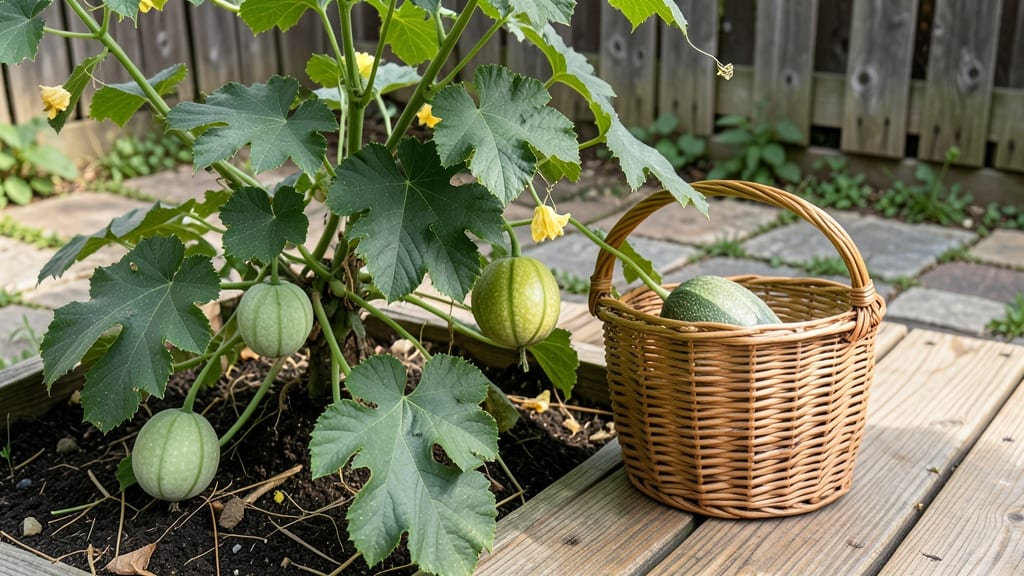
Growing cucumbers that look like watermelons turns your garden into a living centerpiece. 🌿 These unique varieties—like 'Watermelon Cucumber'—aren't just for show; they're surprisingly easy to grow once you know the tricks.
I planted mine last spring, and by midsummer, my patio was filled with striped, melon-shaped pods that neighbors kept admiring (and asking about). The secret starts with soil that drains well but holds moisture—think sandy loam mixed with compost.
They need full sun (6+ hours daily) and a sturdy trellis, since these vines can sprawl 10-15 feet if left unchecked. My first mistake? Skipping the trellis—now I swear by it for keeping the fruits clean and the plants contained.
By late summer, you'll harvest 6-12 inch striped cucumbers that look like tiny watermelons but taste like crisp, mild cucumbers (great for slicing or pickling). The real magic? They keep producing until frost, giving you weeks of conversation-starting harvests. Just watch for cucumber beetles—they adore these varieties too.
Perfect for container gardens, small spaces, or as a whimsical addition to your veggie patch. Here's how to make them thrive without the usual cucumber headaches.
📚 In This Guide
- What you need
- Instructions
- Tips and common mistakes
- Wrapping up and next steps
What you need
- ● Giant cucumber-watermelon seeds – Look for heirloom varieties like ‘Watermelon Cucumber’ or ‘Melothria scabra’ (1–2 packets for a full harvest).
- ● Large containers or garden beds – At least 5-gallon pots (or a raised bed with 12+ inches of depth) per plant. These vines need room to sprawl!
- ● Well-draining potting mix – A blend of 60% compost, 30% coconut coir, and 10% perlite (or a high-quality organic soil).
- ● Trellis or sturdy support – A 6–8-foot tall trellis (wooden, metal, or PVC) to guide the vines upward and prevent fruit rot.
- ● Fertilizer – A balanced organic fertilizer (5-5-5 or 3-4-6) or compost tea for consistent feeding.
- ● Watering can or drip irrigation – Consistent moisture is key; aim for 1–2 inches per week (adjust for heat).
- ● Pruning shears – For trimming excess vines and encouraging fruit growth.
- ○ Row covers or shade cloth (optional but helpful) – 30–50% shade cloth if growing in hot climates (prevents sunburn on fruits).
- ● Garden gloves – To protect hands from prickly vines.
- ● pH test kit – Ideal soil pH: 6.0–6.8 (adjust with lime or sulfur if needed).
- ● Mulch (straw or wood chips) – Retains moisture and suppresses weeds.
- ● Grow lights (indoor starters) – If germinating seeds early (12–16 hours of light/day).
- ● Decorative planters or hanging baskets – For a whimsical, space-saving display!
How to grow giant watermelon-like cucumbers for dramatic garden displays
Turn your garden into a showstopper with these oversized cucumbers that look like miniature watermelons.
🌱 Step 1: Select the Right Variety and Start Seeds Early
Choose a giant cucumber variety like 'Green Zebra' or 'Armenian'—these develop thick, ribbed fruits that resemble watermelons. Start seeds indoors 6-8 weeks before your last frost date in biodegradable pots to avoid root disturbance. Use a seed-starting mix and plant 1-2 seeds per pot at a depth of ½ inch. Keep the soil consistently moist but not soggy—60-70°F is ideal for germination.
I like to use a grow light on a 16-hour cycle right from the start. Watermelon-like cucumbers need strong early growth to support their massive fruit later. Watch for first true leaves—that’s your cue to harden off seedlings by moving them outside for 2-3 hours daily a week before transplanting. Real talk: Skipping this step leads to weak vines that struggle under heavy fruit.
☀️ Step 2: Choose a Sunny Spot and Prepare the Soil
Cucumbers need full sun (6-8 hours daily) and rich, well-draining soil with a pH of 6.0-6.8. Amend the planting area with 2-3 inches of compost and a balanced fertilizer (10-10-10) mixed into the top 6 inches of soil. These cucumbers develop fruits weighing 2-4 pounds, so sturdy vines need strong roots. I always test soil moisture before planting—it should feel like a wrung-out sponge, not a dripping wet rag.
Plant seedlings 12-18 inches apart in hills (groups of 3-4 plants) to encourage strong vine growth. Use trellises or cages immediately—these cucumbers sprawl aggressively. The moment you see first flowers, start checking for fruit set (tiny cucumbers forming). If flowers drop without fruiting, your humidity is too low or pollen isn’t transferring (hand-pollinate with a paintbrush if needed).
💧 Step 3: Water Deeply and Maintain Consistent Moisture
Watermelon-like cucumbers demand 1-2 inches of water weekly, delivered at the base of the plant to prevent powdery mildew on leaves. I water early morning to let foliage dry before evening—wet leaves overnight invite fungal diseases. Use drip irrigation or soaker hoses to avoid wetting the vines directly. The soil should stay evenly moist but never waterlogged; press your finger 1 inch deep to check.
Fertilize every 2-3 weeks with a low-nitrogen, high-potassium feed (like 5-10-10) once fruits appear. Over-fertilizing with nitrogen leads to leafy growth at the expense of fruit. Watch for yellowing leaves—this usually means underwatering or nutrient deficiency. If fruits develop bitter tastes, they’re stressed from inconsistent watering or too much sun exposure. Here’s the thing—these cucumbers need steady care to reach their full dramatic potential.
✂️ Step 4: Prune and Support for Maximum Fruit Development
Prune side shoots (suckers) growing from the main stem to direct energy into 2-3 primary vines. Remove any yellow or diseased leaves immediately—these cucumbers are prone to powdery mildew in humid climates. Train vines along trellises using soft plant ties (never wire, which cuts into tender stems). The goal is to elevate fruits off the ground to prevent rot and improve air circulation.
Harvest when cucumbers reach 8-12 inches long and develop firm, glossy skin. Use pruning shears to cut stems—twisting can damage the vine. I harvest every 2-3 days to encourage more production. If left too long, fruits become seedy and bitter. Store in the fridge for up to 1 week (they’re best used fresh in salads or as dramatic garnishes). This is the moment that matters: timely harvesting keeps the plant productive and prevents disease buildup.
🌿 Step 5: Extend the Season with Protective Measures
In cooler climates, use row covers or cold frames to protect vines until soil temperatures reach 60°F. These cucumbers won’t tolerate frost—even a light freeze kills the vines. I’ve grown them successfully into late fall by adding black plastic mulch to warm the soil. Watch for aphids or cucumber beetles—spray with neem oil at the first sign of pests. A healthy vine can produce 20+ fruits per season, but only if you stay vigilant against pests and diseases.
At season’s end, compost plant debris (unless diseased) to return nutrients to the soil. Save seeds from your best-performing fruits for next year—these giant cucumbers are heirloom varieties that improve with each generation. The key to stunning displays? Start early, prune aggressively, and harvest religiously. You’ll end up with cucumbers that look like edible art—perfect for garden tours or gourmet presentations.
Tips & tricks for growing dramatic watermelon-like cucumbers
These game-changing strategies will help you cultivate cucumbers that look like edible art—without the guesswork.
Seedling Strength: The 6-8 week indoor start is non-negotiable for these heavy-fruit varieties. Use biodegradable pots to prevent root shock when transplanting—plastic pots can cause damage when you remove them. I've found that seedlings grown under a 16-hour grow light cycle develop sturdier stems capable of supporting those 2-4 pound fruits. Watch for first true leaves before hardening off, and gradually increase outdoor exposure to 2-3 hours daily over that final week. The goal is to build vines that can handle the weight without sagging.
Soil Science: These cucumbers demand more than ordinary garden soil. Test your pH before planting—aim for 6.0-6.8—and amend with 2-3 inches of compost plus a 10-10-10 fertilizer mixed into the top 6 inches. The key is creating a loose, well-draining medium that holds moisture without becoming waterlogged. I always do a "sponge test" before planting: press your finger 1 inch deep—it should feel like a wrung-out sponge, not a dripping wet rag. Too much moisture invites root rot, while too little stresses the plants before they even get established.
Pollination Secrets: If your first flowers appear but no fruit sets, you're likely dealing with poor pollen transfer. These giant varieties often need a helping hand in humid climates. Use a small paintbrush to gently transfer pollen from male to female flowers (female flowers have tiny cucumbers at their base). I've had success with hand-pollination every 2-3 days during peak flowering, which can extend your harvest window by 2-3 weeks. The payoff? More of those dramatic, watermelon-like fruits instead of dropped blossoms.
Harvest Timing: The window for perfect harvest is narrow—aim for 8-12 inches long with firm, glossy skin. Any longer and the fruits become seedy and bitter. I use pruning shears to cut stems cleanly (never twist) and harvest every 2-3 days to encourage continuous production. Pro tip: Check for harvest readiness by gently pressing the skin—it should feel firm but yield slightly, like a ripe melon. Store harvested cucumbers in the fridge for up to 1 week, but they're best used immediately in salads or as conversation-starting centerpieces.
Pro Tips for Cucumbers That Look Like Watermelons
- These game-changing strategies will help you cultivate cucumbers that look like edible art—without the guesswork.
- Seedling Strength: The 6-8 week indoor start is non-negotiable for these heavy-fruit varieties.
- Soil Science: These cucumbers demand more than ordinary garden soil.
Frequently asked questions
Got questions about these eye-catching cucumbers that look like watermelons? You’re not alone! Here are answers to the most common queries—from growing tips to troubleshooting—so you can grow these giants with confidence.
How big do these cucumbers actually get?
These aren’t your average cucumbers! The Long Green variety can grow up to 12–18 feet long and weigh 50+ pounds—think of them as vining watermelon lookalikes. With proper support (like trellises or stakes), they’ll sprawl dramatically, creating a stunning garden centerpiece.
When is the best time to plant them?
Start seeds indoors 4–6 weeks before your last frost (or direct-sow after soil reaches 70°F+). In warm climates, plant in early spring; cooler regions may need to wait until late spring or early summer. These cucumbers thrive in hot weather, so give them plenty of sun (6+ hours/day).
Can I grow them in containers, or do they need a garden?
While they prefer a spacious garden, you can grow them in containers—just use a large, sturdy pot (20+ gallons) with drainage and a trellis for support. They’re heavy when mature, so ensure your container is stable and elevated to avoid tipping.
What pests should I watch out for?
These cucumbers are susceptible to cucumber beetles, aphids, and powdery mildew. Use row covers early in the season, neem oil for pests, and space plants for airflow to prevent mildew. Regularly inspect leaves and stems—early action keeps your vines healthy!
Are they edible, or just for decoration?
Yes, they’re 100% edible! While their skin is thicker (like a watermelon), the flesh inside is crisp, mild, and cucumber-like. Peel if you prefer, or enjoy them raw in salads, pickled, or even grilled. Just note: Flavor fades as they age, so harvest when firm and young for the best taste.
Wrapping up and next steps
Growing cucumbers that look like watermelons isn’t just a quirky gardening experiment—it’s a chance to turn your garden into a showstopper! These giant varieties bring bold texture, playful charm, and a unique harvest that’s as fun to grow as it is to admire.
Whether you’re a seasoned gardener or a curious beginner, now’s the perfect time to plant—just grab those seeds, find a sunny spot, and let nature do the rest.
Ready to take the plunge? Start your giant cucumber adventure today—your garden (and your Instagram feed) will thank you! 🌱✨