
Picking
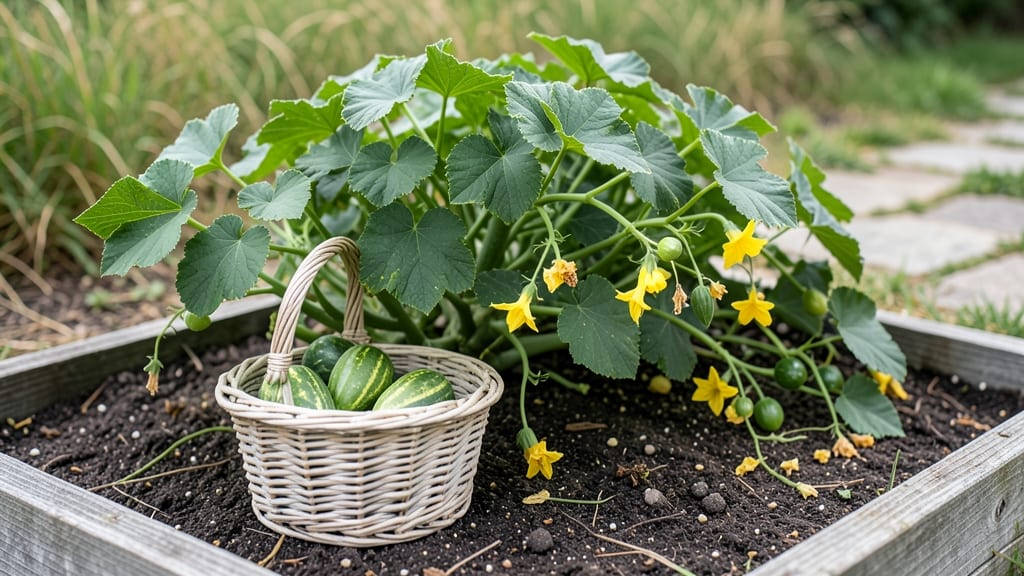
Growing mini watermelon cucumbers on your balcony means sweet, bite-sized harvests without the sprawling vines. 🌱 I learned the hard way that these little powerhouses need the right conditions—compact space, consistent warmth, and just enough room to stretch their vines.
The first time I grew 'Minnesota Midgets,' I thought they'd take over my patio, but with proper training, they stayed neat and productive.
These tiny melons thrive in well-draining soil mixed with compost, and they need at least 6-8 hours of sunlight daily. Plant seeds ½ inch deep, spacing them 12-18 inches apart—close enough to train together but not so crowded they compete for nutrients.
Water deeply 2-3 times a week, keeping the soil moist but never soggy, because soggy roots mean bitter fruit.
What you’ll end up with is a vine that stays under control, producing 3-5 pound melons that taste sweeter than their giant cousins. The flavor is rich and crisp, perfect for snacking straight off the vine.
Prune regularly to encourage bushier growth, and watch for bees—they’re essential for pollination, so avoid heavy pesticides.
Even in small spaces, these cucumbers deliver reliable harvests from late summer through fall. Whether you’re growing in pots or containers, the key is patience—these little melons take 70-80 days to mature, but every bite is worth the wait. Here’s how to make it happen without the mess.
📚 In This Guide
- What you need
- Instructions
- Tips and common mistakes
- Wrapping up and next steps
What you need
- ● Seeds or Seedlings: Mini watermelon cucumber seeds (e.g., ‘Sugar Baby’, ‘Minnesota Midget’, or ‘Tiny Tim’—choose a variety labeled for small spaces or containers).
- ● Quantity: 2–4 seeds per container (or 1 seedling if starting with transplants).
- ● Growing Containers: 5–10 gallon pots (or larger) with drainage holes.
- ● OR a raised bed (at least 12" deep).
- ● Growing Medium: High-quality potting mix (avoid garden soil—it compacts and drains poorly).
- ○ Optional boost: Mix in 20% compost or worm castings for nutrients.
- ● Support Structures: Small trellis, cage, or stakes (4–6 feet tall) to encourage vertical growth and prevent sprawling.
- ● Fertilizer: Balanced liquid fertilizer (10-10-10 or 5-5-5) or organic options like fish emulsion or compost tea.
- ● Timing: Apply at planting and every 2–3 weeks.
- ● Watering Supplies: Watering can with a gentle spray nozzle or a drip irrigation setup.
- ● Mulch: Straw or shredded leaves to retain moisture and suppress weeds.
- ● Pruning Shears: For trimming excess vines or yellowing leaves.
- ● pH Test Kit: To ensure soil pH is between 6.0–6.8 (ideal for cucumbers).
- ● Grow Lights: If starting indoors before the last frost (LED or fluorescent lights work well).
- ● Harvest Basket or Scissors: For gently picking ripe mini cucumbers.
Step-by-step instructions for growing mini watermelon cucumbers on a balcony
Here’s how to turn your small-space balcony into a productive mini watermelon cucumber patch—no sprawling vines required.
🪴 Step 1: Choose the Right Containers and Growing Setup
Select 5-gallon fabric grow bags or large containers (at least 18 inches deep) for each plant—mini watermelon cucumbers need room to develop their compact vines and fruit. I prefer fabric pots because they allow excess water to evaporate through the sides, preventing soggy roots. Add 2-3 drainage holes if using rigid containers, and place a cactus pad over each hole to keep soil in place.
Position containers where they’ll receive 6-8 hours of direct sunlight daily. A south-facing balcony works best, but if you’re limited to east or west exposure, opt for dwarf varieties like ‘Minnesota Midget’ or ‘Sugar Baby’—they tolerate slightly less sun. Avoid shady spots entirely; cucumbers need warmth to set fruit.
🌱 Step 2: Plant Seeds or Transplants at the Right Time
Start seeds 4-6 weeks before your last frost date indoors under grow lights (14-16 hours daily) or wait until after the last frost to direct-sow outdoors. Plant 2-3 seeds per container, burying them ½ inch deep in sterile seed-starting mix. Once seedlings emerge, thin to one strongest plant per container—crowding leads to weak vines and poor fruit production.
If using transplants, choose compact varieties and harden them off for 5-7 days before moving to the balcony. Watch for yellowing leaves or wilting—these are signs of transplant shock. Water deeply at planting to settle the soil around roots, but avoid overwatering, which can drown tender seedlings.
☀️ Step 3: Train Vines and Provide Support Early
Mini watermelon cucumbers still need vertical support to maximize space. Install a small trellis (3-4 feet tall) or cage near each container and gently weave vines through the structure as they grow. Use soft plant ties to secure stems—tightening too much can damage delicate stems. Prune side shoots (suckers) that form below the first flower to encourage upward growth and fruit production.
Here’s the thing—pollination is critical for fruit set. If you’re growing indoors or in a sheltered balcony, hand-pollinate flowers with a small paintbrush by transferring pollen from male to female blooms (female flowers have tiny cucumbers at their base). Do this in the morning when flowers are fresh. Watch for yellowing blossoms—they’re a sign of failed pollination and can be removed to redirect energy.
💧 Step 4: Water and Fertilize for Compact, Productive Growth
Keep soil consistently moist but not soggy—mini cucumbers wilt quickly when thirsty. Water at the base in the morning to reduce evaporation and fungal risks. Use 1 gallon per plant every 2-3 days, adjusting for heat (more water in 80°F+ weather). Avoid wetting leaves to prevent powdery mildew, a common issue with cucumbers.
Feed plants every 2 weeks with a balanced liquid fertilizer (10-10-10) diluted to half strength. Stop fertilizing 4 weeks before harvest to improve flavor. If vines slow down or leaves yellow between veins, they’re nutrient-deficient—switch to a high-nitrogen fertilizer temporarily to boost growth.
✂️ Step 5: Harvest and Prune for Continuous Production
Harvest mini cucumbers when they’re 3-5 inches long—waiting too long makes them seedy and bitter. Use clean pruners to cut stems ½ inch above the fruit to avoid damaging vines. Pick every 2-3 days to encourage more blooms. If fruit stops setting, check for overcrowding (remove older cucumbers) or temperature stress (cucumbers need 70-90°F to thrive).
After harvest, trim yellow or diseased leaves immediately to improve airflow. If vines look exhausted by midseason, give them a final boost with compost tea or a low-dose fish emulsion to revive growth. With proper care, one plant can produce dozens of mini cucumbers over a 6-8 week harvest window—perfect for balcony gardening!
Tips & tricks for growing compact mini watermelon cucumbers
Balcony gardening success comes down to these small but mighty adjustments—trust me, they make all the difference.
Container Depth Matters: Those 5-gallon fabric grow bags or 18-inch-deep containers aren't just suggestions—they're non-negotiable for mini watermelon cucumbers. I've seen shallow pots (under 12 inches) produce stunted plants that struggle to support fruit. The extra depth gives roots room to anchor while still keeping the plant compact. If you're using rigid containers, add those 2-3 drainage holes immediately—root rot is the silent killer of balcony gardens. Pro tip: Elevate containers slightly off the balcony surface to prevent water pooling below.
Sunlight Strategy for Small Spaces: When instructions mention 6-8 hours of direct sunlight, I'm talking full sun—no compromises. If your balcony only gets east or west exposure, you absolutely must choose dwarf varieties like 'Minnesota Midget' or 'Sugar Baby'. These compact types tolerate slightly less sun while still producing. Here's what I do: I rotate containers 90 degrees every few days to ensure even sun exposure all around. This prevents lopsided growth and maximizes fruit production. In hotter climates (above 80°F), provide afternoon shade to prevent leaf scorch.
Pollination Hack for Balcony Growers: The hand-pollination step in Step 3 is where many balcony gardeners fail. Here's what nobody tells you: Use a small paintbrush to transfer pollen from male to female flowers in the morning when humidity is low. Female flowers (the ones with tiny cucumbers at their base) are more receptive then. I've found that using a magnifying glass helps identify these flowers more easily. If you notice yellowing blossoms, they're a clear sign of failed pollination—remove them immediately to redirect the plant's energy to developing fruit.
Watering Wisdom: The 1 gallon per plant every 2-3 days guideline works perfectly in moderate climates, but here's the adjustment you need: In temperatures above 80°F, increase to 1.5 gallons daily. I water at the base using a gentle stream to avoid disturbing the soil. The key is consistency—let the top inch of soil dry between waterings. Overwatering leads to powdery mildew, which is exactly what you don't want on your compact plants. A moisture meter is worth the investment for balcony growers.
Pro Tips for Mini Watermelon Cucumber
- Balcony gardening success comes down to these small but mighty adjustments—trust me, they make all the difference.
- Container Depth Matters: Those 5-gallon fabric grow bags or 18-inch-deep containers aren't just suggestions—they're non-negotiable for mini watermelon cucumbers.
- Sunlight Strategy for Small Spaces: When instructions mention 6-8 hours of direct sunlight, I'm talking full sun—no compromises.
Frequently asked questions
Got questions about growing mini watermelon cucumbers?
You’re not alone—these compact vines are fun but come with a few quirks! Here are answers to the most common queries to help you grow like a pro.
What’s the difference between mini watermelon cucumbers and regular cucumbers?
Mini watermelon cucumbers (like ‘Suyo Long’ or ‘Mini Melons’) are actually cucumbers bred to look like tiny watermelons—round, striped, and sweet! They’re smaller (2–4 inches), sweeter, and crunchier than slicing cucumbers. Plus, their vines stay compact (3–6 feet), making them perfect for containers or small spaces.
How long does it take for mini watermelon cucumbers to grow and produce fruit?
From seed to harvest, expect 60–80 days in warm climates. In cooler areas, start seeds indoors 3–4 weeks before the last frost, then transplant. With consistent warmth (70°F+), you’ll see flowers in 4–6 weeks, followed by fruit in another 2–3 weeks. Pro tip: Use black plastic mulch to speed up soil warming!
Can I grow mini watermelon cucumbers in containers, and what size pot do I need?
These vines thrive in 5-gallon containers or larger (at least 12–18 inches deep). Use a lightweight potting mix with compost, and add a trellis or cage to save space. Just ensure pots have drainage holes and you’re fertilizing every 2–3 weeks. Bonus: Containers warm up faster than garden soil, giving you an earlier harvest.
Why aren’t my mini watermelon cucumbers fruiting—just flowers?
If you see flowers but no fruit, it’s often due to pollination issues or stress. Hand-pollinate with a small brush (transfer pollen from male to female flowers—female flowers have tiny cucumbers at their base). Other culprits: too much nitrogen (focus on phosphorus/potassium), extreme heat (above 90°F), or lack of water. Keep soil moist and mulch to retain humidity.
What’s the best way to harvest and store mini watermelon cucumbers?
Harvest when firm and 2–4 inches wide—they won’t sweeten further once picked! Use pruning shears or twist gently to avoid damaging vines. Store in the fridge for 5–7 days (wrap in a damp paper towel to extend freshness). For longer storage, pickle them! Fun fact: They’re sweeter than regular cucumbers—perfect for snacking or salads.
Are there any alternatives if mini watermelon cucumbers don’t thrive in my climate?
If your growing season is short, try these compact, heat-tolerant cousins:
- ‘Bush Champion’ cucumber – Disease-resistant, 2–3 foot vines.
- ‘Suyo Long’ (mini melon) – Similar to watermelon cucumbers but slightly larger.
- ‘Armenian cucumber’ – Long, snake-like, and thrives in cooler temps.
Wrapping up and next steps
Growing mini watermelon cucumbers on your balcony isn’t just possible—it’s a rewarding way to enjoy fresh, homegrown produce in the smallest of spaces! 🌱 With the right variety, containers, and care, you’ll soon be harvesting sweet, bite-sized treats that taste even better than store-bought.
Whether you’re a seasoned gardener or a beginner, this compact vine is your ticket to a delicious, low-maintenance harvest.
Ready to take the next step? Start by picking your favorite mini watermelon cucumber seeds (like ‘Sugar Baby’ or ‘Minnesota Midget’) and grab your supplies—your balcony garden awaits! 🌿