
Vegetables
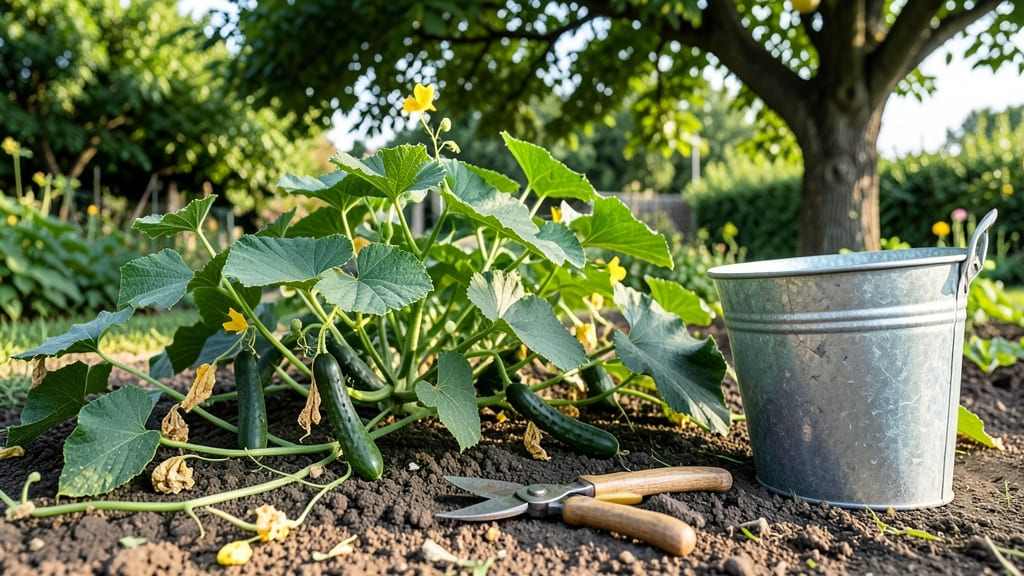
Your cucumbers drying up on the vine before they ripen is a classic sign your plants are struggling—and the good news is, you can often fix it with a few targeted tweaks.
Picture this: you’ve spent weeks nurturing your 🥒 plants, watching them bloom, only to find the fruits shriveling before they even turn green. It’s heartbreaking, but the real frustration comes when you don’t know if it’s too late to save them.
The truth? Most cases are reversible with the right approach.
Whether it’s a watering misstep, heat stress, or even a sneaky pest, the key is diagnosing the issue fast. Below, I’ll walk you through the most common culprits—like underwatering, fungal diseases, or poor pollination—and show you how to turn things around in just 3 steps.
You’ll learn how to revive your vines, prevent future problems, and even boost next year’s harvest. No more wasted effort—just a thriving cucumber patch and a full basket of crisp, homegrown veggies by summer’s end.
Why are your cucumbers drying up on the vine?
When your cucumber plants produce blooms but the fruits start drying up before reaching harvest size, it’s often a sign of underlying stress. This frustrating issue can stem from water imbalances, pollination failures, or even disease pressure.
The good news? Most causes are fixable with targeted adjustments. Let’s break down the most common reasons and how to diagnose them accurately.
First, examine the symptoms closely. Are the cucumbers drying from the blossom end or the stem end? Is the plant wilting or showing signs of powdery mildew?
These clues help pinpoint whether the problem is environmental, biological, or mechanical. Understanding the root cause is the first step to saving your harvest.
One of the most frequent culprits is inconsistent watering. Cucumbers need deep, consistent moisture—especially during hot weather. If the soil dries out too much, the fruits can’t absorb enough water and begin to shrivel. Even overwatering can lead to drying if the roots suffocate from poor drainage.
Another common issue is poor pollination. Cucumbers rely on bees or wind to transfer pollen, and if these pollinators are scarce—especially in greenhouse settings—the flowers may drop or produce malformed fruits. Without proper pollination, the cucumbers may start small but fail to grow, eventually drying up.
Pests and diseases can also sabotage your harvest. Cucumber beetles and aphids feed on the plant, weakening its ability to support fruit development. Meanwhile, fungal diseases like powdery mildew or downy mildew can cause fruits to dry out prematurely by clogging stomata and reducing water uptake.
Environmental factors like extreme heat or low humidity can also stress cucumber plants. When temperatures soar above 90°F (32°C), the plants may struggle to photosynthesize efficiently, leading to stunted or drying fruits. Similarly, high winds can damage delicate vines and disrupt pollination.
To diagnose the problem, check for these key signs:
- Blossom-end rot: Dark, sunken spots on the blossom end (often from calcium deficiency or uneven watering).
- Powdery mildew: White, powdery patches on leaves or stems.
- Wilting leaves: A sign of underwatering or root stress.
- Small, deformed fruits: Indicates pollination failure or pest damage.
| Issue | Symptoms | Likely Cause | Quick Fix |
|---|---|---|---|
| Blossom-end rot | Dark, sunken spots on fruit ends | Calcium deficiency or uneven watering | Apply calcium-rich fertilizer and water consistently |
| Powdery mildew | White, powdery patches on leaves | Fungal infection from high humidity | Spray with neem oil and improve airflow |
| Underwatering | Wilting leaves, dry soil | Insufficient water or heat stress | Water deeply 2-3x weekly and mulch |
| Pollination failure | Small, deformed fruits or dropped blossoms | Lack of bees or wind | Hand-pollinate with a soft brush |
| Pest damage | Holes in leaves or chewed stems | Cucumber beetles or aphids | Use row covers or insecticidal soap |
If your cucumbers are drying up due to water stress, the solution is straightforward: adjust your watering routine. Aim for 1-1.5 inches of water weekly, delivered directly to the soil—not the leaves—to prevent fungal diseases. Use a drip irrigation system or soaker hose for even moisture distribution.
For pollination issues, take matters into your own hands. On a dry morning, use a small paintbrush to transfer pollen from male to female flowers. Female flowers have a tiny cucumber at their base, while male flowers have a long stem.
This method works especially well in greenhouses or areas with few pollinators.
When diseases like powdery mildew are to blame, act fast. Remove severely infected leaves and apply a baking soda spray (1 tbsp baking soda + 1 quart water + a drop of dish soap) or neem oil.
Improve airflow by pruning crowded vines and avoid overhead watering to keep leaves dry.
Finally, consider your growing conditions. If your cucumbers are struggling in extreme heat, provide afternoon shade with a shade cloth or mulch heavily to retain soil moisture. For container-grown plants, ensure pots are large enough (at least 5 gallons) and use well-draining soil
3 Immediate fixes to revive drying cucumbers
When your cucumber plants produce blooms but the fruits start drying up on the vine, it’s often a sign of stress from water fluctuations, poor pollination, or environmental factors.
The good news? Most issues are reversible with quick fixes. Let’s tackle the top three solutions to revive your cucumbers and restore that crisp, juicy harvest you’re craving.
First, check your watering routine. Cucumbers need consistent moisture—especially during hot spells. Underwatering causes fruits to shrivel, while overwatering can lead to root rot. Aim for 1-1.5 inches of water per week, delivered directly to the soil base.
Mulching with straw or shredded leaves helps retain moisture and keeps roots cool.
- Step 1: Adjust Watering – Water deeply 2-3x weekly (early morning). Use a soaker hose to avoid wetting leaves.
- Step 2: Hand-Pollinate Flowers – Gently shake vines or use a soft paintbrush to transfer pollen from male to female flowers (female flowers have tiny cucumbers at their base).
- Step 3: Prune for Airflow – Trim overcrowded vines to improve circulation and reduce humidity (prevents fungal diseases like powdery mildew).
- Step 4: Treat Pests/Diseases – Spray neem oil (1 tbsp per gallon of water) for cucumber beetles or baking soda spray (1 tsp baking soda + 1 quart water) for mildew.
Next, focus on pollination. Cucumbers rely on bees, but sometimes cool weather, pesticides, or lack of bee activity can leave flowers unpollinated. Identify female flowers (they have a tiny cucumber at the base) and give them a helping hand.
On a dry morning, use a soft paintbrush or cotton swab to transfer pollen from male flowers (long stems, no cucumbers) to female flowers.
Don’t overlook pruning and airflow. Dense foliage traps moisture, creating ideal conditions for powdery mildew or bacterial spots, both of which cause fruits to dry up.
Use sterilized pruners to remove yellow or diseased leaves and thin out vines to allow sunlight penetration. This simple step can drastically improve fruit quality and quantity.
Finally, inspect your plants for pests or diseases. Cucumber beetles chew on leaves and spread wilting diseases, while powdery mildew appears as white, powdery patches.
For organic control, spray plants with a neem oil solution (1 tbsp per gallon of water) or a baking soda mix (1 tsp baking soda + 1 quart water + a drop of dish soap). Apply in the early morning to avoid harming beneficial insects.
With these three immediate fixes, your cucumbers should start plumping up again within 7-10 days. Keep an eye on your plants, adjust as needed, and soon you’ll be enjoying a bountiful, crisp harvest straight from your garden! 🥒