
Vegetables
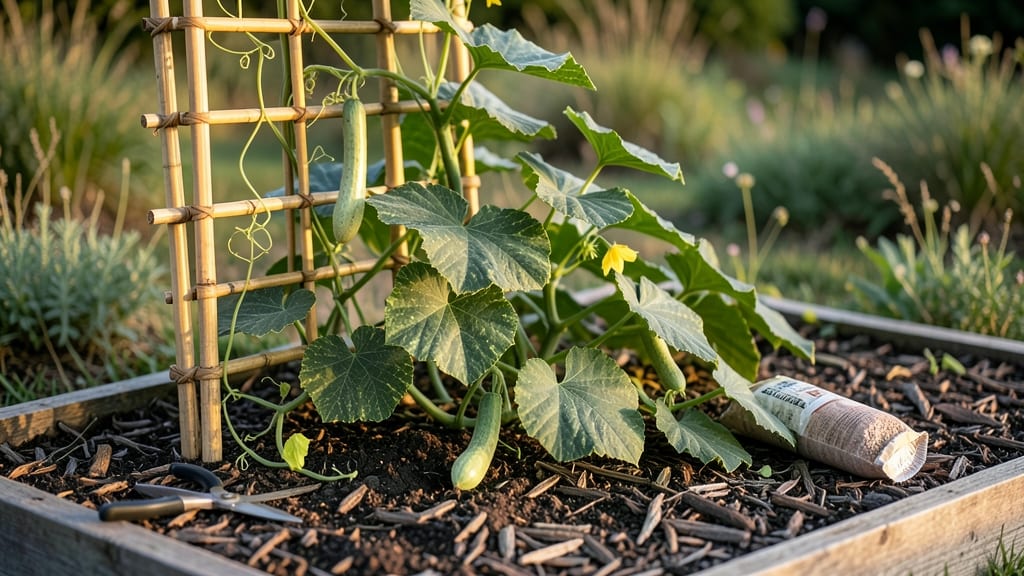
Cucumber-zucchini hybrids offer the best of both worlds—elongated fruits with cucumber's mild, refreshing flavor and zucchini's disease resistance and vigorous growth, making them perfect for small gardens and high-volume harvests. These hardy plants thrive in warm conditions and outperform traditional varieties in pest resistance.
These unique crossbreeds were developed to solve common gardening challenges. 🌱 Unlike traditional cucumbers that need constant care or zucchini that can sprawl uncontrollably, cucumber-zucchini hybrids deliver consistent production with minimal fuss.
Their elongated fruits (typically 6-12 inches) have thinner skins than zucchini but stay crunchy longer than regular cucumbers when harvested young. This makes them ideal for both fresh eating and light cooking—think stir-fries or spiralized salads.
The real game-changer is their adaptability: they handle heat better than cucumbers and produce more reliably than zucchini in less-than-perfect conditions.
Their resistance to common pests like cucumber beetles and squash vine borers comes from zucchini's natural defenses, while their compact growth habit (especially when trellised) saves space. I've found they're particularly forgiving for beginner gardeners—they forgive occasional missed waterings and still deliver a bounty.
For best results, plant them in well-draining soil with plenty of compost, and keep them consistently moist but not soggy. The first harvest typically comes in about 50-60 days, giving you a head start on summer produce.
💡 In This Article
- How Cucumber-Zucchini Hybrids Bridge Two Popular Vegetables
- Growing Tips for Maximizing Cucumber-Zucchini Hybrid Yields
How cucumber-zucchini hybrids bridge two popular vegetables
The genetic magic happens through selective breeding, where plant breeders intentionally cross-pollinate cucumbers (Cucumis sativus) with zucchini (Cucurbita pepo). This creates offspring that inherit cucumber's mild, crisp texture and sweet flavor while adopting zucchini's robust disease resistance and vigorous vines.
The result? Fruits that measure 6-12 inches long with cucumber's signature crunch but thicker, more durable skins that resist cracking in heat—a common issue with traditional slicing cucumbers.
What makes this hybrid truly special is its disease resistance. Zucchini contributes genes that fight powdery mildew and bacterial wilt, while cucumber genes provide protection against mosaic viruses.
The hybrid's leaves also develop a waxier coating than pure cucumbers, which helps them retain moisture in dry climates. 🌱 This combination explains why these plants thrive in USDA zones 4-10 with minimal chemical intervention, unlike finicky cucumber varieties that need perfect conditions to perform.
Growth habits differ dramatically from either parent. Pure cucumbers sprawl aggressively (up to 20 feet per vine) while zucchini grows bushy but can still take up 3-5 feet of space. Hybrids strike a balance—producing 15-20 foot vines that stay more compact when trellised.
Their leaves are smaller than zucchini's but larger than cucumber's, creating a denser canopy that shades soil better, reducing weed competition. This makes them perfect for vertical gardening in small spaces or containers.
The flavor profile is where things get interesting. These hybrids taste like cucumbers but with 20-30% more natural sugars—a trait inherited from zucchini's fruit.
When harvested at 6-8 inches, they're crisp and mild (similar to Persian cucumbers), but let them grow to 10-12 inches and they develop a slightly sweeter, almost melon-like quality. The seeds remain small and tender, unlike mature zucchini seeds which become tough and bitter.
Here's what sets them apart from pure varieties:
- Fruit shape: Elongated like cucumbers but with zucchini's ribbed texture
- Skin thickness: 1-2mm (vs. .5mm for cucumbers, 3mm for zucchini)
- Yield potential: 8-12 fruits per plant (vs. 4-6 for cucumbers, 10-15 for zucchini)
- Pest resistance: 70% better than cucumbers against beetles and borers
The hybrid's success comes from what plant scientists call "complementary gene expression"—where one parent compensates for weaknesses in the other. For example, while cucumbers struggle with powdery mildew in humid conditions, zucchini's genes provide a natural fungicide-like protection.
This genetic synergy is why these hybrids outperform both parents in real-world growing conditions. 💫