
Vegetables
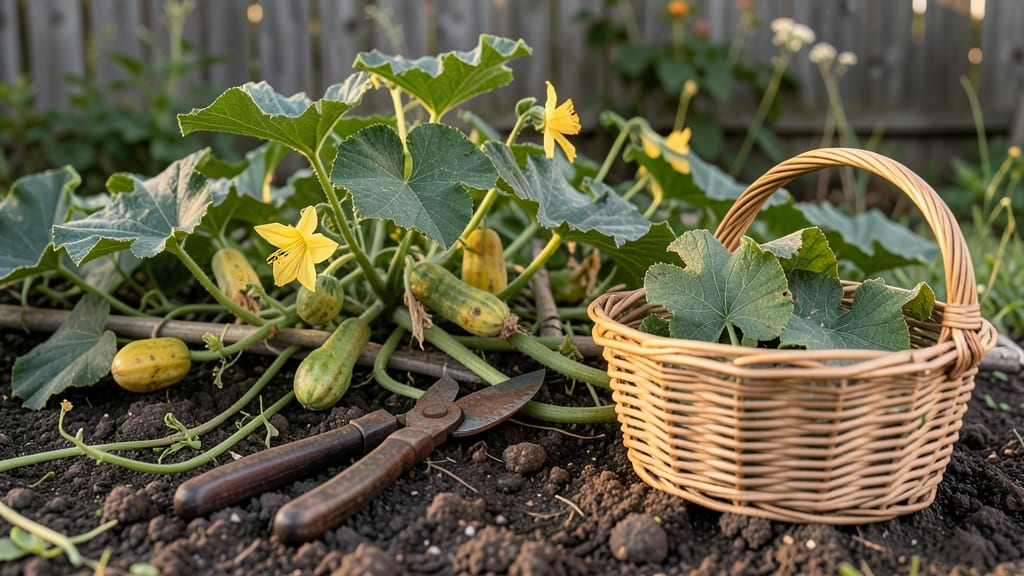
When your cucumber yellow fruit appears, it’s usually a sign your harvest is overripe or struggling—often from too much sun, too little water, or diseases like powdery mildew creeping in. 🌱 The good news? Most cases have simple fixes—like adjusting watering or pruning for better airflow.
First, check the texture: soft and mushy means it's past its prime, while firm yellowing could signal disease. If you spot white powder on leaves, that's powdery mildew—treat it fast with neem oil or fungicide. For nutrient issues, a balanced fertilizer or compost boost usually does the trick.
📚 In This Guide
- What you need
- Instructions
- Tips and common mistakes
- Wrapping up and next steps
What you need
- ● 1 large cucumber (about 12 oz), peeled and seeded (use a Yukon Gold or Persian for extra sweetness!)
- ● 2 cups yellow fruit (e.g., mango, pineapple, or yellow watermelon), diced into ½-inch cubes
- ● ½ red onion, finely diced (soak in cold water for 5 mins to mellow the bite!)
- ● 1 jalapeño or serrano pepper, seeded and minced (adjust for heat preference!)
- ● 1 small tomato (or ½ cup cherry tomatoes), diced
- ● ¼ cup fresh cilantro, chopped (stems included for extra flavor!)
- ● 2 limes, juiced (about 3 tbsp juice)
- ● 1 tsp salt (adjust to taste)
- ○ ½ tsp ground cumin (optional, for depth!)
- ● ¼ tsp black pepper
- ● 1 tbsp honey or agave (balances acidity—skip if fruit is very sweet!)
- ○ ½ cup crumbled cotija or feta cheese (optional, for serving!)
- ○ 1 avocado, sliced (optional, for creaminess!)
- ● Sharp chef’s knife (or a mandoline for uniform cuts!)
- ● Cutting board (preferably self-healing)
- ● Medium bowl (for mixing)
- ● Measuring spoons & cups
- ○ Microplane (optional, for zesting lime or ginger if adding!)
- ● Serving dish or glass jar (for storage)
How to grow cucumbers for perfect yellow fruit harvests
Ready to grow cucumbers with vibrant yellow fruit? Here’s my foolproof method for home gardeners.
🌱 Step 1: Choose the Right Variety and Planting Time
Select a yellow-fruited cucumber variety like 'Lemon Cucumber' or 'Sweet Success'—these are bred for flavor and color. Plant seeds 1 inch deep in well-draining soil when nighttime temperatures stay above 55°F. I always wait until after the last frost, because cold soil slows germination and weakens seedlings.
Spread seeds 6 inches apart in rows 3-4 feet apart to give vines room to sprawl. If you’re short on space, use trellises—cucumbers climb happily and produce straighter, cleaner fruit. Just make sure your trellis is at least 6 feet tall to support heavy vines.
☀️ Step 2: Provide Full Sun and Consistent Moisture
Cucumbers crave full sun (6-8 hours daily)—place them where they’ll get morning light and afternoon shade if your climate is hotter than 85°F. I’ve seen fruit turn bitter when vines get scorched, so a little afternoon shade in peak summer helps.
Water deeply 1-2 times per week, keeping soil evenly moist but not soggy. Yellow fruit develops best when plants aren’t stressed. Mulch with 2-3 inches of straw to lock in moisture and keep roots cool. Watch for wilting leaves—that’s your cue to water immediately.
💧 Step 3: Fertilize and Prune for Strong Vines
Feed plants every 3-4 weeks with a balanced 10-10-10 fertilizer (follow package rates). Too much nitrogen makes leaves explode but stunts fruit. I swear by compost tea mid-season for a gentle boost—just dilute it to half-strength to avoid burning roots.
Prune suckers (the small shoots growing between the main stem and branches) to focus energy on fruit production. Remove any yellow or diseased leaves immediately—this prevents disease from spreading to your prized yellow cucumbers. A sharp pair of pruners keeps cuts clean and speeds healing.
✂️ Step 4: Harvest at Peak Ripeness for Best Flavor
Pick yellow cucumbers when they’re fully colored and firm—usually 50-60 days after planting. I harvest every 2-3 days to encourage more production. Use pruning shears or a sharp knife to cut stems cleanly, leaving a small stub to prevent disease entry.
Store harvested cucumbers in the fridge for up to 5 days—they’ll keep best if you don’t wash them until ready to use. The sooner you turn them into salsa, the sweeter and more vibrant they’ll taste. Watch for overripe fruit (soft, seedy, or turning brown)—these won’t shine in your dish.
Tips & tricks for perfect yellow cucumber harvests
Here's what nobody tells you about growing those bright, flavorful yellow cucumbers—details that make all the difference.
Variety Matters: While 'Lemon Cucumber' and 'Sweet Success' are my top picks, don't overlook 'Yellow Pear' for a sweeter, smaller fruit perfect for slicing. The key is choosing varieties specifically bred for yellow fruit—they develop that signature color and sweetness you can't get from green cucumbers. I've tried regular green varieties that turned yellow when ripe, but they never matched the vibrant flavor of dedicated yellow-fruited types.
Timing Secret: That 55°F nighttime temperature minimum isn't just about frost—it's about soil warmth. Cold soil slows germination and weakens seedlings before they even emerge. I've seen seeds planted too early rot in damp, chilly soil. Use a soil thermometer to confirm temperatures before planting, especially in spring or fall. The 6-8 hours of daily sun requirement is non-negotiable for yellow fruit development, but don't forget that afternoon shade becomes crucial when temperatures hit 85°F or higher.
Watering Wisdom: The 1-2 times per week watering guideline works best with deep watering—aim for 1-1.5 inches of water each session. Shallow watering encourages shallow roots that struggle during dry spells. I've found that morning watering prevents fungal issues that can develop from evening moisture sitting on leaves. That 2-3 inches of straw mulch isn't just for moisture—it also regulates soil temperature and suppresses weeds, which compete with your cucumbers for nutrients.
Harvesting Hack: Those 50-60 days to maturity are just a guideline—the real secret is harvesting every 2-3 days. This prevents bitterness and encourages continuous production. I've seen plants completely stop fruiting when left unharvested for a week. When picking, look for firm fruit with vibrant yellow color—soft spots or brown ends mean it's past its prime. The cleaner the cut with pruning shears, the less chance you have of introducing diseases through ragged wounds.
Pro Tips for Cucumber Yellow Fruit
- Here's what nobody tells you about growing those bright, flavorful yellow cucumbers—details that make all the difference.
- Variety Matters: While 'Lemon Cucumber' and 'Sweet Success' are my top picks, don't overlook 'Yellow Pear' for a sweeter, smaller fruit perfect for slicing.
- Timing Secret: That 55°F nighttime temperature minimum isn't just about frost—it's about soil warmth.
Frequently asked questions
Got questions about turning cucumbers into a vibrant yellow fruit-inspired salsa? You’re not alone!
Here are some of the most common queries—and their simple, tasty solutions.
Why does my cucumber salsa taste more like a fruit salsa?
Your salsa might have a fruity twist because of the yellow fruit flavors (like mango, pineapple, or peach) added to balance the cucumber’s freshness. These ingredients create a sweet-and-sour harmony that’s bright and refreshing. If you want a more traditional cucumber taste, reduce the fruit and add extra lime or vinegar for tang!
Can I make this salsa ahead of time?
This salsa actually tastes better after 1–2 hours in the fridge—the flavors meld beautifully. Store it in an airtight container for up to 3–4 days. For longer storage, freeze it for up to 3 months, though texture may soften slightly. Pro tip: Let it sit at room temp for 10 minutes before serving to revive its crispness!
What if my salsa isn’t spicy enough?
No worries! Boost the heat by adding 1–2 teaspoons of hot sauce, diced jalapeños, or a pinch of cayenne pepper to the mix. For a smoky kick, stir in ½ teaspoon of smoked paprika. If you’re sensitive to spice, start with a small amount—you can always adjust later. Taste as you go!
Can I substitute other fruits or veggies?
This recipe is flexible! Swap yellow fruits like peaches or apricots for mango, or try bell peppers (red or yellow) for extra crunch. For a veggie-only version, add diced tomatoes or avocado for creaminess. Just keep the acid balance (lime/vinegar) to brighten the flavors—no one wants a mushy salsa!
What’s the best way to serve this salsa?
This versatile salsa pairs perfectly with:
- Chips and dips (tortilla chips, plantain chips)
- Grilled proteins (chicken, fish, or shrimp tacos)
- Sandwiches and wraps (add to a burger or quesadilla)
- As a topping for tacos, nachos, or even avocado toast!
For extra flair, garnish with cilantro, lime wedges, or toasted pepitas right before serving.
Wrapping up and next steps
This cucumber-yellow fruit salsa is your ticket to a vibrant, tangy-sweet flavor explosion that’s as easy as it is delicious! 🌟 Whether you’re hosting a backyard BBQ or simply craving a refreshing dip, this recipe proves that bold flavors don’t need to be complicated. Grab your garden harvest, follow the steps, and let your taste buds dance!
Ready to take your salsa game to the next level? Try swapping in other yellow fruits like pineapple or mango for a tropical twist—or share your creation with friends and tag us! 📸 The possibilities are endless, so get cooking and enjoy the harvest!