
Vegetables
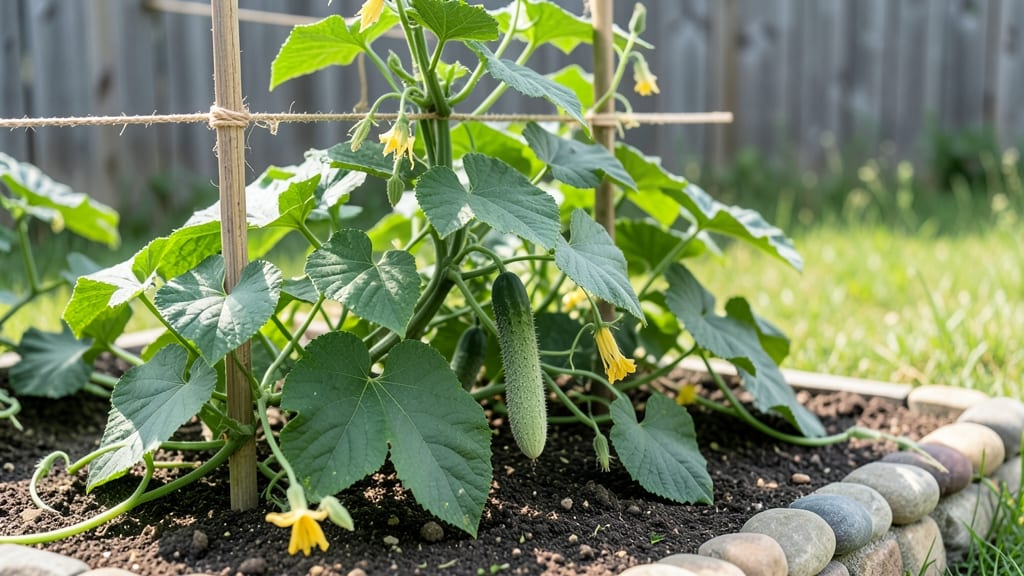
Those sharp cucumber spikes aren't just prickly—they're your plant's built-in pest defense system. 🌱 I've wrestled with spiky cucumbers for years, and I finally figured out why they appear and how to work with them instead of fighting them.
The spikes develop when cucumbers feel stressed—whether from pests chewing leaves, inconsistent watering, or too much heat. Some varieties even grow them naturally as a genetic trait. The good news? They don't ruin the fruit's flavor, just make harvesting a little trickier.
You can reduce spikes by keeping plants well-watered, providing shade during peak afternoon sun, and using row covers to deter pests. For existing plants, simply wear gloves when harvesting and focus on the thick-skinned varieties that handle the spikes best.
These same techniques also boost fruit production and reduce disease risk, so you're not just solving one problem—you're creating a tougher, more resilient cucumber plant overall.
The Science Behind Spiky Cucumbers
Those prickly protrusions on some cucumbers aren’t just a quirky oddity—they’re nature’s built-in defense system. Whether you’re growing them in your backyard or spotting them at the farmers' market, understanding why these cucumbers develop spikes can help you grow better crops, avoid common mistakes, and even troubleshoot issues.
Let’s break down the key reasons behind this unique trait.
Spiky cucumbers are often the result of selective breeding for pest resistance. Over generations, farmers and plant breeders have favored varieties with harder, thicker skins and spiny textures to protect against:
- Insects like cucumber beetles—their sharp spines make it difficult for pests to chew through the skin.
- Rats and squirrels—animals are less likely to gnaw on a spiky cucumber compared to smooth-skinned varieties.
- Fungal diseases—the rough surface can deter spores from landing and taking hold.
If you’re growing from seed, check the variety description. Names like ‘Armenian,’ ‘Spiny,’ or ‘Snake’ cucumbers often indicate a genetic tendency toward spikiness. Pro tip: If you want fewer spikes, look for ‘smooth’ or ‘skinless’ hybrids, but be prepared for lower pest resistance.
Sometimes, spikes aren’t just genetic—they’re a stress response. Cucumbers under heat stress or water fluctuations may produce more pronounced spines as a survival mechanism. Here’s how it happens:
| Cause | Effect on Cucumber | How to Fix It |
|---|---|---|
| ✅ High Temperatures (above 90°F/32°C) | Plants conserve water by thickening skin and developing more spines. | Provide shade cloth and deep watering at the root. |
| ✅ Inconsistent Watering (drought followed by sudden rain) | Skin toughens as a protective layer against dehydration. | Use drip irrigation for steady moisture and mulch to retain soil humidity. |
| ✅ Poor Soil Drainage (waterlogged roots) | Excess moisture triggers defensive growth, including spines. | Amend soil with compost and ensure raised beds or containers for better drainage. |
Key takeaway: If your cucumbers are suddenly spikier than usual, check your watering routine and microclimate. A little extra care can keep them pest-resistant without sacrificing tenderness.
When cucumber plants face heavy pest attacks, they ramp up their natural defenses—including spine production. Here’s how pests trigger this response:
- Cucumber beetles (the #1 enemy of cucumber plants) feed on leaves and stems, signaling the plant to harden its skin as a last-ditch effort.
- Aphids or spider mites sucking sap can cause localized thickening and spikiness in affected areas.
- Bird or rodent nibbling may lead to patchy spikiness where damage occurs.
Actionable fix: Monitor your plants for early signs of pests (e.g., yellowing leaves, holes in foliage) and use neem oil or row covers to prevent infestations. 💡 Pro tip: Interplanting with basil or marigolds can naturally repel pests before they cause damage.
Not all cucumbers start spiky—their texture often evolves as they mature. Younger cucumbers may have smooth or slightly bumpy skin, while older ones develop sharp, woody spines. This happens because:
- Cellulose and lignin (natural plant fibers) increase in the skin as the cucumber ages, making it tougher.
- Hormonal shifts during the fruiting stage trigger defensive structures like spines.
- Sun exposure accelerates this process—cucumbers on the sunniest side of the vine tend to get spikier faster.
What to do: If you prefer smoother cucumbers, harvest them younger (6–8 inches long). For spiky varieties, let them grow to full size but prune shaded leaves to ensure even sun exposure.
Fixing Spiky Cucumbers Naturally
If your cucumbers are sprouting unexpected spikes instead of smooth, tender skin, don’t panic—this is often a fixable issue with the right approach. Below, we’ll break down the most common causes and provide practical, step-by-step solutions to restore your harvest to its ideal state.
We’ll also include prevention tips to keep future cucumbers smooth and delicious.
Problem: When cucumber vines grow too close together, they compete for nutrients and sunlight, leading to stress that can trigger abnormal growth—including spikes.
How to Fix It: 🔥 Step 1: Inspect Your Plants 🌿
- Walk through your garden and identify overcrowded areas. Look for vines touching each other or growing in dense clusters.
🍳 Step 2: Thin Out the Vines 🌱
- Gently remove excess vines, leaving only the healthiest 2–3 per plant. Use pruning shears or your hands to avoid damaging the main stem.
- Focus on removing smaller, weaker vines first.
👨🍳 Step 3: Space Remaining Vines Properly 📏
- Ensure vines are spaced 12–18 inches apart to allow airflow and sunlight penetration.
- If growing vertically (e.g., on trellises), space vines 6–8 inches apart along the support.
🥘 Step 4: Mulch to Reduce Competition 🌾
- Apply 2–3 inches of organic mulch (straw, grass clippings, or shredded leaves) around the base of plants to suppress weeds and retain moisture.
Prevention Tip: 💡 Plant cucumbers in rows or blocks (not scattered) and use trellises or cages to encourage vertical growth and reduce overcrowding.
Problem: Spikes can form when cucumber plants are deficient in calcium, magnesium, or nitrogen or overloaded with phosphorus. Poor soil health stresses the plant, leading to abnormal skin development.
How to Fix It: 🔥 Step 1: Test Your Soil 🧪
- Conduct a DIY soil test (kits are affordable and available at garden centers) or send a sample to a local extension office for analysis.
- Look for deficiencies in calcium, magnesium, or nitrogen.
🍳 Step 2: Amend the Soil 🌍 - For calcium deficiency: Mix crushed eggshells, lime, or bone meal into the soil around the base of the plant.
Avoid overdoing it—too much lime can raise soil pH excessively. - For magnesium deficiency: Sprinkle Epsom salt (magnesium sulfate) around the base (1 tablespoon per plant) and water thoroughly. - For nitrogen deficiency: Add compost, well-rotted manure, or a balanced organic fertilizer (like 10-10-10) to boost greenery.
👨🍳 Step 3: Use Foliar Sprays for Quick Relief 💦
- Mix 1 tablespoon of calcium nitrate in a gallon of water and spray the leaves once a week for 2–3 weeks.
- For magnesium, dissolve 1 tablespoon of Epsom salt in a gallon of water and spray similarly.
🥘 Step 4: Avoid Over-Fertilizing with Phosphorus 🚫
- Too much phosphorus (common in synthetic fertilizers) can cause spiky, tough skin. Stick to balanced or nitrogen-rich fertilizers instead.
Prevention Tip: 💡 Rotate crops every 2–3 years to prevent nutrient depletion. Plant cucumbers after legumes (like beans or peas), which naturally enrich the soil with nitrogen.
Problem: Extreme heat, cold snaps, or sudden temperature fluctuations can cause cucumber plants to develop thick, spiky skin as a protective response.
How to Fix It: 🔥 Step 1: Monitor Temperature Swings 🌡️
- Cucumbers thrive in 70–85°F (21–29°C). If temperatures drop below 50°F (10°C) or rise above 90°F (32°C), take action.
🍳 Step 2: Provide Shade for Hot Days ☀️
- Use shade cloth (30–50% coverage) to protect plants from scorching sun, especially in peak afternoon hours.
- Alternatively, row covers can offer temporary relief.
👨🍳 Step 3: Water Deeply and Consistently 💦
- Drought stress triggers thick skin. Water 1–2 inches per week, aiming for the soil (not the leaves) to encourage deep root growth.
- Use drip irrigation or soaker hoses to keep moisture levels stable.
🥘 Step 4: Mulch to Regulate Soil Temperature 🌾
- Apply straw or black plastic mulch to keep roots cool in summer and insulated in cooler weather.
Prevention Tip: 💡 Choose heat-tolerant varieties like ‘Straight Eight’ or ‘Lemon Cucumber’ if you live in a hot climate. Start seeds indoors and transplant after the last frost to avoid early-season cold stress.
Problem: Cucumber beetles, aphids, or fungal diseases (like powdery mildew) can weaken plants, leading to abnormal skin development, including spikes.
How to Fix It: 🔥 Step 1: Identify the Culprit 🔍
- Cucumber beetles: Look for chewed leaves and yellowing vines.
- Aphids: Check for sticky residue (honeydew) and curled leaves.
- Powdery mildew: White, powdery patches on leaves.
🍳 Step 2: Remove Pests Manually or Naturally 🐞 - Handpick beetles early in the morning when they’re sluggish.
Drop them into soapy water. - Spray with neem oil (1 tsp per quart of water) to deter aphids and beetles. - Introduce beneficial insects like ladybugs or lacewings to control pests naturally.
👨🍳 Step 3: Treat Fungal Issues 🍄
- Prune infected leaves and dispose of them in the trash (not compost).
- Spray with baking soda solution (1 tsp baking soda + 1 quart water + a few drops of dish soap) weekly for powdery mildew.
- Improve airflow by pruning and spacing plants properly.
🥘 Step 4: Strengthen Plant Immunity 🛡️
- Compost tea or fish emulsion can boost plant health and resistance.
- Avoid overhead watering to prevent fungal spores from spreading.
Prevention Tip: 💡 Use row covers early in the season to block beetles. Rotate crops to prevent soil-borne diseases from recurring.
Problem: Some cucumber varieties are naturally thicker-skinned or spiky, especially heirloom or wild types. If you’ve tried everything and still get spiky cucumbers, it might be time to switch varieties.
How to Fix It: 🔥 Step 1: Research Smooth-Skinned Varieties 📚
- Opt for slicing cucumbers like ‘Marketmore,’ ‘Straight Eight,’ or ‘Diva’—these are bred for smooth, tender skin.
- Avoid wild or bitter varieties (like some Asian cucumbers) if you prefer classic, mild cucumbers.
🍳 Step 2: Start with Healthy Seeds or Transplants 🌱
- Purchase certified organic seeds from reputable suppliers to avoid inherited issues.
- If buying transplants, inspect plants for early signs of stress or pests.
👨🍳 Step 3: Grow in Ideal Conditions 🏡
- Even the best varieties need proper care. Ensure they get:
- Full sun (6–8 hours/day)
- Well-draining, fertile soil
- Consistent moisture
Prevention Tip: 💡 Save seeds from your best cucumbers
Frequently asked questions
Why do my cucumbers have spikes when others don't?
Spikes develop due to genetics (like Armenian or Snake cucumbers) or stress from pests, heat, or inconsistent watering. The plant's natural defense mechanism hardens the skin when it feels threatened. Check your growing conditions first—proper care can reduce spikes in most varieties.
Are spiky cucumbers safe to eat?
The spikes are just thickened skin and won't harm you. For a smoother texture, harvest cucumbers younger (6-8 inches) or peel them before eating. Some varieties (like pickling cucumbers) are bred to be spikier for preservation purposes.
How can I prevent spikes in my cucumber plants?
Start with smooth-skinned varieties like Marketmore, maintain consistent moisture, and provide shade during heatwaves. Use row covers early to block pests and amend soil with compost to prevent nutrient deficiencies that trigger defensive growth.
Will pruning help reduce spikes?
Pruning helps indirectly by improving airflow and reducing stress, but it won't eliminate genetic spikes. Focus on removing overcrowded vines and yellowing leaves to keep plants healthy. For existing spikes, harvest early or use them for pickling where texture isn't critical.
Can I grow spiky cucumbers in containers?
Yes! Choose compact varieties like 'Bush Champion' and ensure your container has at least 5-gallon capacity per plant. Use well-draining soil and water consistently—container plants dry out faster and may develop more spikes from stress. Trellis vertically to maximize space.