
Plants
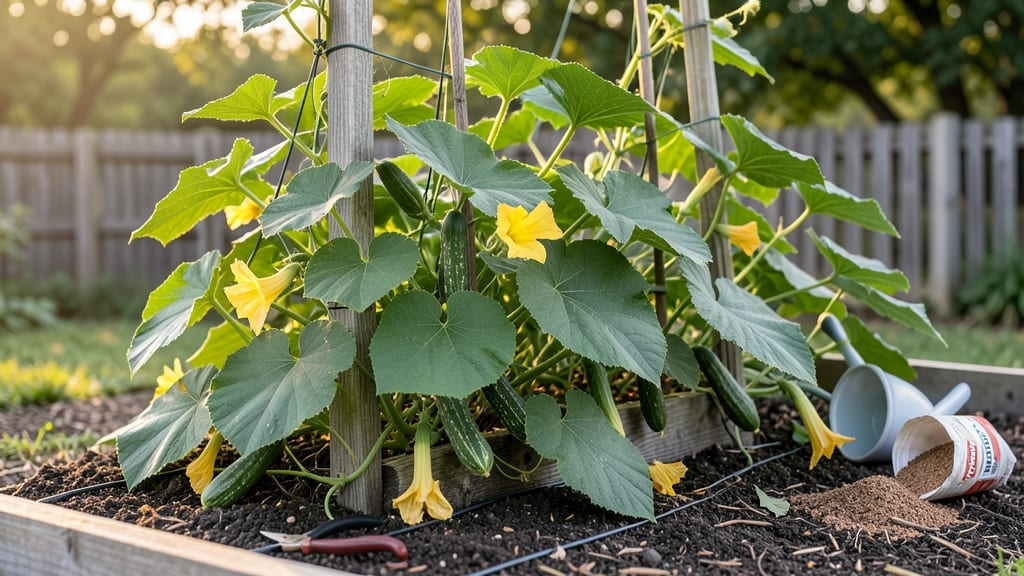
Growing veg that looks like cucumber opens up a world of snake-like herbs and tropical treats beyond your grocery store. 🌿 I've cultivated everything from spiky kiwano melons to mild wax gourds, and they all share that signature elongated shape—but their flavors and growing needs couldn't be more different.
The key is matching each plant's unique soil, sunlight, and water preferences to get that perfect vine growth. My snake herb garden thrives in well-draining soil with morning sun, though some varieties tolerate partial shade.
Chayote climbs like a cucumber but produces edible tubers, while horned melons need richer soil to handle their spiky, jelly-filled fruits. The trick is spacing them properly—too close, and they'll compete for nutrients; too far, and you waste garden real estate.
You'll harvest everything from crisp cucumber-like pods to sweet, jelly-filled melons that burst with flavor. The wax gourds store like winter squash, while chayote can be eaten raw or cooked. Each plant rewards patience with unexpected textures and flavors that surprise even experienced gardeners.
Works for both warm climates and containers in cooler zones. Let's dive into which snake-like veggies suit your space best!
Root Causes of Cucumber-Like Growth
When your snake herb (or Talinum paniculatum) starts resembling a cucumber, it’s usually a sign that something’s off in its care routine. Understanding these triggers helps you correct the issue before it worsens. Below are the most common reasons—and how to spot them early.
Snake herbs thrive in well-draining soil with moderate moisture. When they sit in soggy conditions, their stems can swell unnaturally, mimicking a cucumber’s shape. Here’s why it happens:
- Root suffocation: Compacted or waterlogged soil cuts off oxygen, forcing the plant to store excess moisture in its stems.
- Fungal pressure: Excess humidity encourages fungal growth, causing stem thickening as a defensive response.
- Nutrient leaching: Overwatering flushes out essential minerals, leading to abnormal growth patterns.
How to fix it:
- Test your soil: Stick a finger 1–2 inches deep—if it’s damp after 48 hours, reduce watering.
- Amend soil: Mix in perlite or sand (20%) to improve drainage.
- Repot if needed: Ensure pots have drainage holes and use a cactus/succulent blend.
A high-nitrogen diet (common in fertilizers labeled "growth boosters") triggers rapid, soft stem development—think cucumber-like puffiness. Here’s the science:
- Cell elongation: Nitrogen fuels protein synthesis, causing stems to stretch and thicken abnormally.
- Weak cell walls: Excess nitrogen reduces structural compounds (like lignin), making stems prone to swelling.
- Water retention: Soft stems hold more moisture, exacerbating the cucumber effect.
How to fix it:
- Switch fertilizers: Use a balanced 5-5-5 or low-nitrogen (2-7-7) formula for flowering plants.
- Flush the soil: Water heavily for 10 minutes to leach excess salts.
- Prune affected stems: Trim swollen growths to redirect energy to healthier parts.
Snake herbs are tropical plants—they hate extremes. When exposed to:
- Sudden heatwaves (above 90°F/32°C), stems swell to retain moisture.
- Cold snaps (below 50°F/10°C), growth slows, but stems may thicken as a survival tactic.
- Low light, stems stretch (etiolation) and weaken, leading to watery, cucumber-like segments.
How to fix it:
- Move indoors if temps drop below 55°F (13°C) or exceed 95°F (35°C).
- Use shade cloth (30–50%) in peak sun to prevent heat stress.
- Supplement grow lights if natural light is insufficient (12–14 hours/day).
Pests like aphids, mealybugs, or spider mites inject toxins that disrupt normal growth. Their saliva triggers:
- Gall-like swellings (localized cucumber-shaped bumps).
- Stunted, malformed stems due to nutrient theft.
- Sticky residue (honeydew), which attracts mold and further stresses the plant.
How to fix it:
- Inspect leaves/stems with a magnifying glass for tiny pests or webbing.
- Spray neem oil (1 tsp per liter of water) weekly to deter infestations.
- Introduce beneficial insects (ladybugs or lacewings) for organic control.
Some snake herb varieties (like Talinum paniculatum ‘Purple Majesty’) naturally develop thicker, segmented stems, especially as they mature. While not true cucumber-like growth, the resemblance can be confusing.
Key clues: - Uniform swelling along the entire stem (not just patches). - No other symptoms (yellowing, wilting, or pests). - Family history: If your plant inherited traits from a parent with thick stems.
How to manage it:
- Accept the trait: If the plant is otherwise healthy, enjoy its unique look!
- Prune selectively to encourage bushier, less elongated growth.
- Choose a different variety (e.g., Talinum paniculatum ‘Pink Beauty’) for slimmer stems if aesthetics matter.
Pathogens like bacterial soft rot or powdery mildew can cause:
- Watery, translucent swellings (stem tissue breaks down).
- Dark lesions at the base of swollen areas.
- Mushy texture when pressed (a red flag for rot).
How to fix it:
- Remove infected stems immediately with sterilized pruners.
- Apply copper fungicide (for bacterial issues) or baking soda spray (1 tsp per liter of water + a drop of soap).
- Improve airflow by spacing plants 6–12 inches apart.
Fixing Your Snake Herb’s Cucumber-Like Look
If your snake herb (Cordyline fruticosa) is growing long, slender leaves that resemble cucumbers, don’t panic—this is fixable! The good news is that with the right adjustments, you can encourage fuller, bushier growth and prevent those awkward, elongated stems.
Below, we’ve broken down the most common causes and practical, step-by-step solutions to bring your snake herb back to its vibrant, compact best.
Cause: Too much water (or soggy soil) weakens roots, forcing the plant to stretch for stability and light. Solution:
- 🔥 Step 1: Check the Soil – Stick your finger 2 inches deep into the soil. If it’s damp, hold off on watering. Snake herbs prefer slightly dry conditions between waterings.
- 🍳 Step 2: Improve Drainage – If your pot lacks drainage holes, repot immediately into a container with holes. Add a layer of perlite or coarse sand at the bottom to prevent waterlogging.
- 👨🍳 Step 3: Adjust Watering – Water only when the top inch of soil is dry. In summer, this might be every 5–7 days; in winter, every 2–3 weeks.
- ⏰ Step 4: Let It Dry Out – If overwatering is severe, skip watering for 1–2 weeks to let roots recover. Yellowing leaves? Trim them to redirect energy.
💡 Pro Tip: Snake herbs are drought-tolerant—underwatering is better than overwatering! If in doubt, water less.
Cause: Low light makes snake herbs leggy as they reach for sunlight, resulting in thin, cucumber-like stems. Solution:
- 🔥 Step 1: Move to Brighter Light – Place your plant near a south- or west-facing window (or under grow lights if indoors). Aim for 4–6 hours of indirect sunlight daily.
- 🍳 Step 2: Rotate the Pot – Turn the plant quarter-turn every few days so all sides get even light, preventing uneven growth.
- 👨🍳 Step 3: Prune the Leggy Stems – Use clean, sharp scissors to cut back 1/3 of the tallest stems. This encourages new, bushier growth from the base.
- 🔪 Step 4: Propagate Cuttings – Don’t toss those pruned stems! Dip them in rooting hormone, plant in moist soil, and they’ll grow into new snake herb plants in 4–6 weeks.
🌡️ Quick Fix: If moving isn’t an option, supplement with a grow light (LED or fluorescent) for 12–14 hours/day.
Cause: Too much (or too little) fertilizer can cause weak, stretched growth. Snake herbs need moderate nutrients but hate excess. Solution:
- 🔥 Step 1: Flush the Soil – If you’ve been over-fertilizing, water thoroughly to leach out excess salts. Repeat 2–3 times over a week.
- 🍳 Step 2: Use the Right Fertilizer – Switch to a balanced, water-soluble fertilizer (like 10-10-10) once every 6–8 weeks in spring/summer. Dilute to half-strength to avoid burning roots.
- 👨🍳 Step 3: Feed in Stages – Instead of one big dose, fertilize lightly every 2 weeks during growing season (spring–fall). Skip fertilizer in winter.
- 🎯 Step 4: Boost with Organic Matter – Mix compost or worm castings into the topsoil to improve nutrient retention naturally.
✨ Bonus: Snake herbs love banana peel tea (rich in potassium)! Chop a peel, steep in water for a week, then use as a weekly foliar spray.
Cause: A pot that’s too small forces roots to compete, leading to stunted, stretched growth. Solution:
- 🔥 Step 1: Check Root Health – Gently remove the plant and inspect roots. If they’re circling tightly or poking out of drainage holes, it’s time to repot.
- 🍳 Step 2: Upgrade the Pot – Choose a container 2–3 inches wider than the current one. Terracotta pots help prevent overwatering.
- 👨🍳 Step 3: Refresh the Soil – Use a well-draining mix (50% potting soil + 30% perlite + 20% orchid bark). Avoid heavy garden soil.
- 🌱 Step 4: Prune Roots if Needed – If roots are rotting or mushy, trim the damaged parts with sterilized scissors before repotting.
💡 Pro Tip: Snake herbs hate being root-bound long-term—repot every 2–3 years to prevent stress.
Want to keep your snake herb lush and compact?
Follow these easy maintenance habits: - 📊 Water wisely: Let soil dry completely between waterings (test with your finger!). - ☀️ Light is key: Bright, indirect light is non-negotiable—no dark corners! - 💪 Fertilize lightly: Less is more—stick to a balanced fertilizer 2–3 times a year. - ✂️ Prune regularly: Trim leggy stems in early spring to encourage bushiness. - 🪴 Repot when needed: Root-bound = unhappy plant—upgrade pots every few years.
With these fixes, your snake herb should bounce back within 4–8 weeks, trading those cucumber-like stems for vibrant, healthy foliage. Happy gardening! 🌿✨
Frequently asked questions
What other veggies look like cucumbers but aren't?
Beyond snake herbs, try zucchini (young pods resemble cucumbers), horned melons (kiwano) (spiky, jelly-filled fruits with cucumber-like texture), or chayote (pear-shaped but with cucumber-like skin). Even wax gourds start elongated before maturing into round shapes.
Can I grow cucumber-like veggies in containers?
Snake herbs, chayote, and even small cucumber varieties thrive in 5-gallon pots with proper drainage. Use lightweight potting mix and place containers in full sun. For vining types like cucumbers, add a trellis to save space and improve airflow.
How do I tell snake herbs apart from cucumbers?
Snake herbs have thick, segmented stems (like a snake's body) while cucumbers are smooth and cylindrical. Check the leaves too—snake herbs have succulent, paddle-shaped leaves vs. cucumbers' broad, lobed foliage. Also, snake herbs produce tiny white flowers while cucumbers have yellow blooms.
Are cucumber-like veggies edible?
Most are! Snake herb stems are crunchy and slightly tangy (great in salads), while chayote is mild and nutty** when cooked. Always research before eating new plants—some ornamental varieties may be toxic. When in doubt, cook first to test edibility.
What's the fastest-growing cucumber-like plant?
If you want quick results, zucchini grows fastest—harvestable in just 45-55 days! For snake herbs, expect 6-8 weeks for noticeable growth, while chayote takes 3-4 months to produce edible tubers. All need warm soil to sprout quickly.